Ventilación y aislamiento térmico, ¿por qué es tan importante?

superadmin
June 28, 2019
En los últimos tiempos, la construcción ha vivido una revolución en pos de la eficiencia energética. Y en el camino por un consumo mucho más racional, es imprescindible encontrar la manera de reducir el gasto en suministros. Para ello, la estanqueidad de los edificios es primordial, ya que en buena medida de ello depende la necesidad de climatización. Si bien, la renovación del aire es fundamental frente a esta nueva realidad. Ventilación y aislamiento térmico son dos conceptos que van unidos, dos fenómenos necesarios en la edificación actual.
Para lograr un buen confort térmico, es imprescindible contar con el suficiente aislamiento térmico. En el pasado, los edificios no contaban con prácticamente ningún elemento de estanqueidad, haciendo que el frío fuera muy notorio en invierno y en verano necesario abandonar los lugares cerrados en las horas de sol. No se instalaban mecanismos para paliar la entrada de las inclemencias ni en ventanas o puertas, como tampoco en las paredes o techos. Si además se trataba de una vivienda en un ático, el confort climático podía ser mínimo o nulo.
Más recientemente, lo habitual fue instalar sistemas de aire acondicionado o de calefacción en las nuevas viviendas, para lograr de esa forma el suficiente confort en la climatización. No obstante, los sistemas tradicionales de calefacción y de aire acondicionado son muy costosos, y calentar o refrigerar estancias podía resultar muy caro y además negativo para la contaminación.
Igualmente, con el aumento de los costes energéticos, cualquier hogar que no esté preparado para frenar las inclemencias del exterior puede llegar a ser considerado de pobreza energética. Dicho fenómeno se entiende que ocurre cuando el gasto en suministros iguala o supera el 10% de los ingresos de la unidad familiar. Algo que puede llegar a ocurrir incluso en familias que no estén en situación de desprotección.
La solución para ello es el aislamiento térmico. Mediante cámaras de aire, sellados en las ventanas y puertas, techos reforzados y otros mecanismos, es posible lograr hogares que puedan frenar el avance del frío y del calor en interiores. E incluso que no sea necesario usar sistemas de climatización en casa con las ventanas cerradas. Lo más habitual en sistemas de estanqueidad es lo siguiente:
- Las puertas y ventanas han de estar totalmente selladas. En las ventanas, el material PVC se ha demostrado que es mucho más resistente.
- Si una puerta da al exterior, es imprescindible que cuente con un sellado que permita que sea totalmente estanca para garantizar el confort en interiores.
- Las ventanas pueden ser de doble cristal, para con ello crear una cámara de aire que evite el paso del frío y del calor exterior.
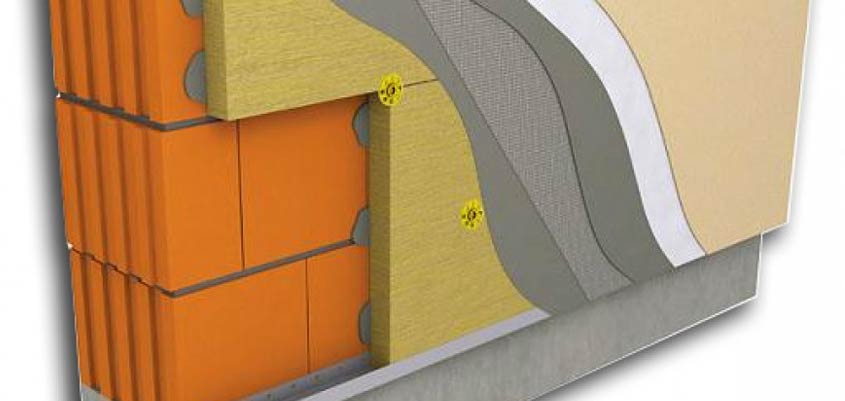
- Las paredes pueden ser selladas con poliestireno o láminas de aluminio chapado.
- El techo puede ser recubierto con rollos de fibra mineral o de vidrio, que son las mejores soluciones de aislamiento térmico.
En las viviendas de escaso aislamiento térmico, el aire se filtraba sin problemas por puertas, ventanas, paredes y techos. Por lo que se garantizaba la respiración aún incluso con las puertas cerradas. No ocurre así en los edificios de aislamiento térmico.
Es en este punto donde entra el binomio de ventilación y aislamiento térmico, ya que para la introducción de aire desde el exterior y la necesaria extracción necesitamos sistemas de ventilacion mecánicos.
Cómo aplicar ventilación y aislamiento térmico en un edificio
A la hora de instalar un sistema de ventilación mecánico en un edificio, podemos encontrar tres grandes opciones:- Sistema de ventilación híbrido. La entrada de aire se realiza de manera natural -normalmente a través de rejillas de ventilación-, mientras que la extracción puede ser de manera también natural, pero ha de contar con una opción mecánica en caso de ser necesario, por ejemplo para el impulso de aire del exterior. Este sistema es el mínimo recomendado por el Código Técnico de la Edificación.
- Sistema de ventilación de simple flujo. En este caso, la extracción suele ser mecánica para eliminar el aire viciado de mala calidad o para eliminar humos y humedades. La entrada de aire se realiza mediante rejillas de ventilación comunicadas con el exterior.
- Sistema de ventilación de doble flujo. Tanto la admisión de aire como la extracción se realizan de manera mecánica y automática, a través de conductos de ventilación.

Siber Ventilación
Entradas relacionadas

¿Por qué es necesaria la ventilación mecánica en las viviendas?