Remodelación energética: cómo mejorar la eficiencia del hogar
Con la entrada del año nuevo, ya se puede dar por estrenada la cuenta atrás definitiva para la implementación de la obligatoriedad en toda obra nueva para aplicar las directrices de la Edificación de Consumo Casi Nulo. A partir de 2020, toda nueva construcción tendrá que cumplir con estas normas. Pero, ¿qué hay del viejo parque de edificios? En el mismo camino, las normas de la remodelación energética vienen a dar salida a la misma problemática en el viejo parque de viviendas español.
En nuestro país, alrededor del 60% de los inmuebles fueron construidos antes de la década de los 80. Y, desgraciadamente, cuentan con unos aislamientos deficientes y unos materiales que primaron el ahorro en materiales en lugar de la calidad. Lo que se traduce en una peor calidad de vida para sus habitantes además de un gasto desorbitado en suministros. Todo ello en un país donde una cuarta parte del total de energía se gasta en interiores y en cuyas ciudades el mayor consumo energético es el de los edificios.
Por ello, la remodelación eficiente -con énfasis en mejorar el aislamiento y la ventilación para evitar el consumo de energía- no es solo una opción. Sino que es una necesidad.
Y es una necesidad porque las directrices europeas fuerza a que en 2020 se baje el nivel de emisiones de CO2. El nivel ideal sería una reducción del 20%, y para ello los edificios antiguos tienen una importancia capital.
Si queremos hacer una vivienda más energéticamente eficiente, el principal elemento a reformar es la climatización, ya que el 50% del consumo de una vivienda anualmente se origina en el gasto en suministros para encontrar un confort térmico. Sustituir viejos equipos de calefacción o aire acondicionado y apostar por una mejor estanqueidad y el uso de ventilación mecánica puede suponer una mejora para los que habiten la vivienda y también para las ciudades. Además de mejorar la sostenibilidad.
Sin embargo, poner en marcha un plan de remodelación energética puede parecer complejo y costoso. La realidad es que el gasto de la inversión inicial se recupera en un periodo de tiempo razonable gracias al gran ahorro en consumo de energía. ¿Cómo lo llevamos a cabo?
Elaborar un plan de remodelación energética en viviendas
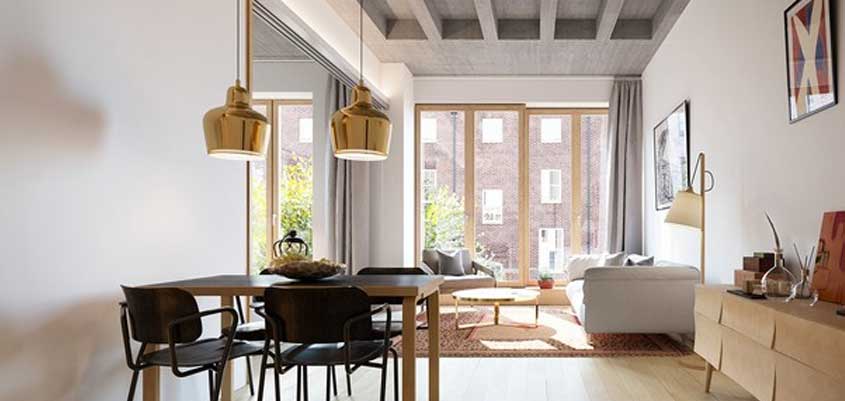
El plan a elaborar de remodelación energética en una vivienda dependerá siempre del tipo de inmueble que se trate. No hay una solución estandarizada, sino que ha de realizarse de manera personalizada, si bien hay una serie de claves que se suelen repetir en todos los casos, como la necesidad de sistemas de ventilación mecánicos y de una mayor estanqueidad.
Las diferentes variables que deberán tenerse en cuenta en un plan de reforma para mejorar la eficiencia energética suelen ser:
- La idiosincrasia geográfica del lugar. En España tenemos una gran variedad climatológica y las soluciones a aplicar varían en función del terreno. Sin embargo, es posible adaptarse a ello, como el caso de la primera casa pasiva que cumple con el sello Passivhaus en un clima de calor extremo
- El tipo de construcción. Por ejemplo, los pisos construidos antes de los 80 suelen tener materiales de baja calidad y no se tenía en cuenta ningún tipo de aislamiento térmico. El caso más complejo es el de los áticos en bloques de viviendas, que no contaban con aislamiento alguno en el techo, requiriendo esfuerzos extra en este sentido.
- La orientación al sol y el tamaño de las ventanas. El uso de luz natural y la afectación de los rayos del sol provocan una gran influencia en las construcciones a remodelar.
- El tamaño de las estancias y de la vivienda. Las habitaciones y salones más grandes son mucho más difíciles de climatizar que las de menor tamaño. Las casas tienen otros problemas añadidos, pero también es más fácil adaptarse a los casos de orientación al sol.
Primera acción: auditoría energética del edificio
Este primer paso es de suma importancia, ya que nos dirá en qué lugar se encuentra la vivienda a nivel energético y hasta qué punto puede llegar. Ha de calcularse el uso energético total y el coste que supone. Para ello, pueden ponerse en marcha los siguientes análisis:- Monitorización de los consumos de manera anual.
- Cálculo de la carga energética del edificio.
- Análisis termográficos.
- Certificación energética del edificio.
Segunda acción: remodelaciones eficientes
Quizás la acción más importante en el plan de remodelación eficiente es este segundo paso, que consiste en aplicar soluciones a los problemas identificados, sobre todo en climatización. Los podemos identificar en tres áreas principalmente:- Aislamiento exterior del edificio. Primero de todo se trata de aislar la fachada de las inclemencias meteorológicas en el lado exterior. En este caso, los revestimentos en la fachada son la primera opción y la segunda el uso de ventanas aislantes e incluso puertas exteriores. El problema para muchas viviendas es que el tratamiento exterior de la fachada depende de la comunidad, si bien sí pueden optar por ventanas más aislantes. Con un buen aislamiento es posible reducir el consumo energético en climatización a la mitad.
- Estanqueidad de la vivienda. Si en el aislamiento se trataba de frenar al temporal exterior, al hacer la vivienda más estanca evitamos corrientes de aire no deseadas y también que el hogar mantenga su temperatura, sin fugas de calor en invierno. Para ello, es imprescindible identificar las fugas de aire, sellar los espacios y huecos en ventanas y puertas, además de tapar los agujeros en las paredes. Con una buena implementación, la estanqueidad puede reducir entre un 40% y un 50% el consumo en climatización.
- Ventilación mecánica. La mejor manera de reducir la demanda de calor en casi su totalidad es la instalación de sistemas de ventilación mecánica de doble flujo con unidad recuperadora de calor. Además, son la mejor solución para garantizar la salud en el hogar, sobre todo tras haber implementado un proceso de estanqueidad en la vivienda.
Tercera acción: instalaciones eficientes
Tras haber logrado una remodelación energética basada en la eficiencia del hogar, lo siguiente será apostar por cambiar la instalación del hogar para que sea de bajo consumo. En este campo, son varias las propuestas que pueden plantearse:- Cambiar la iluminación y contar con bombillas de bajo consumo. Ahorran hasta un 85% de energía en comparación con las tradicionales.
- Apostar por calentadores de agua y a ser posible reutilizar agua sanitaria procedente de la lluvia.
- Optar por electrodomésticos que sean eficientes, gracias a los datos ofrecidos en la etiqueta energética.
- Instalar soluciones de energía verde, como pueden ser las placas fotovoltáicas. Otra buena opción es aprovechar la energía producida por la aerotermia y la geotermia.
Ayudas y subvenciones a la remodelación energética

Desde el Ministerio de Fomento existen numerosas ayudas a la mejora de las viviendas en aspectos relacionados con la remodelación respetuosa con la sostenibilidad, como el programa de fomento para la mejora de la eficiencia energética y la sostenibilidad en las viviendas.
Dichas ayudas a la rehabilitación se entregan tanto a propietarios de unifamiliares como también a las comunidades de vecinos. Al fin y al cabo, es uno de los mecanismos con los que cuenta España para hacer frente a las necesarias reformas en remodelación energética que se precisan desde la Unión Europea.
Estas subvenciones logran que la inversión necesaria para implementar las reformas necesarias sea menos costosa. Ahora mismo, en España son los edificios los que más energía consumen, y el gasto que se genera en los hogares puede disminuirse notablemente. Además, apostar por la remodelación energética es algo que tarde o temprano será necesario. Ahora mismo, con los fuertes aumentos del precio de la electricidad y otras energías, los hogares pueden llegar a situaciones de pobreza energética incluso cuando las familias que los habitan no están en situaciones de precariedad.

Siber Ventilación
Entradas relacionadas

Sistemas de ventilación con caudal constante, ¿cómo funcionan?