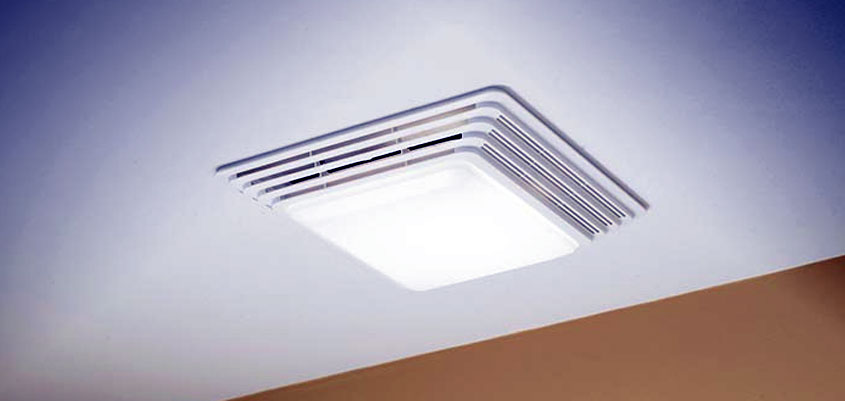
Do you know what type of filter your ventilation system needs?
Types of filters used in ventilation systems
As construction systems have evolved, especially regarding external envelopes and levels of insulation in facades, increasingly complex ventilation systems have emerged to meet the need for high-quality air within homes. The air around us contains suspended particles. For this air to be of quality, the content of those particles must not exceed certain limits. This is one of the controls that should be performed with the air to prevent allergies or possible respiratory diseases. The factors that must be considered when filtering air are:- The concentration of dust in the air.
- The size of the suspended particles.
- Air filters
- Dust separators
To separate viruses and microscopic particles, Activated Carbon filters are used.
To separate soot, electrostatic filters should be used.
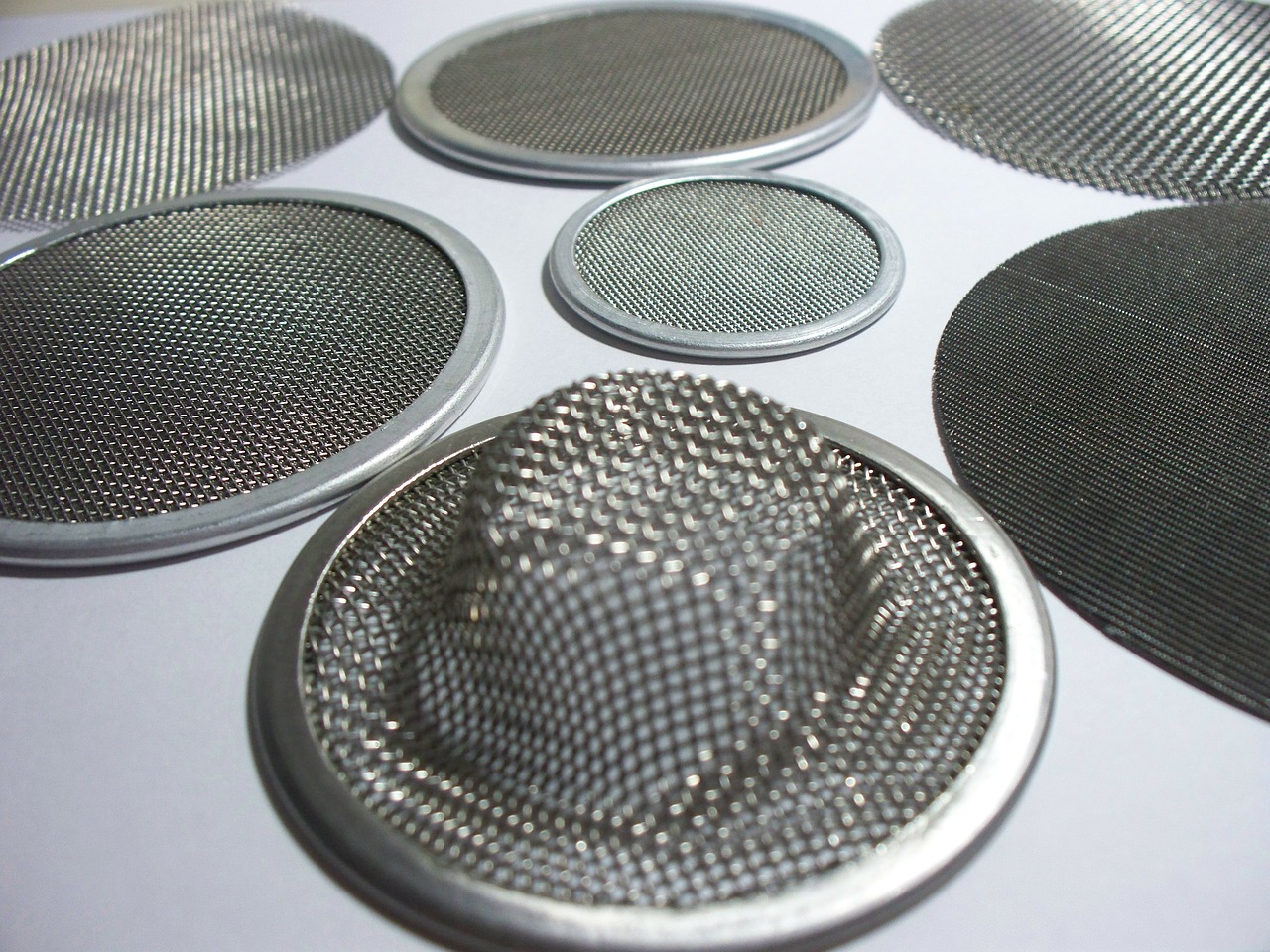
To separate pollen and dust, Wet and Dry filters can be employed. Wet or viscous filters are formed by a metallic framework soaked with a viscous substance, typically oil or grease. Dry filters consist of a fibrous material through which air circulates.
When the particle diameter is greater than 1 mm, mechanical means are the most suitable for their separation. This process is known as dust separation. Dust separators are classified into:
Gravity separators: These are used when the particles are large. Sedimentation chambers are the most used.
Inertia force separators: These collectors work by applying centrifugal force. The most well-known is the cyclone.
Wet separators: They use water to prevent suspended elements from entering the air stream. This system is used when the particles to be separated are less than 5 µm. Often, the air that exits these separators has a high humidity level, close to saturation, making it useful as a cooling source.


Siber Ventilation
Related posts