
Annoying noises. Do you know why they affect us so much?
Harmful effects of noise
Currently, noise pollution is one of the main environmental problems and public health issues faced by inhabitants of the world's large cities, which constitute 54% of the world's population. When sound is below 45 dB, it is considered that we are in a zone of well-being, and from 55 dB onwards, the harmful effects of noise begin to manifest. From a physiological standpoint, there is a contraction of the blood vessels in the precapillary area and an increase in peripheral resistance in the blood circulation, reducing the total volume pumped by the heart throughout the body. The manifestation of these effects depends on the intensity of the noise and the exposure time to it. Nervous excitations, a reduction in reflexes, and lack of attention also commonly occur. Occasionally, and as a consequence of fatigue in the ear bones, temporary deafness occurs. Other symptoms include hypertension, digestive discomfort, respiratory and vascular problems, nervous and endocrine dysfunctions, dizziness, stress, insomnia, and irritability.To assess the impact of noise on our health, it is enough to point out that a person subjected to stress from noise pollution needs half an hour of quiet if exposed to 100 dB for ten minutes, and will require 36 hours of auditory rest if the exposure was one and a half hours.
Do you know why sounds can turn into annoying noises?
The difference between sound and noise is subjective. Depending on how sounds are perceived, they can be pleasant or perceived as annoying noises. In reality, sound is a sensation received by the auditory organs due to variations in air pressure that occur in their vicinity. At the threshold where these variations occur from 20 times per second, that is, 20 Hz, to 20,000 Hz, sound is audible and therefore perceived by the human ear. An annoying noise occurs when a sound, due to its intensity and characteristics, seems bothersome to us.How sound is measured
Measuring sound consists of measuring its pressure. Pressure is force per unit area and can be expressed in several units: Kp/cm2, atmospheres, or Pascals (Pa). Among them, Pascal is the most appropriate for dealing with acoustics. The human ear can detect 20 millionths of Pascal (20 Micropascals) and can withstand the not negligible pressure of 20 Pa. Starting from the pressure, we obtain decibels, which allow us to measure sound at the threshold at which it is perceived by our ear. In this way, the auditory threshold is established between 0 dB and 120 dB, the point at which the pain threshold begins and sound seriously affects our hearing health. The acceptable noise values in the most frequent situations are described below:- Interior of a home: during the day 40 dB and at night 35 dB
- Exterior of a home: during the day 65 dB and at night 50 dB


Siber Ventilation
Manufacturer of High Energy Efficiency Ventilation Systems. Siber provides a set of high energy efficiency solutions in wind and mechanically intelligent ventilation, improving the Health, Hygiene, and Comfort of people, being respectful of the environment.
Related posts
clean air
air quality
bathroom
Health and comfort
fan
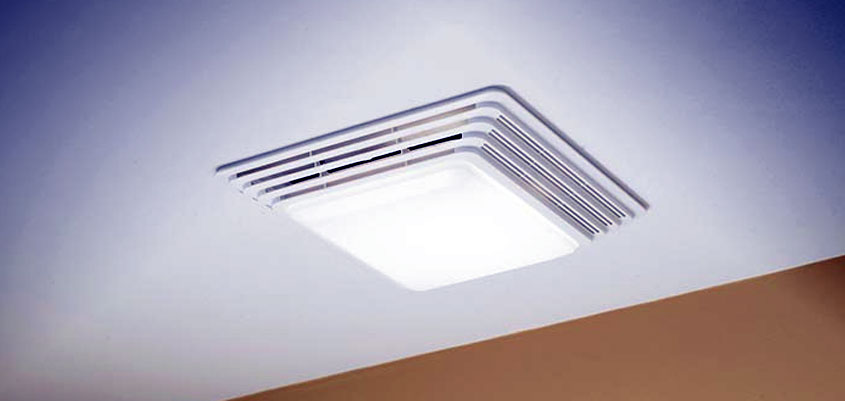
Bathroom fan to renew the air in humid rooms
The bathroom fan is essential for eliminating humidity and contaminated air in humid hygiene areas. We explain how it works.