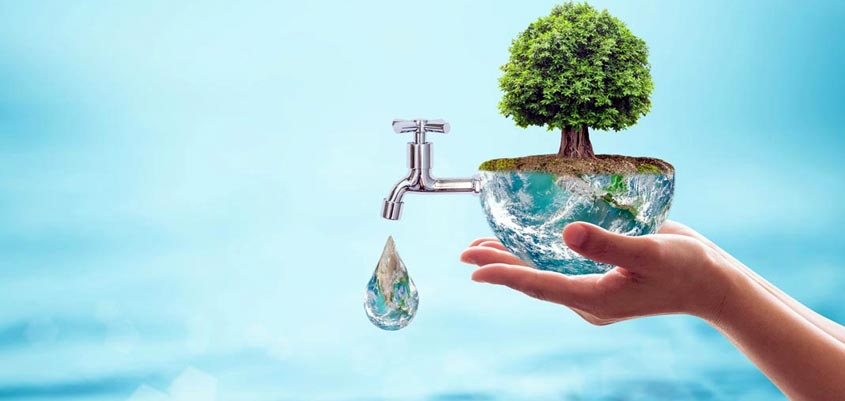
Save water in summer with energy efficiency systems
It is quite common for water consumption to be considered one of the highest in households. But, do we really know in detail what we consume when we turn on the taps? Surely we do not take into account that heating water is one of the main effects on our home bills, and that to save water we need to keep this in mind, in addition to opting for energy efficiency systems, which help us lower the bills for household supplies.
An important piece of information to understand it: it is estimated that, on average in Spanish households, 40% of the water consumed is hot. And much more in the case of winter, when no one wants to turn on the cold water tap even to wash their hands. So we can understand that if we want to temper the water, it will cost us. But not only that: while water is expensive in Spain, the cost of heating it can reach up to four times the price of water itself. Thus, we can already understand why, when saving on water, sometimes what is important is how we heat this essential resource in our daily lives.
Showering, brushing teeth, flushing the toilet, washing dishes and refreshing oneself, in addition to the enormous expense of doing laundry. In almost all these processes we heat water in winter, or at least in those that require a larger amount of water. How much water do we need at home? According to UNESCO, there have been years in which the average consumption in Spanish homes was 126 liters per day per person. And that without counting industry or the service sector.
Therefore, it is important to use energy efficiency systems at home to save water, but also to maintain a reasonable consumption, which does not mean losing comfort. First of all, here are some tips for us to save water at home:
- Avoid baths and opt for showers. It is not about washing less or neglecting hygiene, but a five-minute shower uses about one hundred liters of water at normal flow and half if a flow reducer is available. A bath consumes up to 250 liters.
- Fix leaks. Did you know that toilets can waste about 200,000 liters of water annually? Or that a dripping faucet wastes 30 liters daily? That is the same amount that a cistern needs in five flushes. So keep in mind that a repair is a savings.
- Toilets are not made for throwing away garbage. With a trash can - also for toilet paper - you save the 6 to 12 liters required to flush. On the other hand, waste in the sink clogs the pipes and contaminates the environment.
- When shaving or brushing your teeth, turn off the tap. It may seem silly, but it can amount to about 10,000 liters annually if each time you lather or brush your teeth you do not let the water run.
Energy efficiency installations to save water
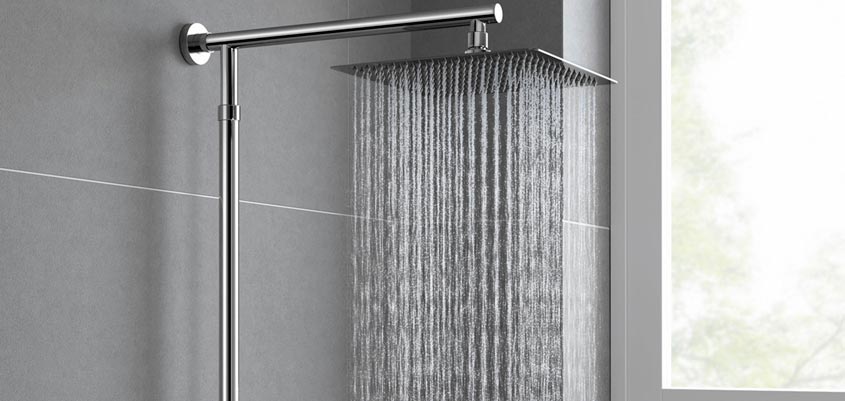
One of the best solutions to save water is, without a doubt, improving heating systems. And the best way is to have solar panels that provide sanitary hot water backed by renewable energy. We have already said it; the highest expense in water is incurred when heating it. So it is important to consider that, if the energy comes from the sun, we will have saved a lot.
However, we can already apply simple modifications at home to have energy efficiency mechanisms at home and save water.
- Pressure reducers can help you a lot in the water supply so that every time you turn on a tap, the water flow is less. If you do not want to install a reducer, you can try to slightly close the shut-off valve.
- Install saving devices on taps, especially in the shower. You can cut the water expenditure in half.
- Set up a dual flush system in the toilet. You can use half with it, and it is a better option than putting a water bottle inside the cistern.
- Use thermostatic taps. In addition to saving on the water supply, they also save on the energy needed to heat it. The temperature is preset, and no more than necessary is wasted.

Siber Ventilation
Related posts
Low consumption heating: advantages of double flow ventilation
Energy service companies: what they are and what services they provide