




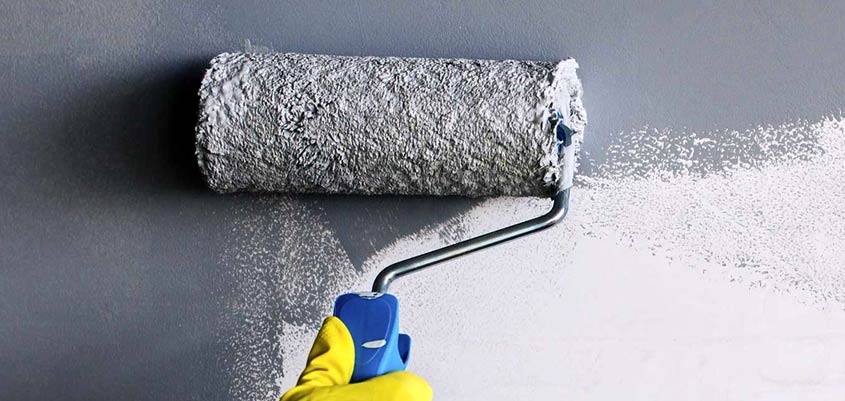
Anti-humidity paint, does it really work or is it useless?
Surely we have all heard at some point that the solution when humidity stains appear on the walls or ceilings of our home is to paint over them. In fact, for a long time, insurers would only offer to paint over condensation marks when they were informed of this problem in a condominium. Thus, it is normal that anti-humidity paints became popular, a product that seemed magical in predicting that it could eliminate humidity in the home. But is it really so?
If we look at what some manufacturers of anti-humidity paints say, they usually claim that their products do eliminate humidity under certain circumstances. At first glance, painting over humidity stains will eliminate those ugly marks, but we assure you from here that it will not solve the problem. And if we consider the statement that this type of paint can eliminate humidity under the right circumstances, that means when the problem has been eliminated at the root. Then they would be useful.
 To understand why anti-humidity paints are not effective in eliminating this problem, we need to understand what humidity is. The excess water vapor in the air is what generates a different sensation in our bodies and affects buildings. Normally, the signs of a high humidity are as follows:
- People catch colds more easily and respiratory problems appear.
- An unpleasant and specific odor is generated.
- Summer temperatures are warmer and make us sweat. In winter, the cold penetrates to the bones.
- Some plastics in the home deteriorate.
- Walls and ceilings show mold stains.
Humidity originates from specific temperature conditions, which usually relate to the geographical location of a particular place. The plants we have at home, if we dry laundry indoors, the use of the bathroom or kitchen are actions that also increase humidity in the home.
The humidity problem is exacerbated when there is no proper air circulation, as then humidity becomes trapped in the home and stains appear on the walls, odors, and very uncomfortable temperatures. In general, to eliminate humidity, the most important thing is the following:
- Minimize sources of humidity creation. This includes ventilating when cooking or using the bathroom, and avoiding anything that generates water vapor like drying laundry indoors.
- Renovate the air indoors. If there is humidity and there are no ventilation solutions and the windows are closed, humidity becomes difficult to combat and is when it becomes more dangerous.
- If there is always a large amount of water vapor in the air due to specific geographical situations, dehumidifiers can be used .
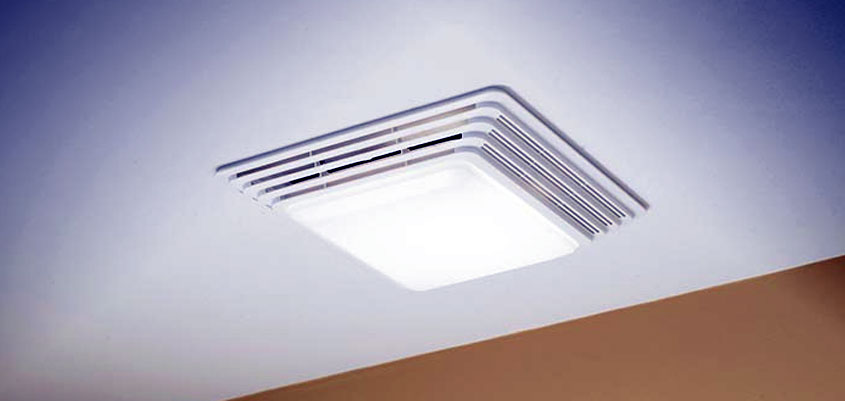
Many times, the humidity stains on a wall are due to excess water vapor on the other side of the wall, where there may be a bathroom. The correct approach in such an example would be to eliminate the humidity from that bathroom with an extractor fan.
When to use anti-humidity paints?
We can say that anti-humidity paints are useless if what we want is to eliminate the humidity problem we have at home, but that does not mean they have no utility. If, for example, those humidity stains come from a problem that has already been solved, we can use that paint to eliminate that consequence.Likewise, that anti-humidity paint will have a greater protective effect against water vapor in the environment, which can be interesting. But what it will not achieve is to eliminate the humidity problem in the rooms of the home.
To be able to eliminate humidity, instead of focusing solely on the use of anti-humidity paints, what we should do is opt for better air circulation and avoid sources that emit water vapor into the air. For this, mechanical ventilation systems are the best solution to achieve true air renewal, especially by extracting humid air from bathrooms and kitchens.


Siber Ventilation
Related posts
Air Purifiers: Functioning and Possibilities in Our Home
Bathroom fan to renew the air in humid rooms