The future of construction lies in energy efficiency
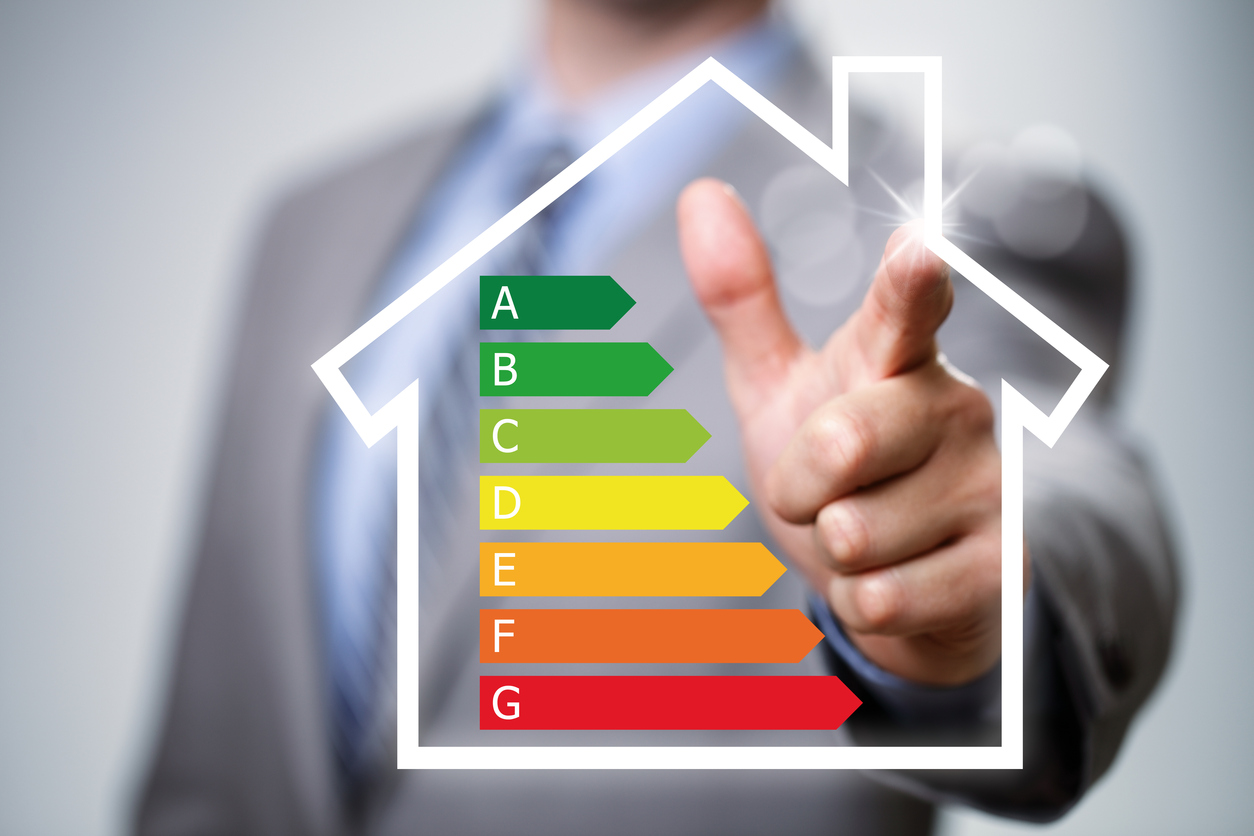
If we consider what the future of construction should be, it is very likely that we will think about how to optimize buildings, automation, or new construction techniques. However, the most immediate future -and we could almost consider it the present- is to bet on energy efficiency.
We can compare the current real estate market with the way cars were sold. Historically, one of the crucial points when purchasing a vehicle was fuel consumption, with it being very normal for the end buyer to pay more for a model that consumed much less. In the case of buildings, we can say that, currently, something similar happens. While in the past it was not common to ask about the energy consumption of homes, today it is something crucial.
But in addition to consumer interest, the Technical Building Code warns that energy-saving measures must be applied to all buildings. Furthermore, starting next year, Nearly Zero-Energy Buildings will be implemented, which represents a significant advancement in supply savings and outlines what the future of construction will look like: with energy efficiency marked as a central aspect.
If we talk about how much a building can currently save, we can look at some figures. According to the International Federation of Real Estate Professions (Fiabci), efficient buildings can save up to 70% of energy if we apply an initial investment of between 20,000 and 40,000 euros.
How long can it take to recoup an investment of such characteristics? Although it may seem like a significant amount, within a span of ten years this initial cost can be recouped, which is manageable for most properties, as their useful life is much greater. Likewise, the profitability is also greater in case of selling the home.
That is why currently, the demand for energy-efficient buildings is something natural in the market, where also the appreciation is much higher in cases where properties can save energy. For example, it is estimated that 70% of multi-family homes being built exceed regulatory minimums and implement significant energy-saving measures. In the case of single-family homes, all buyers typically require their new properties to have high energy efficiency measures.
Since when has this awareness of energy savings existed among home buyers? It could be said that in the last five years it has become common, industry experts say. Although it is true that it was from the application of the Spanish energy certificate, a little over a decade ago, that requirements began to be imposed on Spanish citizens. At that time, this obligation was seen as a problem. Today, it helps both buyers and sellers of properties and is considered totally necessary.
The importance of regulation in the construction of the future
Focusing on energy efficiency of buildings for the future of construction is logical, since it is not traffic that is the biggest polluter in cities, but the properties themselves. The construction sector is responsible for 40% of carbon dioxide emissions into the atmosphere, and if we also add harmful emissions during construction, use, and demolition of these buildings, the percentage rises to over 50%.As a result, starting next year, Spanish constructions will need to meet the requirements imposed by the European Union regarding Nearly Zero Energy Buildings. This type of construction achieves very high energy efficiency, allowing them to have an almost nonexistent or very low energy demand, typically met by renewable sources.
It can be said that Nearly Zero Energy Buildings can consume between 70% and 80% less than those that simply comply with current regulations. Therefore, the most immediate future of construction lies in them. Nonetheless, the biggest challenge will be how to implement this regulation, as currently the Spanish regulation still does not clearly define which rules should be considered. However, it is possible to consider the application of voluntary energy certificates such as BREEAM or Passivhaus, which can help achieve the necessary energy savings proposed by Nearly Zero Energy Buildings.
In any case, there is no doubt that the future of construction will revolve around greater energy efficiency and respect for the environment. Also, renewable energy sources will play a very important role in the entire process. And surely in a decade it will be normal for modern buildings to have almost no consumption.

Siber Ventilation
Related posts