Dampness in summer or winter, when is it more dangerous?
Autumn has brought the first precipitation that may have worsened the dampness problems in our home. Or perhaps it's just a feeling? The truth is that while the manifestation of dampness is more evident in winter, it does not disappear in summer. Today we ask ourselves in which season is dampness more dangerous.
Dampness is the amount of water vapor in the air or, in other words, the total amount of water that a body is soaked with or that, vaporized, mixes with the air. And although it is often overlooked, it has a direct impact on human health. Even more, it is considered that maintaining an adequate range of humidity inside homes, around 40% to 60%, is key to keeping health in check.
What many people do not realize is that having too much dampness in the home is as serious as having too little. So even though in winter the manifestations of vapor water become more evident, in summer, when homes are constantly ventilating, we should not neglect them.
 As a general rule, humidity levels tend to be low during winter and high during summer, and warm air holds more moisture than cold. We describe summer air as sticky or humid, while dry air is considered static. It is complicated to compare summer humidity with winter's since, as we mentioned, it occurs in both seasons and varies depending on the surrounding climate at a specific time. Not only that, but humidity levels can fluctuate daily.
How does dampness occur in summer and winter?
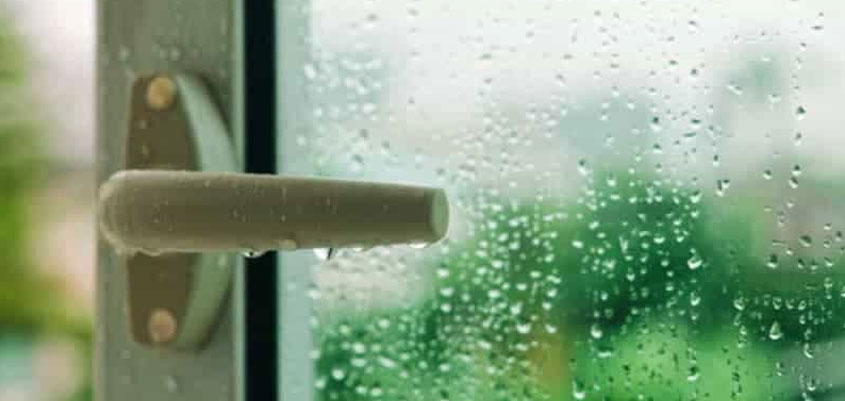
In summer, windows and balconies remain open for practically the whole day to enjoy the brightness of this season and its good temperature. It might seem that in this picture there is no room for dampness in homes . Nothing could be further from the truth.The warm air inside homes in summer can absorb a greater amount of moisture. Furthermore, when this warm air mixes with the cold air that can be present in the more humid rooms (garages or basements, for example) and cools down, it generates an ideal breeding ground for the production of fungi, molds, and dust mites, which can be very dangerous for our health.
What happens in winter? The indoor air tends to dry out because the cold air, which carries less moisture than warm air, enters the house and is heated, reducing its relative humidity. This low humidity also occurs during summer due to air conditioning units, which can remove moisture from the air while they are operating.
Nonetheless, high humidity levels inside a house during winter are unusual; therefore, they are generally a sign of significant problems such as water leaks, condensation issues, and lack of ventilation.
The effects of low humidity on health
Dry eyes, flaky skin, inflammation of the respiratory tract... The impact of moisture on health is evident in numerous areas of health. However, it could be said that it primarily affects three:- Nasal congestion is related to humidity . Additionally, on one hand, it is known that there are viruses that find the perfect habitat in humidity, which multiplies the risk of respiratory infections. On the other hand, in low humidity conditions, viruses released from a sneeze can float indefinitely in a room.
- Low humidity not only causes dry eyes but also forces a person to blink more frequently to try to hydrate them, which leads to deterioration of visual function.
- People with sensitive skin may suffer the consequences of humidity, ranging from dry or flaky skin to eczema or cracks.
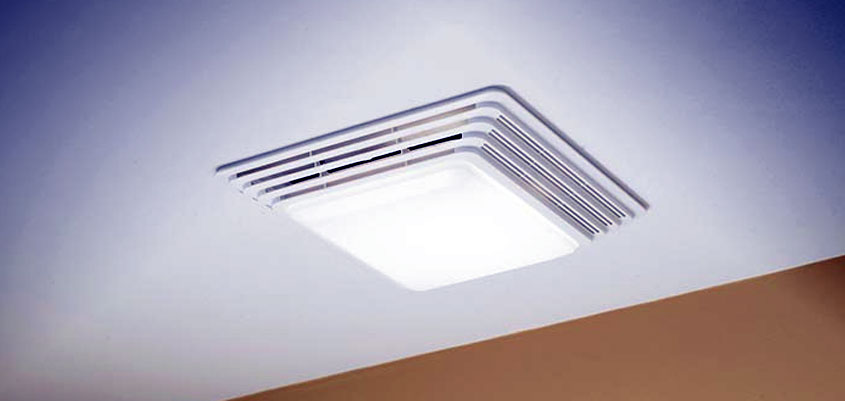
Mechanical ventilation systems extract stale air from the rooms and replace it with previously filtered outside air. This way, new air is pushed in at a temperature similar to that of the interior of the home, which allows, as we said, for energy savings both in summer and winter and improves the overall comfort of the home. And they also help to improve humidity in summer and winter .


Siber Ventilation
Related posts