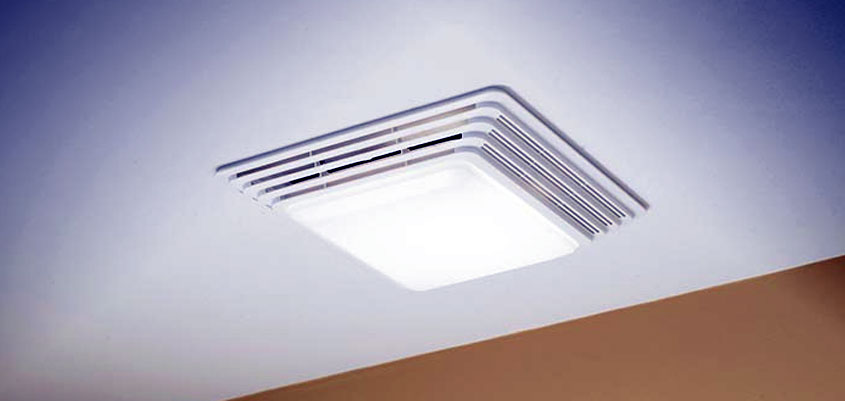
Confort óptimo: higiene y niveles saludables de contaminantes

superadmin
January 5, 2017
Conseguir un confort óptimo en tu vivienda o lugar de trabajo pasa por conseguir una calidad del aire elevada dentro de estos espacios. ¿Sabes cuáles son los niveles saludables de contaminantes en el aire? A continuación, haremos un repaso de la legislación actual vigente en materia de calidad del aire interior y señalaremos los niveles legales establecidos de concentración en el aire de determinados componentes contaminantes.
Calidad del aire interior para un confort óptimo: una obligación normativa
De acuerdo con la NTP 243 Ambientes cerrados: calidad del aire, del Ministerio de Trabajo y Asuntos Sociales, desde el 2013 es obligatorio inspeccionar la calidad del aire para alcanzar un confort óptimo. Así, es necesario hacer una revisión anual de la red de conductos y de la calidad ambiental para instalaciones térmicas en edificios cuya potencia útil sea igual o mayor a 70 kW (tanto en frío como en calor). Si bien las viviendas individuales están exentas de cumplir con esta exigencia, si deben cumplirla la inmensa mayoría del resto de edificios.
¿Sabes a cuántos tipos de contaminantes estamos expuestos?
Son diferentes las fuentes de las que pueden provenir los diferentes tipos de contaminantes presentes en el aire:
- El ser humano. Dado que las personas producen de modo natural CO2, vapor de agua, partículas y aerosoles biológicos, se puede decir que los ocupantes de un edificio son en sí mismos una fuente de contaminación.
- El propio edificio y su contenido.
- Las combustiones que se producen en el interior de los edificios.
- Los productos químicos utilizados en la limpieza y el mantenimiento.
Algunas de estas fuentes producen mezclas complejas tales como humo de tabaco, aerosoles y humos generados por la preparación de comidas, aerosoles biológicos infecciosos y alérgenos generados en los circuitos de refrigeración.
Guías y concentraciones promedio permitidas
Son muchas las organizaciones que han desarrollado guías y estándares de exposición (la OMS, el CIBC y la ASHRAE, entre otros). Todas ellas insisten en la necesidad de renovar el aire en ambientes cerrados, aportando un caudal mínimo de aire fresco por ocupante que diluya las concentraciones de bioefluentes humanos y evitar, de esta manera, las molestias que los malos olores puedan ocasionar.
En la década de los 70, la ASHRAE publicó diversos estudios recomendando una aportación de aire fresco mínima de 34 m3/h por persona para evitar los malos olores y un mínimo absoluto de 8,5 m3/h por persona para conservar las concentraciones de CO2 por debajo de los 2500 ppm (para lograr un confort óptimo, recomienda una concentración de CO2 máxima de 1000 ppm). En su estudio más reciente, la ASHRAE Standard 62-1989, recomienda un mínimo de 25,5 m3/h por persona para aulas escolares, uno de 34 m3/h para oficinas y otro de 42,5 m3/h para hospitales (en la zona de los pacientes). Dicho estándar recomienda aumentar dichos volúmenes si hay problemas de mezcla del aire en la zona de respiración o fuentes no habituales de contaminación. Sin olvidar que se debe lograr un buen nivel de confort térmico en los recintos cerrados, señala que la temperatura interior debe mantenerse entre 20 y 24 ºC en invierno y entre 23 y 26 ºC en verano. Aunque este estándar no lo especifica, se considera que la humedad relativa debe situarse entre el 20 y el 60% (preferiblemente, entre el 30 y el 50%).
De acuerdo con la Ordenanza General de Seguridad e Higiene en el Trabajo, los valores han de ser los siguientes:
- Suministro de aire:
- 30 - 50 m3/h por empleado, o bien una renovación total del aire de 6 veces/hora para trabajos sedentarios y de 10 veces/hora para trabajos que requieran un esfuerzo físico.
- Velocidad del aire
- 15 m/min (temperatura normal) y 45 m/min (ambiente caluroso)
- Temperatura
- 17 a 22 ºC (trabajos sedentarios)
- 15 a 18 ºC (trabajos ordinarios)
- 12 a 15 ºC (trabajos que exijan un acusado esfuerzo físico)
- Humedad relativa
- 40 - 60%
- >50% si se puede generar electricidad estática.


Siber Ventilación
Entradas relacionadas