How are sustainable buildings? Concept of green building

superadmin
March 2, 2017
The so-called Sick Building Syndrome (SBS) refers to a series of symptoms that appear in certain individuals after spending several hours in an enclosed space. They usually consist of irritation in the eyes, nose or throat, headache, skin rashes, and respiratory problems. A building is considered "sick" when this syndrome affects 20% of its occupants. In response to the construction of such buildings that can pose health problems, the concepts of green buildings and sustainable buildings have recently emerged.
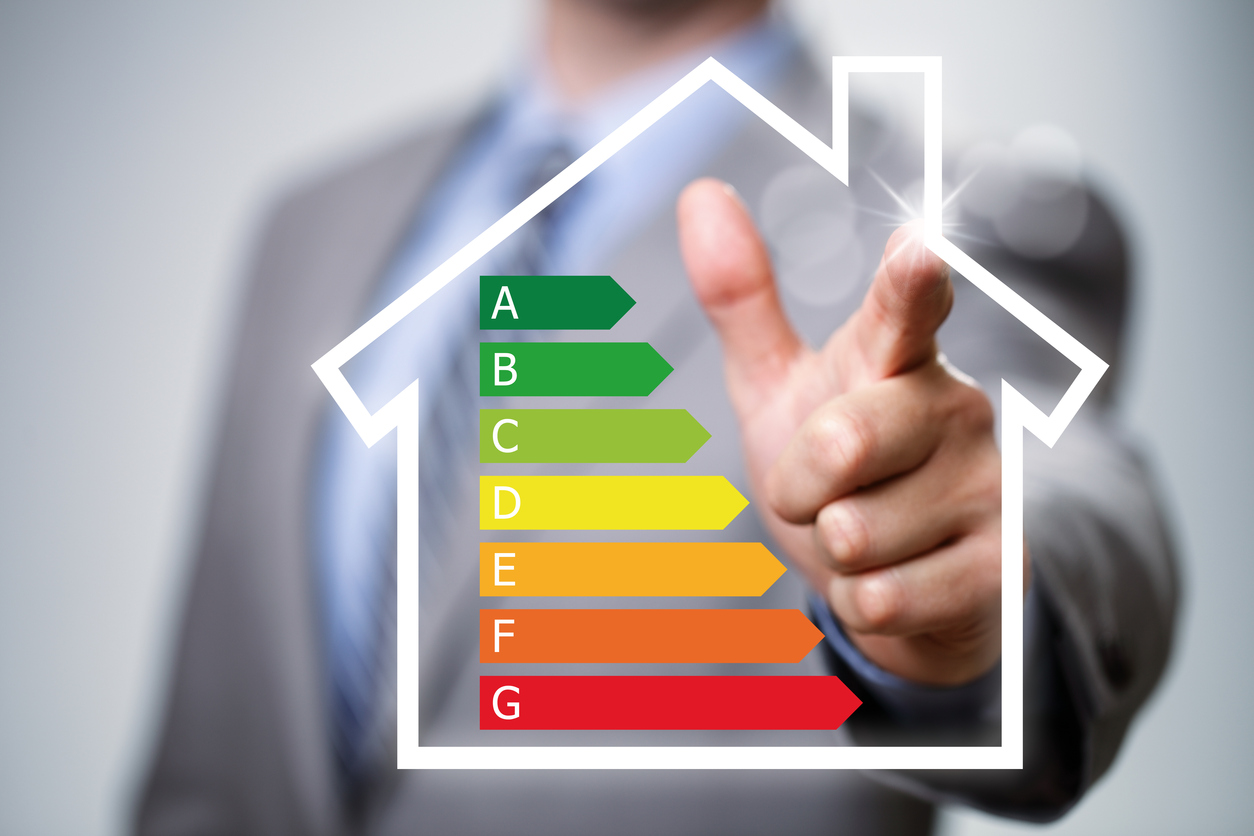
A green building is defined as a construction that uses natural materials and rejects the use of toxic substances in the manufacture of construction materials, whether harmful to the environment or to health. In a green building, energy consumption is significantly reduced compared to a non-green building. Sustainable buildings, on the other hand, are designed to optimize natural resources and construction systems to minimize their environmental impact. They are buildings constructed with materials made according to energy efficiency criteria. Once operational, their energy consumption for heating, cooling, lighting, and other resources is very low, as demand is met with renewable energies.
The benefits of constructing green buildings extend beyond the construction process. During their use, the percentage of users affected by SBS is significantly reduced, while at the same time, cognitive function of the occupants increases, meaning their ability to think and plan clearly. According to recent studies, individuals who work in these types of buildings tend to sleep better at night, thereby increasing their work performance during the day.
Sustainable buildings. Why does Sick Building Syndrome occur?
The Sick Building Syndrome is a recent phenomenon: modern humans spend about 80% of their time in enclosed spaces, which has led to an increase in allergic and pulmonary diseases. The transmission of infectious diseases has also increased. Following the oil crisis of 1973, all industrialized countries developed regulations to control energy consumption, especially for heating and cooling. The insulating capacity of walls and roofs was increased, and the seals of doors and windows were improved to prevent heat loss. Ultimately, hermetically sealed buildings appeared, equipped with mechanical ventilation systems, which accelerated the onset of the aforementioned health problems. In the past, it was believed that only humans, through the exhalation of carbon dioxide via respiration and body odor, were responsible for the deterioration of air quality. It is now known that organic components released from furniture, paints, varnishes, fuels, detergents, and cleaning materials also contribute to indoor air pollution.
An important group of contaminating elements are those contained in construction materials, among which formaldehyde from binders used in coatings and woodwork stands out. Radon, which is particularly dangerous, is also present. It is a naturally occurring gas that usually appears in basements and is associated with certain types of cancer. Some materials, such as granite, pumice stone, and phosphate rocks contain it. Other substances that should be avoided when choosing construction materials are volatile organic compounds (VOCs), found in some types of paints, carpets, and furniture.
 /div>
/div>

Siber Ventilation
Related posts