





CTE and energy efficiency, obligations in sustainability
Energy efficiency and savings in supplies are key pillars in the current construction sector. For some time now, it's not just an added benefit, but current regulations are based on it. The Technical Building Code requires various considerations regarding energy consumption, so any new construction must follow specific technical guidelines. CTE and energy efficiency are related in a series of basic documents, which mainly affect the thermal insulation of buildings, lighting, and the type of air conditioning systems used.
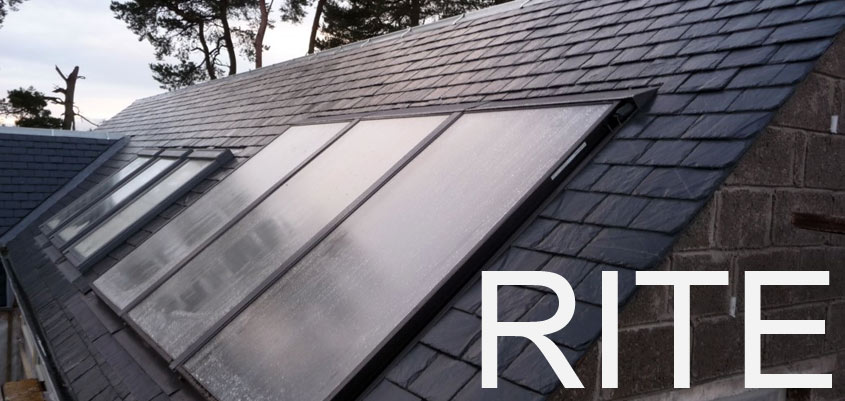
It is considered that energy efficiency is one of the most important objectives of the CTE and this is reflected in the Basic Requirement HE for energy savings. In this document, the airtightness of buildings is perhaps the most highlighted aspect. Likewise, there is an emphasis on the use of renewable energies, such as the domestic hot water system ACS, which uses solar panels to heat the supply intended for showers and faucets. As specified in this Basic Requirement of the Technical Building Code, a "rational use of the energy necessary for the utilization of buildings" is required, and to achieve this, it is essential to reduce the sustainable limits of consumption, while the consumption mainly comes from renewable energy sources.
How is the Basic Document for Energy Savings DB HE structured? Mainly in five basic requirements related to energy efficiency:
- HE 1: Limitation of Energy Demand.
- HE 2: Performance of Thermal Installations.
- HE 3: Energy Efficiency of Lighting Installations.
- HE 4: Minimum Solar Contribution of Domestic Hot Water ACS.
- HE 5: Minimum Photovoltaic Contribution of Electric Energy.
Of the five sections of the Basic Document for Energy Savings HE, the one that most influences building construction is the first, the limitation of energy demand. This section establishes that, to achieve thermal comfort and pleasant indoor temperatures, sufficient thermal insulation is essential. The materials used in construction and also the orientation with respect to the sun will be of paramount importance.
There is no doubt that to save energy, it is essential to require less demand, and that is what is proposed regarding airtightness in the CTE. Insulation and inertia, air permeability, and exposure to solar radiation are some of the characteristics that also enable a reduction of humidity problems. This also limits problems arising from water condensation in the air and its influence on indoor temperatures.
The importance of CTE in improving energy efficiency with higher thermal performance solutions
In the second section of the Basic Document for Energy Efficiency HE included in the CTE, the performance of thermal installations is discussed. Thus, the energy demand of buildings is limited according to the climatic zones of each locality and their use. The climate of each location must be taken into account.In private buildings intended for housing, imbalances in thermal quality between different habitable spaces must be avoided, but above all, thermal installations must be of efficient consumption, and new energy solutions are promoted. The habitual use of, for example, traditional heating or air conditioning systems must be avoided, whether through thermal insulation or the installation of efficient cooling solutions.
The CTE warns in the Basic Document HS3 concerning health that mechanical ventilation must be used, at least with hybrid systems, to ensure health indoors. This is because thermal insulation prevents air leaks indoors, so air flow from the exterior to the rooms must be ensured.
Similarly, double-flow mechanical ventilation systems are also one of the best options for heating or cooling rooms in winter and summer. By introducing pre-filtered air from outside to ensure health, a heat exchange takes place that moderates the interior spaces. In this way, the use of traditional climate control systems is limited, as required by the CTE in energy efficiency within the Basic Document HE to achieve greater energy savings in buildings.

Siber Ventilation
Related posts

Constant flow ventilation systems, how do they work?