Building a house, what costs and regulations should be considered?
Building a house is the dream of many people. It is also the business of companies and of course the profession of architects and designers. In apartment blocks built by development companies, experience helps ensure that regulations are followed and costs are known to those involved in construction. But in family homes, especially when it comes to more personal projects, these details tend to be more complicated and must be carefully examined.
When it comes to building a house, it is not enough to just focus on the construction. One must comply with regulations and adapt to costs that, if not accurately calculated, are likely to exceed expectations. Adhering to regulations and having a good estimate of costs is essential.
On the other hand, building must be done based on current regulations. By doing so, we also avoid many of the common problems in construction, such as the issue of humidity in homes.
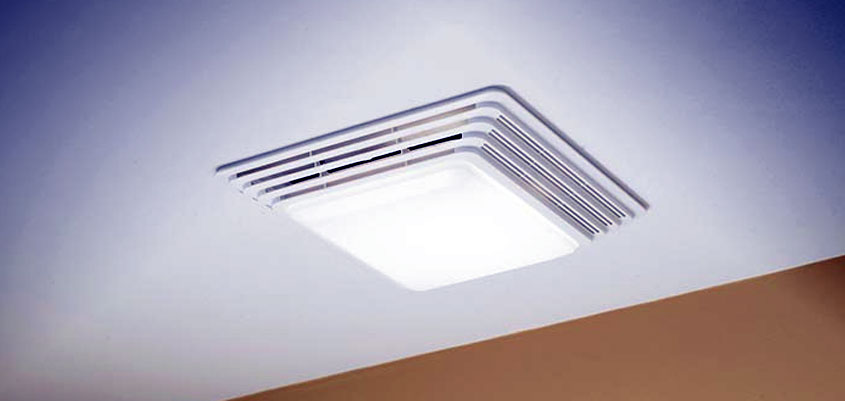
Similarly, one can opt for a smart building and seek methods to invest in energy efficiency. Modern double flow ventilation systems or technologies used in passive houses enable homes to be in better conditions, which are also very economical.
That is why it is essential for the architect and the designer to adapt to current regulations, but also to take advantage of new technologies and advancements in the sector to avoid homes that require too much energy.
Adapting to regulations to build a house
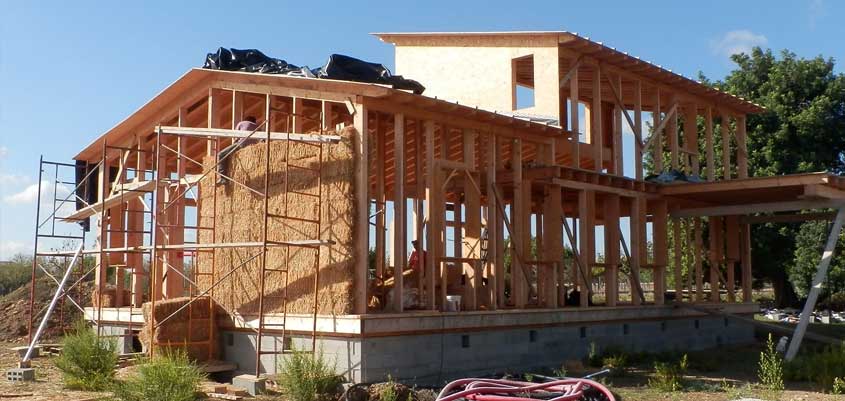
When it comes to building a house in Spain, the governing regulation is the Technical Building Code, known as CTE. This text outlines various documents with needs, requirements, and references to European Union regulations. This building code is the basic regulatory pillar in our country.
Thanks to the CTE, all European directives can also be applied, which are covered by the document. In recent years, the Technical Building Code has included numerous sections on energy efficiency that must be applied when building a house. Increasingly, mandatory regulations emphasize energy savings for new buildings or renovations. This is also known as efficient rehabilitation.
The architect responsible for drafting the house plans and considering materials and all aspects related to construction must follow the CTE. Adapting to this regulation is not only essential, but it is legally required for the housing to be certified.
Controlling costs when building a house

All European regulations and what is outlined in the Technical Building Code open a new window of opportunities to invest in energy efficiency and build sustainably. However, does this incur more costs or result in savings in construction?
In this case, to avoid unnecessary costs and control expenses, in the last decade there has been a push to build houses whose manufacturing price can be reduced with more economical materials. In this way, the increase in sustainability can be financed. However, materials must be selected carefully to not negatively affect the life cycle of the home. There is no point in saving on supplies during the useful life of the house if the materials later fail due to premature wear.
The sustainability of the building to be constructed must be ensured. Depending on how a house is built and the types of materials used, during the useful life of a home, the total costs for energy and water can represent between 25% and 75% of what its construction cost. And this will depend on how it is built and whether energy efficiency criteria have been applied. For example:
- One should look for renewable energy sources. Larger windows that also insulate against cold and heat allow us to save on air conditioning and especially in lighting during sunny hours.
- Collecting rainwater or installing solar panels, in certain houses, can result in enormous savings on supplies.
- One should invest in passive ventilation systems and other mechanical systems that save costs. This way, expenses on air conditioning and heating can be avoided.
- The house must have well-insulated walls, and its orientation should be calculated based on the natural and climatic conditions of the location.

Siber Ventilation
Related posts

Constant flow ventilation systems, how do they work?