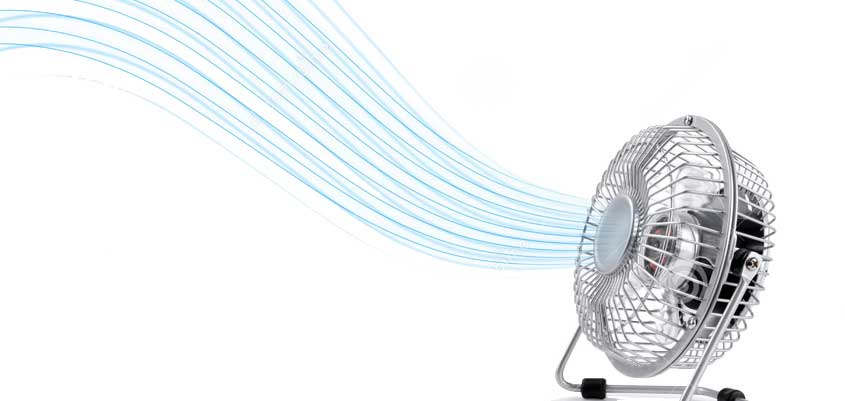
Ventilación silenciosa, aprende a eliminar ruidos
Es prácticamente imposible evitar que un ventilador genere un cierto nivel de ruido. Igual que los fabricantes de aire acondicionado tratan siempre de ofrecer productos silenciosos -ya que incorporan igualmente ventiladores en su interior-, en todos los sistemas de ventilación mecánicos siempre se trata de recortar el nivel de decibelios tanto como sea posible. En algunos casos, podemos recortar el ruido hasta encontrar un nivel de ventilación silenciosa que nos resulte agradable.
Evitar el ruido en su totalidad siempre será imposible, ya que el giro de las hélices, la velocidad del aire o incluso el motor van a generar unos sonidos que no pueden obviase. Sin embargo, la ventilación silenciosa puede lograrse si podemos alcanzar un nivel acústico realmente bajo y cómodo. Y para ello tenemos diferentes soluciones para poner en marcha.
Antes de elegir ventiladores silenciosos, hemos de pensar en el uso que se les va a dar y en su colocación. Por ejemplo, en el caso de los extractores de baño es importante que no generen mucho ruido.
¿Cómo disfrutar de ventilación silenciosa?
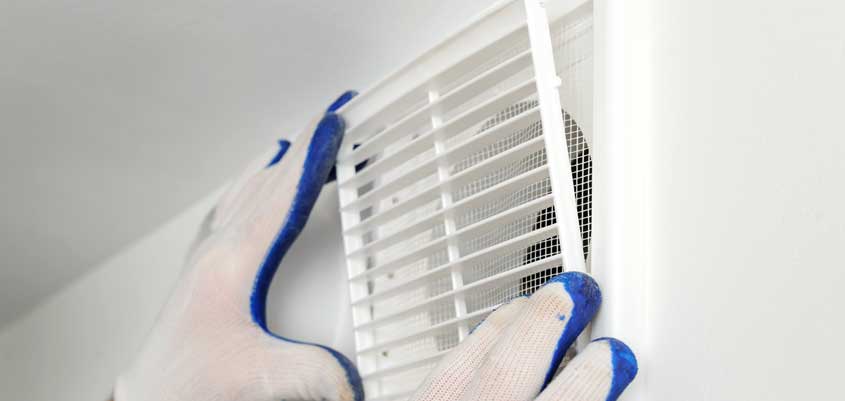
Lo más obvio es apostar por un ventilador que trabaje a menor potencia. Con un número de revoluciones menor, el ruido menguará sin duda. Aun así, ha de seguir manteniendo un caudal y una presión que garanticen el confort para el que se ha elegido el ventilador.
En este caso, importa mucho conocer las necesidades del sistema de ventilación. Por ejemplo, las soluciones mecánicas que extraen el aire de casa y lo renuevan al introducirlo fresco del exterior tienen unas necesidades mínimas para poder garantizar su funcionamiento óptimo. En este caso, ajustarse a estas especificaciones es importante para evitar ruidos y decibelios de más.
Más allá de eso, para seguir buscando la ventilación silenciosa, se puede seleccionar un ventilador con un motor de un mayor número de polos. Por ejemplo, seis polos y 900 revoluciones por minuto. También podemos optar por ventiladores con variador de frecuencia, que nos permiten elegir a cuántas revoluciones funcionará.
Nos queda también la alternativa de escoger alternativas de eficiencia energética. Todos los ventiladores que ahorran en energía eléctrica también lo hacen en ruido. Tenemos, por ejemplo, los ventiladores EC. Son modelos que combinan tensión alterna y continua, utilizando lo mejor de cada motor. Se alimentan de la corriente alterna, pero luego transforman la energía para la tensión continua. Además de ahorrar bastante, generan menor ruido.
Instalaciones inteligentes
Hemos comentado previamente que es muy recomendable saber dónde se instalará el ventilador y cómo funcionará. Y que es una buena opción usar solo la potencia necesaria. Sin embargo, la instalación del sistema de ventilación tiene muchísima importancia.Los conductos por los que circulará el aire son de máxima importancia. Si conectan con el exterior, el recorrido que el aire deba realizar ha de ser el mínimo. A conductos más largos, mayor potencia necesaria de ventilación y también más ruido.
En nuestros hogares y en oficinas no se requiere una velocidad rápida del aire. En estos casos, con diámetros que permitan velocidades de entre 4 y 6 metros por segundo suele ser suficiente. La potencia exigida del ventilador será menor, por lo que ayudará a tener menos decibelios.
Igualmente, el aire necesita pasar por zonas libres de obstáculos. Los conductos, si pueden ser limpios y sin muchos giros, hará que se requiera menos potencia.
En una buena instalación de ventilación silenciosa, podemos también optar por sistemas de amortiguación del ruido para nuestros ventiladores. Los más conocidos son, en su término en inglés, los silent blocks. Estos elementos son piezas de goma -a veces de metal- que se colocan en los tornillos donde el ventilador va acoplado.
De este modo, las vibraciones de movimiento del ventilador son absorbidas por los silent blocks, que actúa como si estuviera suspendido en el aire y no rozando con arandelas o con la pared. Además, la vida del ventilador se prolonga con su uso, ya que funcionan de manera suave y menos brusca, sobre todo en ventiladores de gran tamaño.
Algo más directo para eliminar el ruido es usar silenciadores acústicos. Pueden ser circulares o rectangulares y pueden recortar hasta diez decibelios. Estos silenciadores tienen aspecto de malla y pueden evitar la transmisión de ruidos, tanto al extraer aire como al introducirlo.
Si el ruido es demasiado elevado, podemos optar por aislar el ventilador, por ejemplo en una cabina insonorizada o una campana acústica. De la misma manera que pueden instalarse reguladores de caudal.
Lograr un sistema de ventilación silenciosa, sobre todo cuando la renovación del aire es mecánica, requiere de importantes dosis de ingenio y sobre todo de planificación. Si bien los silenciadores o los silent blocks son importantes, elegir bien el modelo de ventilador o planificar los conductos son aspectos primordiales. Eligiendo bien dónde se instalará un ventilador se puede ahorrar en futuros costes para eliminar el ruido que produce.


Siber Ventilación
Entradas relacionadas

Sistemas de ventilación con caudal constante, ¿cómo funcionan?
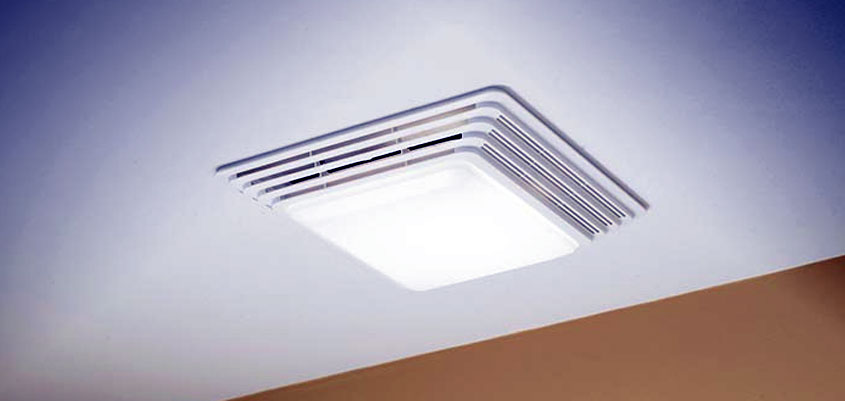
Ventilador de baño para renovar el aire en estancias húmedas