
The use of the shunt for bathroom ventilation
The shunt is an architectural element used to evacuate odors and renew the air in humid areas (bathrooms and toilets) that lack natural ventilation. It is a system primarily used in residential blocks, where the bathrooms are located in the same position on each floor of the building. In this case, the shunt is a single duct made of prefabricated parts through which it is possible to renew the air from all the bathrooms. It usually comes with a static extractor located at the top, allowing the circulation of air without mechanical means. Since the entry into force of the Technical Code in 2006, this suction system must be hybrid or mechanical.
Components of a shunt: the fan
Therefore, and in compliance with current regulations regarding ventilation (C.T.E. HS3), shunts usually incorporate at least one fan to ensure the renewal of contaminated air when external conditions of pressure and temperature do not guarantee the evacuation of all the air flow (l/s) that needs to be renewed. In this way, a hybrid ventilation system can be used with the efficiency levels required by the Technical Code of Building. A fan is a rotary machine that puts the air in motion. Its function is to transmit energy to generate the pressure necessary to maintain a continuous flow of air. This machine consists of a drive motor, generally electric, with control devices: starting, speed regulation, and polarity switching. A rotating propeller to which energy is transmitted and which is in contact with the air provides the necessary pressure conditions for the surrounding air to be set in motion. Generally, fans have adopted various classifications based on their technical characteristics or their function:- Fans with enclosure: they have a tubular structure either at the entrance (impellers), at the outlet (impellers), or at both ends (impellers-extractors)
- Wall-mounted fans: their function is to transfer an air flow between two spaces separated by a wall
- Jet fans: they are used to project a stream of air onto people or equipment in installations
- Centrifugal fans: the airflow follows an axial direction at the entrance and parallel to a radial plane at the exit. The entrance and exit form a right angle
- Axial fans: the air enters the device and exits following a trajectory along coaxial cylindrical surfaces
- Transverse fans: the trajectory in the impeller of these fans is normal to the axis both at the entrance and at the exit
- Helico-centrifugal fans: in these fans, the air enters as in the axial ones and exits as in the centrifugal ones
- Standard fans: these are fans that move a volume of air without significant loads of moisture, pollutants, or dust particles
- Special fans: they are designed to handle hot, corrosive air or with high moisture content


Siber Ventilation
Manufacturer of High Energy Efficiency Ventilation Systems. Siber provides a set of high energy efficiency solutions in wind and mechanically intelligent ventilation, improving the Health, Hygiene, and Comfort of people, being respectful of the environment.
Related posts

air admission
pipes
air extraction
heat exchanger
Efficient rehabilitation
air renovation
ventilation
mechanical ventilation
natural ventilation
Why is mechanical ventilation necessary in homes?
The need to ventilate homes through mechanical ventilation is due to the high level of airtightness that buildings currently have.

air flow
energy efficiency
dual flow ventilation systems
Ventilation systems and components
fans
Constant flow ventilation systems, how do they work?
Constant flow ventilation systems adapt to actual ventilation needs and avoid losses of load or efficiency.
Ventilation systems and components
clean air
air quality
humidity
Air purification
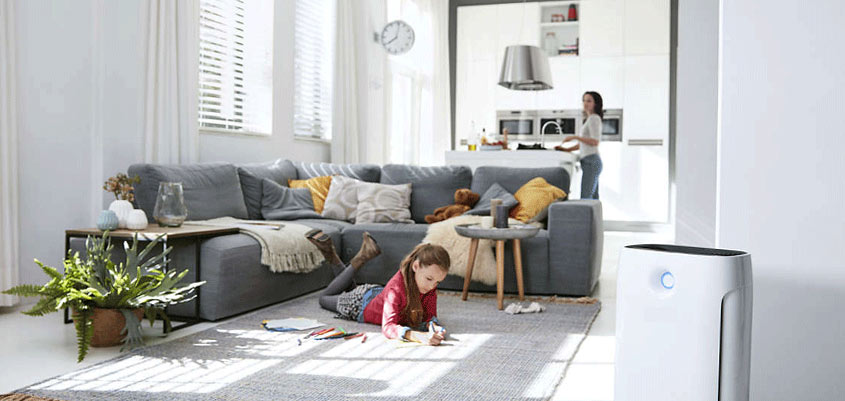
Air Purifiers: Functioning and Possibilities in Our Home
The air we breathe at home can be of poor quality, and for that, we will need solutions like those offered by air purifiers. Are they efficient? We’ll tell you.