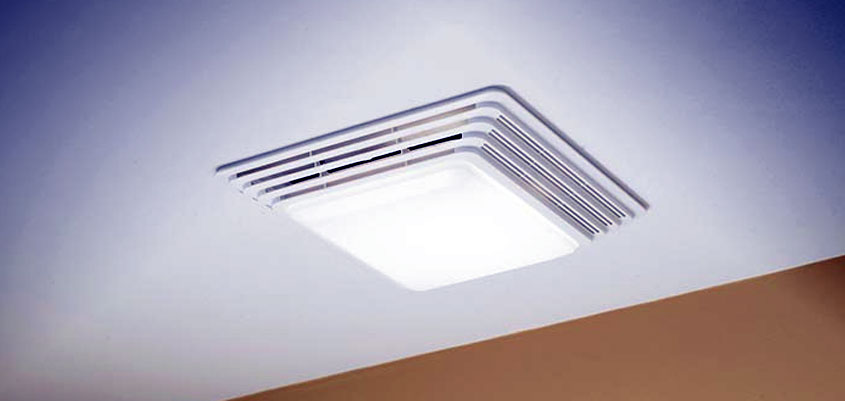
Diseño de los conductos de ventilación para una mejor ventilación
El diseño de los conductos de ventilación es algo primordial en cualquier proyecto de ventilación. En muchos casos, las decisiones se centran en qué soluciones son las mejores en cada caso y en la eficiencia de cada sistema. Sin embargo, algo tan simple -y a la vez complejo- como son los propios caminos por los que irá el aire es imprescindible para que podamos ventilar una estancia de manera correcta.
Los conductos de ventilación son los caminos interiores por los que el aire pasará de una estancia a otra. Están pensados para airear las estancias, pero tienen cierta complejidad, ya que los puede haber de entrada de aire o de salida. Igualmente, el diseño de los conductos ha de hacerse de manera inteligente para no repercutir en costes innecesarios y que el paso de aire sea eficiente.
Según cómo sean de grandes los conductos de paso de aire, y también de cuán largos sean, necesitaremos disponer de una potencia mayor o menor en nuestros sistemas de ventilación mecánicos. Los pasos de aire que son más largos necesitan de una mayor potencia, y todo eso repercute en gastos energéticos.
Por ello, es necesario que el diseño de los conductos de ventilación se haga de una manera estratégica y teniendo en cuenta todos los factores desde el inicio de un proyecto. Porque serán responsables de transportar el aire y con ello mantener el confort en el hogar.
Según el proyecto que se esté realizando, podrá optarse por conductos de ventilación de diferentes materiales y diámetros. También pueden ser aislados o no. Y además de necesitar que se adapten al proyecto al que se destinen de manera eficiente, han de estar en regla con la normativa vigente. Podríamos decir que, según dónde vayan a ser instalados y la función que tengan, es primordial calcular lo siguiente:
- Caudal de aire. Dependiendo del diámetro y distancia que recorran podrán ofrecer un caudal concreto.
- Velocidad del aire. Dependerá igualmente de su diseño y también de la potencia de los sistemas de ventilación que vayan a ser utilizados.
- Pérdidas de carga de aire. Se ha de calcular el total de carga de aire que se pierde debido al recorrido del conducto y a su diámetro, además de otras causas como son los codos en el camino o los giros innecesarios.
¿Cómo crear un apropiado diseño de los conductos de ventilación?
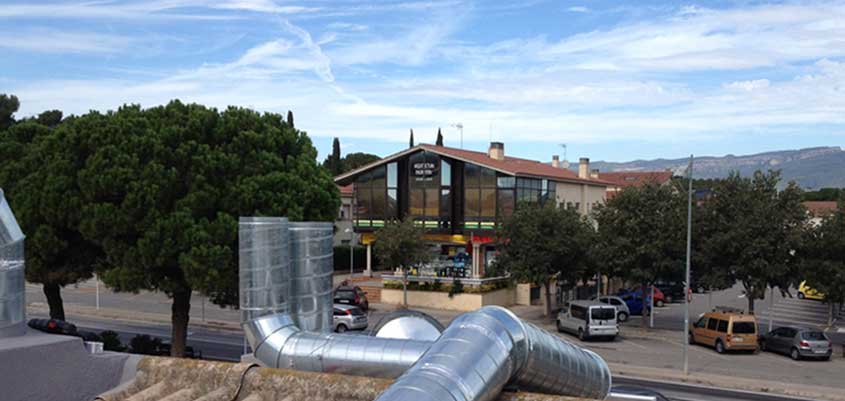
Lo primero para un correcto diseño de los conductos de ventilación es calcular el caudal necesario en cada estancia. A partir de ahí, podremos determinar las dimensiones de los conductos y su recorrido. Junto con el caudal podemos determinar la velocidad a la que correrá el aire por el interior de los conductos.
Para el cálculo del caudal, es necesario seguir la normativa vigente, en este caso el Código Técnico de la Edificación. En el texto se especifica el caudal concreto para cada vivienda, así como el paso de aire máximo permitido para evitar ruidos incómodos. También se encuentran redactadas las especificaciones para aparcamientos y trasteros, además de edificios públicos, comerciales y hoteles.
Tras el caudal, en el diseño de los conductos de ventilación el siguiente paso es determinar la velocidad de paso del aire, que es además probablemente el parámetro más importante para saber cómo ha de ser de largo el recorrido de los conductos.
Las velocidades altas se recomiendan únicamente en el sector industrial, ya que conllevan muchos ruidos y gastos. Estas velocidades serían las de más de 10 metros por segundo. El mismo Código Técnico de la Edificación especifica que la velocidad del aire no ha de sobrepasar los 4 metros por segundo. En otros casos, como son las oficinas o los edificios públicos, puede aumentarse a 6 metros por segundo.
Si el diámetro del conducto es mayor, la velocidad de paso será menor, y eso influye directamente en los ruidos y en las pérdidas de carga. Cuanta más velocidad se dé, mayor ruido.
El tercer elemento a tener en cuenta son las pérdidas de carga en el diseño de los conductos de aire. En este caso, también a mayor velocidad será más difícil no tener pérdidas de carga.
Es muy importante no tener pérdidas de carga, ya que eso haría que los ventiladores no pudieran lograr renovar el aire, o que necesitaran de más potencia. Eso se traduciría en un aumento del gasto energético.
Teniendo en cuenta que es ideal tener velocidades bajas para poder evitar ruidos y necesitar menos potencia, ¿qué podemos hacer para reducir las pérdidas de carga? Hacer que el aire circule de manera más eficiente, crear un recorrido sin giros inesperados, con menos codos y menos reducciones. Cuanto más limpio sea el paso de aire, menos pérdidas de carga. E igualmente necesitaremos menos potencia y podremos tener menos ruidos.
En el caso de los conductos de aire, podemos también aplicar las claves de la ventilación silenciosa, que nos ayudarán a ganar en confort en el hogar. Es imprescindible disponer de una buena instalación y gozar de un gran diseño de los conductos de aire para ser mucho más eficientes en ventilación.

Siber Ventilación
Entradas relacionadas