What should be the ideal humidity level at home?
What is the percentage of humidity or degree of humidity?
Humidity refers to water vapor present in the atmosphere. This amount of water vapor can be measured by absolute humidity, or relatively through relative humidity or degree of humidity.- Relative humidity is the percentage relationship between the actual amount of water vapor in the air and the amount it would need to contain to saturate at the same temperature.
- On the other hand, absolute humidity is the weight of water vapor contained per unit volume of air (Kg/m3).
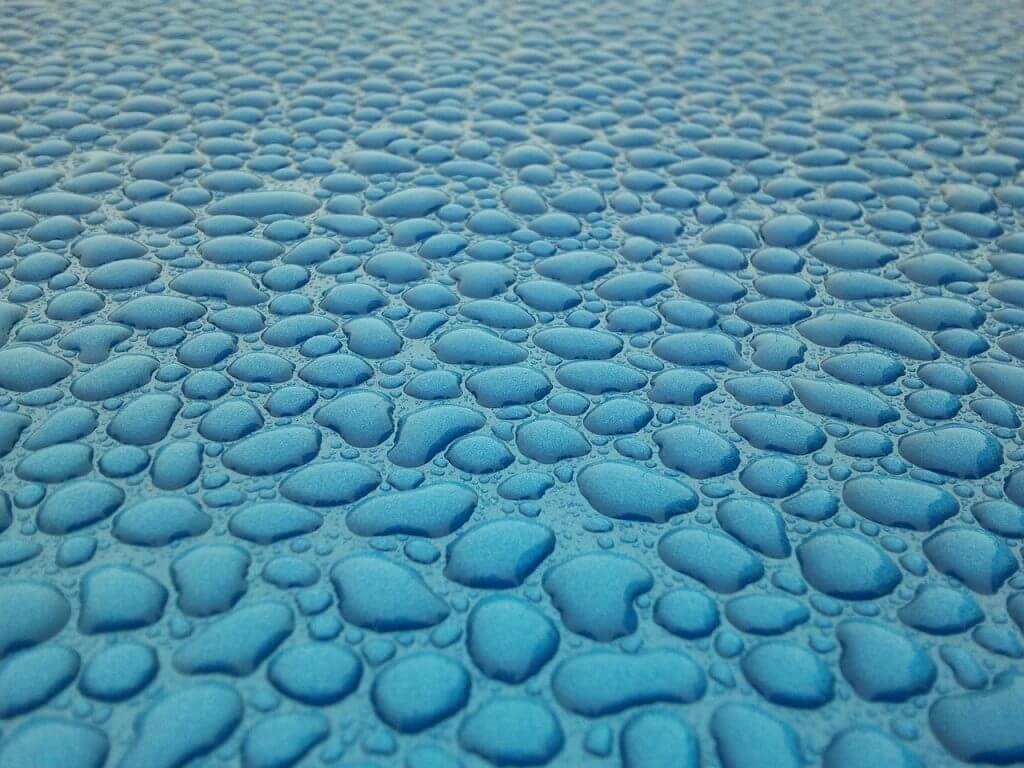
Another important concept related to humidity is the dew point, which is the temperature at which the water vapor contained in a mass of air becomes saturated vapor through temperature drop, leading to the appearance of water drops from the condensation of the vapor present in the environment.
Relative humidity influences comfort at home
This is a very important aspect related to the comfort inside a home. Those drops usually appear in winter on cold surfaces inside the living spaces, such as windows or facade enclosures. To prevent this, vapor barriers and waterproof membranes are incorporated into exterior closures, roofs, or ground slabs in contact with the ground.
Recommended humidity level at home
The humidity inside the living spaces of a home affects not only people but also animals, plants, and objects contained within. If the humidity is excessive, it condenses into water, harming inhabitants due to the formation of mold and the proliferation of bacteria and viruses. It also deteriorates furniture, paint, and walls of the home. Conversely, if the humidity is very low, it affects the mucous membranes and throats of individuals with the well-known sensation of having a dry mouth.A person produces three to five liters of water vapor per day, in addition to the vapor released from food during cooking, from baths, from washed clothes, and from construction materials. The human body produces heat and releases water vapor. Both must be released into the environment, heat by convection and vapor by perspiration. This process can be facilitated or interfered with by the amount of water present in the air, which will affect our sense of well-being and comfort, or the absence thereof. This sensation will also vary depending on the body's activity, whether it is at rest or working. Another factor that notably influences this is the velocity of the air in the environment. Still air or air circulating at a certain velocity alters the sense of well-being.
Regarding humidity, studies have shown that the ideal humidity level at home is in a range between 40% and 60% relative humidity. Below these values, bacteria, viruses, and respiratory conditions start to appear, while above them, the appearance of fungi, mold, and allergic disorders in users is common.


Siber Ventilation
Related posts