Ventilation and thermal insulation, why is it so important?

superadmin
June 28, 2019
In recent times, construction has undergone a revolution in pursuit of energy efficiency. And on the path to much more rational consumption, it is essential to find a way to reduce supply expenses. For this, the airtightness of buildings is paramount, as the need for air conditioning largely depends on it. However, air renewal is fundamental in light of this new reality. Ventilation and thermal insulation are two concepts that are interconnected, two necessary phenomena in current construction.
To achieve good thermal comfort, it is essential to have sufficient thermal insulation. In the past, buildings had practically no elements of airtightness, making the cold very noticeable in winter and in summer necessitating leaving closed places during sunny hours. Mechanisms to mitigate the entry of the elements were not installed in windows or doors, nor in walls or ceilings. If it was a home in an attic, the climatic comfort could be minimal or non-existent.
More recently, it became common to install air conditioning or heating systems in new homes, to achieve sufficient comfort in air conditioning. However, traditional heating and air conditioning systems are very costly, and heating or cooling spaces could be very expensive and negatively impact pollution.
Likewise, with rising energy costs, any home that is not prepared to stop the elements from the outside can be considered to be in energy poverty. This phenomenon is understood to occur when the expenditure on supplies equals or exceeds 10% of the family unit's income. Something that can happen even in families that are not in a state of vulnerability.
The solution for this is thermal insulation. Through air chambers, seals in windows and doors, reinforced ceilings, and other mechanisms, it is possible to create homes that can withstand the cold and heat in interiors. And even without the need to use air conditioning systems at home with the windows closed. The most common solutions for airtightness are as follows:
- Doors and windows must be completely sealed. In windows, PVC material has been shown to be much more durable.
- If a door opens to the outside, it must have a seal that allows it to be completely airtight to ensure comfort indoors.
- Windows can be double-glazed to create an air chamber that prevents the passage of cold and exterior heat.
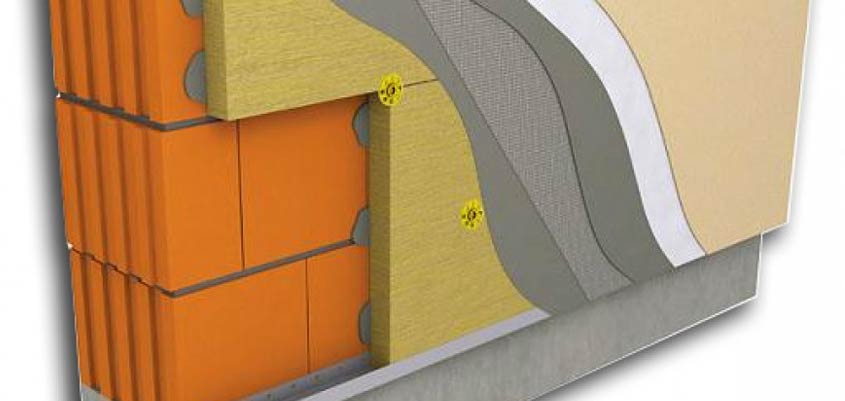
- Walls can be sealed with polystyrene or aluminum sheets.
- The ceiling can be covered with rolls of mineral fiber or glass, which are the best solutions for thermal insulation.
In homes with poor thermal insulation, air easily filtered through doors, windows, walls, and ceilings. Ensuring breathing even with closed doors. This is not the case in thermally insulated buildings.
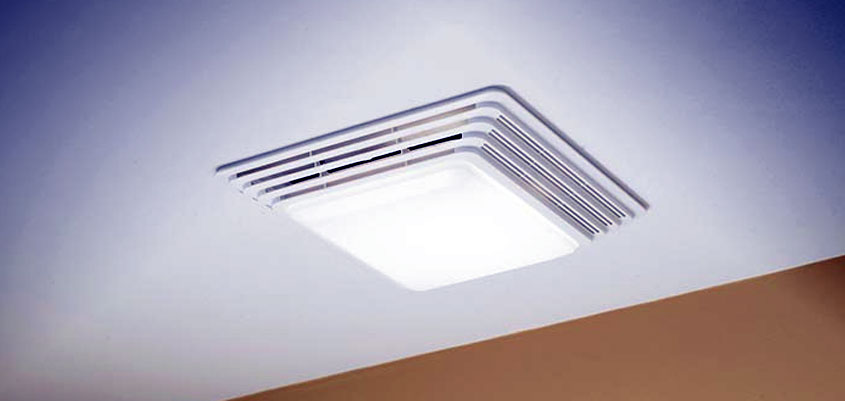
It is at this point where the binomial of ventilation and thermal insulation comes in, since the introduction of air from the outside and the necessary extraction require mechanical ventilation systems.
How to apply ventilation and thermal insulation in a building
When installing a mechanical ventilation system in a building, we can find three main options:- Hybrid ventilation system. The air intake is done naturally—usually through ventilation grilles—while the extraction can also be done naturally, but it must have a mechanical option if necessary, for example, to drive air from the outside. This system is the minimum recommended by the Technical Building Code.
- Single-flow ventilation system. In this case, extraction is usually mechanical to remove stale air of poor quality or to eliminate smoke and humidity. Air intake is done through ventilation grilles connected to the outside.
- Double-flow ventilation system. Both air admission and extraction are done mechanically and automatically through ventilation ducts.

Siber Ventilation
Related posts

Why is mechanical ventilation necessary in homes?