Ventilation in bathrooms, how do we eliminate bad air?
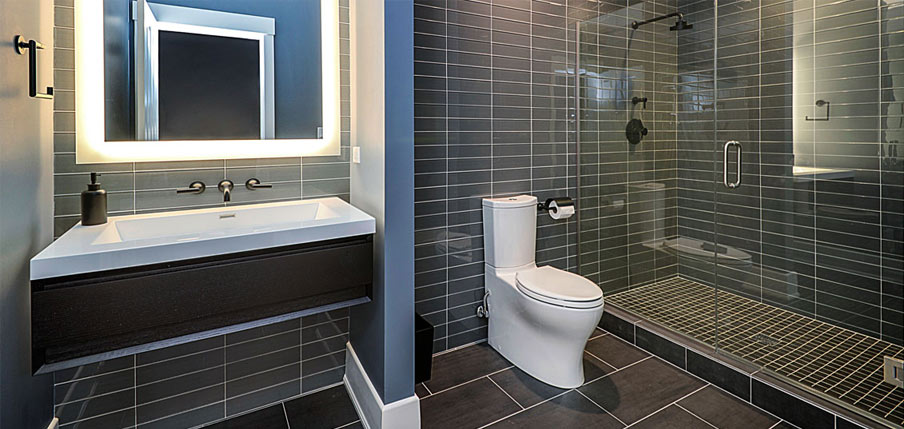
If there is a room in homes where the ventilation that extracts bad air is essential, it is undoubtedly the sink area. With permission from the kitchens -where many odors and fumes that can affect health are also generated-, bathrooms are a space in buildings where a large amount of stale air can be produced. Therefore, ventilation in bathrooms is essential, and this is also specified by current regulations.
The vast majority of bathrooms do not have windows, due to their location in homes, especially in apartment buildings. Therefore, it is vital to ventilate these spaces to avoid the appearance of humidity or mold. The risk can be much greater when humidity begins to condense in sinks, something very common while showering.
An example of how important ventilation in bathrooms is, is that it is necessary for showers or baths to be done with the door closed, as otherwise, the steam escapes to the rest of the house and the humidity problem begins to affect beyond the sinks. However, with the door closed, humidity is much greater inside the bathroom and serious problems can arise, both for health and for the maintenance of the bathroom itself.
Many people open the bathroom door to avoid bad odors and water vapors, but in this way, we do not eliminate them, but rather spread them throughout the home. What is the best solution? Without a doubt, using the sink during the shower or bath with the door closed and having an air renewal system.
Being a humid room -just like the kitchen is-, ventilation in bathrooms must be extraction and not induction of air. This intake will be made in dry areas, such as living rooms, dining rooms, and bedrooms.
The best solution in the home to eliminate water vapors, gases, and bad odors in humid areas like kitchens and bathrooms is double flow ventilation, which is capable of preventing fogged glass in closed bathrooms while introducing filtered and renewed outside air into rooms and living rooms. However, the quickest and most common solution for ventilation in bathrooms is the air extractor in sinks.
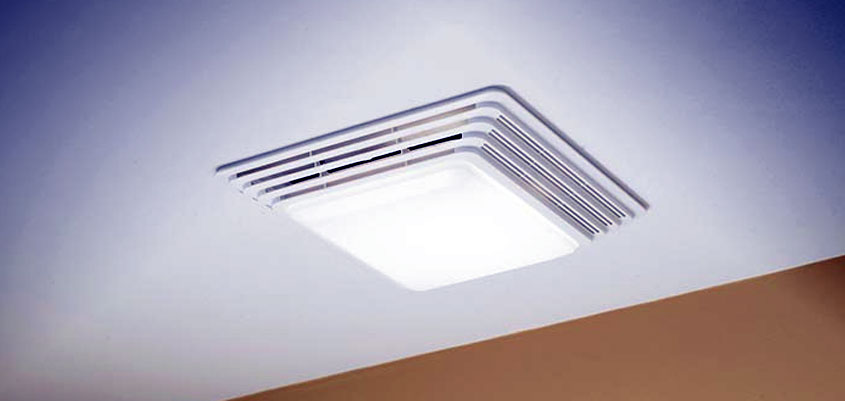
The bathroom extractors are electric fans whose installation is also very simple, being ideal for airing and ventilating our sinks. They are capable of eliminating bad odors and water vapors, as well as gases generated inside the bathrooms. They also help maintain walls, ceilings, and joints in good condition for much longer. Essentially, they extract humidity and steam from sinks and send all the contaminants outside as well. This way, condensation, which is so common in closed rooms where a lot of water is used, is also avoided.
Extractor requirements for ventilation in bathrooms
There are several considerations when choosing a bathroom extractor. Although it is something simple and economical, it is important to keep in mind a series of prior measures for its installation:- The extractor must be capable of achieving an air flow per hour of up to ten times the volume of the bathroom. How do we know this volume value for the bathroom? We must multiply the width by the height and by the length of the bathroom.
- We cannot install bathroom extractors above the shower or bathtub, as they would lose effectiveness and could be damaged. This rule is essential, although it may be disregarded if the distance between the shower and the ceiling is more than 2.25 m in height.
- The maintenance of bathroom extractors is minimal, simply cleaning them once a year by removing the grille and dusting off the accumulated dust.
- The power should not be as much as in kitchen extractors, as bathrooms are smaller spaces. It is common for extractors to operate at powers of 8 to 35 W, depending on their size, the airflow they absorb, and the installation location, for example, if the outlet is far or close.

Siber Ventilation
Related posts

Why is mechanical ventilation necessary in homes?