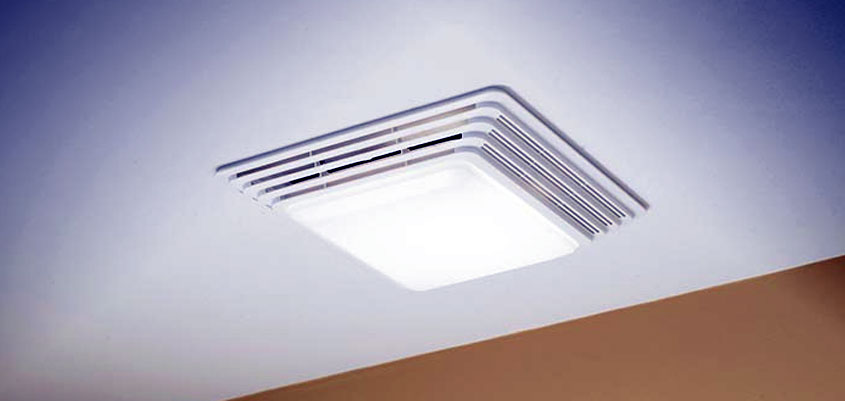
The influence of ventilation systems in office design
Regulatory framework for ventilation systems in offices
As defined by its initials, the RITE is the regulation that establishes the minimum requirements for thermal installations in buildings. It was drafted due to the need to transpose the European Directive 2002/91/EC on energy efficiency in buildings. The RITE in the ventilation section defines minimum objectives that must be met regarding air quality in indoor spaces. This regulation defines objectives based on the intended use of the building.- IDA 1. Air quality: optimal. Mandatory in hospitals, clinics, laboratories, and nurseries.
- IDA 2. Air quality: good. Mandatory in offices, residences, reading rooms, museums, classrooms, and swimming pools.
- IDA 3. Air quality: medium. Mandatory in commercial buildings, cinemas, theaters, auditoriums, hotel rooms, restaurants, cafeterias, gyms, and computer rooms.
- IDA 4. Air quality: low. Not applicable for buildings of usual use.
- External flow per person: 20 l/s or 20 m³/h per person
- CO2 concentration level: 500 ppm
- Air flow per unit surface area: 0.83 l/s . m²
Office design
Workspaces are becoming increasingly flexible and require sophisticated technologies and installations to fulfill their function. A notable example is the "remote employee," who has emerged for the first time in the history of workplaces. This employee is not physically present in the office but participates in teamwork just like those who are. Today’s office spaces are characterized by being open, clear, and aimed at ensuring comfort from the perspectives of lighting, thermal comfort, and air quality. The high degree of airtightness in these buildings requires ventilation systems that ensure air quality without increasing energy consumption due to thermal fluctuations caused by the renewal of contaminated air. In this regard, the most effective solution consists of adapting the renewal flows to the actual occupancy of the premises. Two types of schemes are usually employed:- Single-zone scheme: A fan controls a single space, such as a meeting room. When the adopted solution is "all or nothing," the fan must ensure two flows: the minimum flow and the nominal flow. When the solution is "proportional," the speed of the fan must adapt to the actual occupancy conditions of the space.
- Multi-zone scheme: The fan controls several spaces, such as a meeting room and an office. In this configuration, which must be "all or nothing" or "proportional," the sensors or probes act on the terminals (inlets, ducts, etc.) causing the fan to adapt to variations in demand.


Siber Ventilation
Manufacturer of High Energy Efficiency Ventilation Systems. Siber provides a set of high energy efficiency solutions in wind and mechanically intelligent ventilation, improving the Health, Hygiene, and Comfort of people, being respectful of the environment.
Related posts

air flow
energy efficiency
dual flow ventilation systems
Ventilation systems and components
fans
Constant flow ventilation systems, how do they work?
Constant flow ventilation systems adapt to actual ventilation needs and avoid losses of load or efficiency.
Ventilation systems and components
clean air
air quality
humidity
Air purification
Air Purifiers: Functioning and Possibilities in Our Home
The air we breathe at home can be of poor quality, and for that, we will need solutions like those offered by air purifiers. Are they efficient? We’ll tell you.