The future of buildings: energy efficiency and comfort

superadmin
September 9, 2019
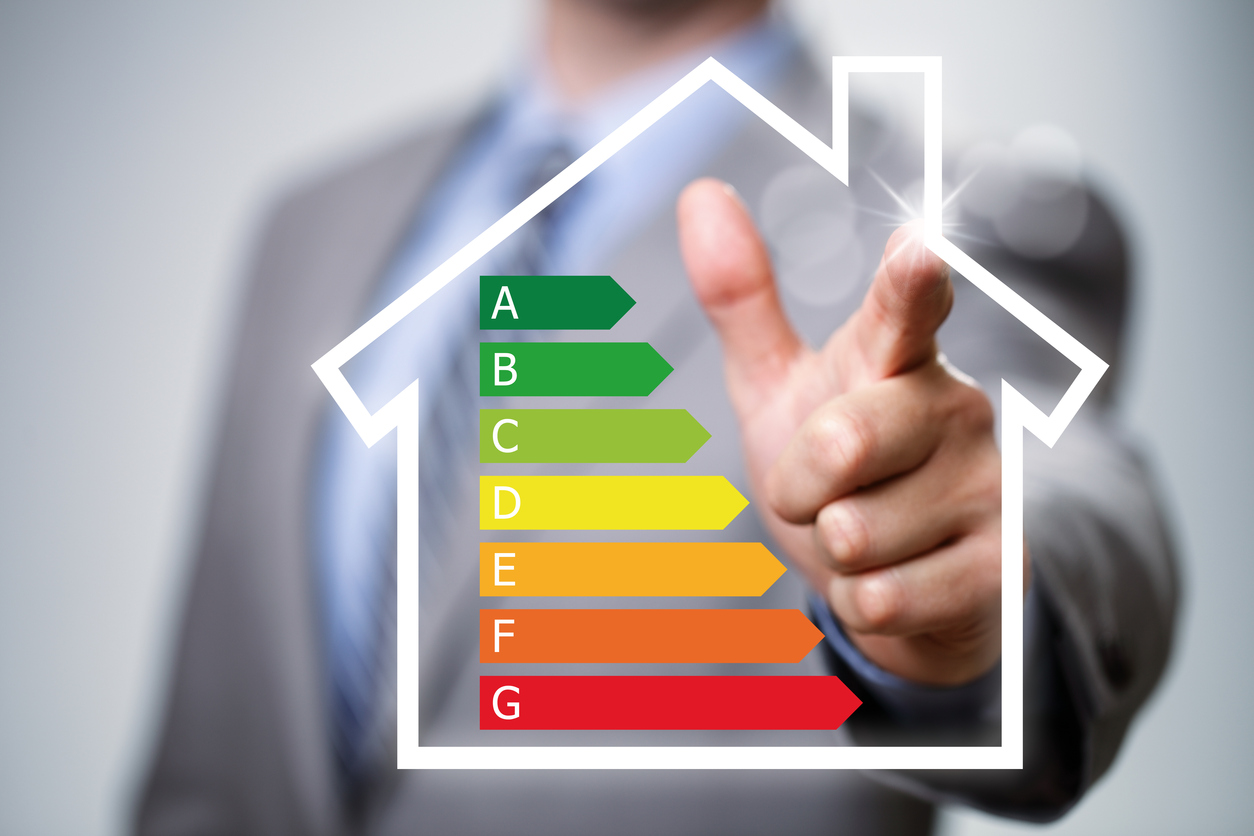
The construction sector is undergoing a change, where energy efficiency and automation have taken a very important position. In 2020, the nZEB regulation will begin to achieve homes and workspaces that require very little energy, and sustainable and ecological homes are already a reality. So, what is the future of buildings? Without fear of being wrong, we could say that it goes through energy savings and also a great increase in comfort.
Currently, energy efficiency is the most important aspect in construction, and regulations make it possible for builders to bet on it. In the Technical Code of Building - and especially in the Basic Document HS3 - it is clearly specified that health and energy savings are fundamental in all homes.
Historically, buildings only had windows to provide the necessary air renewal, and air conditioning two decades ago was based on traditional heating systems and air conditioning equipment. Because of this, energy consumption in buildings was very high. It should be noted that, in our cities, houses, offices, and work centers are the biggest contributors to pollution. Buildings emit the highest number of emissions and pollution.
Health is guaranteed in modern buildings primarily through air renewal. The CTE itself clearly specifies that every home must have some ventilation mechanism, at least a hybrid ventilation system capable of ensuring health. That is why the buildings of the future will undoubtedly have mechanical ventilation systems, which can be:
- Hybrid ventilation system. It fuses natural and mechanical elements. Normally, it renews the air naturally whenever possible. When it ceases to be so, it uses mechanical systems with extraction fans.
- Simple flow mechanical ventilation system. In this case, either the intake or the expulsion of indoor air is performed mechanically at all times. It is always activated, and it is normal for air extraction to be automated while the air entry is through ventilation grilles connected to the outside.
- Double flow mechanical ventilation system. It is the best ventilation solution and the immediate future of buildings. Air extraction is performed automatically through a network of ducts, while the impulse is done through another network. Outdoor air is previously filtered. In addition, this system can guarantee high air quality, as it filters it before entering the rooms.
Energy efficiency in the buildings of the future
As we have mentioned, the future of construction lies in nZEB construction, better known in Spain as Nearly Zero Energy Building. This type of construction will be mandatory starting in 2020 by European regulations, when all buildings will have to comply with it.This is the main future change, aimed at greater energy efficiency, and will be the usual norm in construction for the coming years. What changes will this originate in buildings?
- Minimize air conditioning. It is necessary to bet on passive architecture, which limits the use of air conditioning in summer and heating in winter. Buildings must adapt to the environment and not be affected by climate changes. The orientation of the building is fundamental, but so are thermal insulators, or doors and windows designed to combat cold and heat.
- Less lighting. Approximately 10% of the total expenditure of a building comes from lighting. In addition to betting on LED bulbs, it is necessary for natural light to enter more efficiently.
- Intelligent ventilation and energy efficiency. It is allowed in Nearly Zero Energy Buildings for 30% of the consumption to be for ventilation. In this way, double flow ventilation is sought to become the option for many constructions, as it allows for temperature improvement without depending on traditional air conditioning systems.

Siber Ventilation
Related posts