


Air Purifiers: Functioning and Possibilities in Our Home
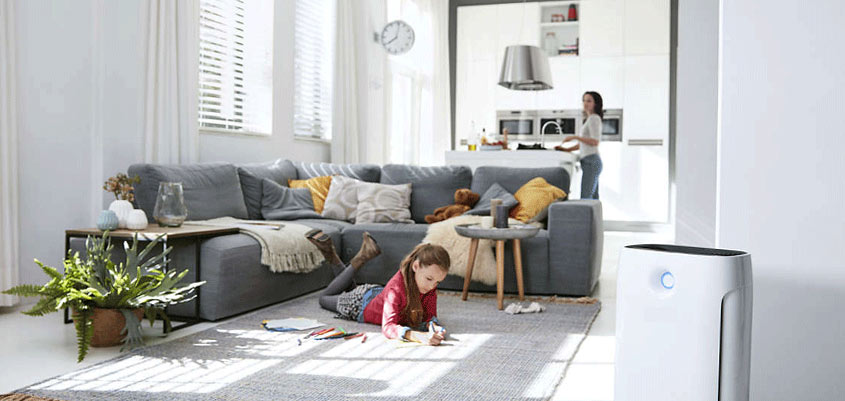
The air we breathe at home can be of poor quality, and for that, we will need solutions like those offered by air purifiers. Are they efficient? We’ll tell you.
Read moreBathroom fan to renew the air in humid rooms
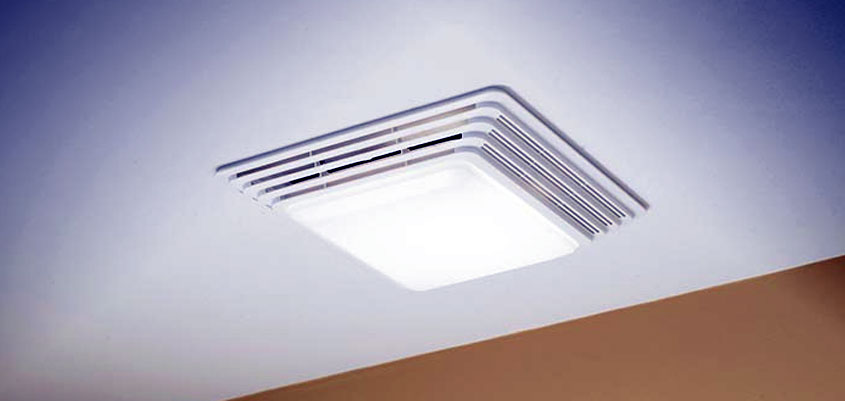
The bathroom fan is essential for eliminating humidity and contaminated air in humid hygiene areas. We explain how it works.
Read moreIndustrial ventilation: air quality and energy savings
Requirements of regulations affecting non-residential buildings. Types of air and savings with an appropriate industrial ventilation system.
Read moreHow do spores affect our health?

Spores are microscopic bodies that participate in the reproduction of organisms such as fungi, plants, or algae.
Read moreC.T.E. DB-HS 3. The air quality. Thermodynamics and aerothermal energy
The C.T.E. DB HS3 requires a series of requirements that must be applied in: block housing, detached houses, row houses, and semi-detached houses
Requirements of the RITE regarding ventilation

At the national level, the RITE, in its latest update in 2013, demands a specific air quality based on the type of building.
Kitchen Extractors: Fundamentals of Their Installation

The quality of indoor air is especially important within a kitchen where fatty vapors, smoke, and odors are released daily.
Do you know where the humidity comes from when it appears at home?
Humidity is always present in our home, but certain pathologies or construction defects cause its condensation.
Regulations regarding ventilation requirements: RITE 2007 and C.T.E.- HS3

The requirements for air quality vary depending on whether we apply the Technical Building Code or RITE 2007 in a specific project
Condensation-produced humidity: frequent causes and possible solutions

Condensation humidity originates when the water vapor contained in the indoor environment of homes condenses. Discover the solutions