








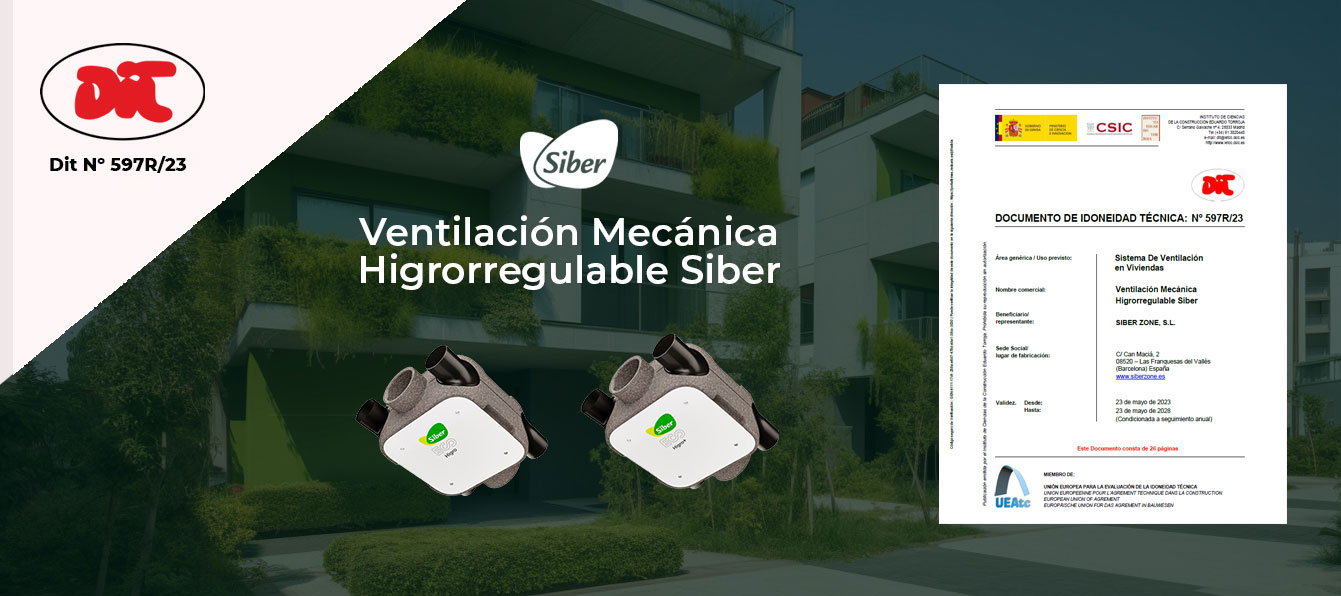
Documento de Idoneidad Técnica (DIT) en ventilación: qué es y por qué el DIT 597R/23 de Siber marca la diferencia
How should a ventilation shunt be to comply with regulations?

According to the regulations, ventilation shunts must be vertical ducts with a uniform section and lack obstacles throughout their length
Read moreRecommended levels of CO2, temperature and humidity indoors
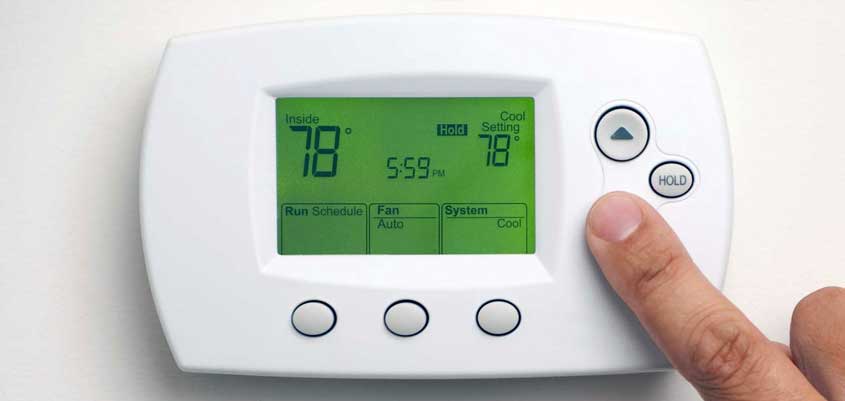
To enhance safety and comfort at home, it is important to know the recommended levels of humidity, CO2, and temperature. We reveal them to you.
Read moreMain air pollutants, learn about the poisons in the atmosphere

From carbon dioxide to hydrocarbons, the main air pollutants are a significant risk to human health and property.
Read moreWhat is ionization and what does it consist of?

Ventilating rooms without windows and closed bathrooms
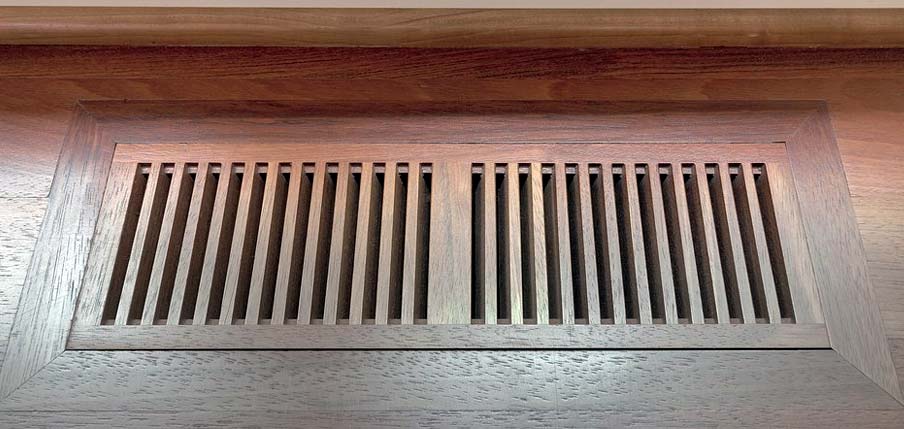
There are places in the home where outside air does not reach, what can we do? We explain how to ventilate closed rooms.
Read moreRITE and ventilation, requirements to comply with the regulations
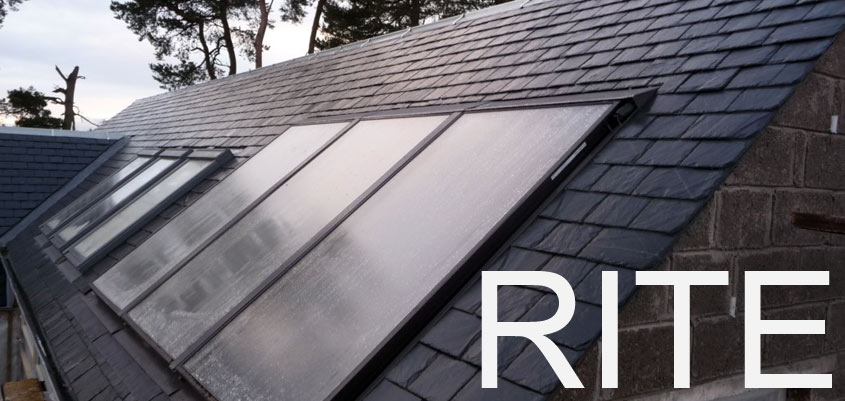
In mechanical ventilation, the RITE indicates a series of regulations to take into account in order to comply with current legislation and ensure health indoors.
Read moreAnti-humidity paint, does it really work or is it useless?
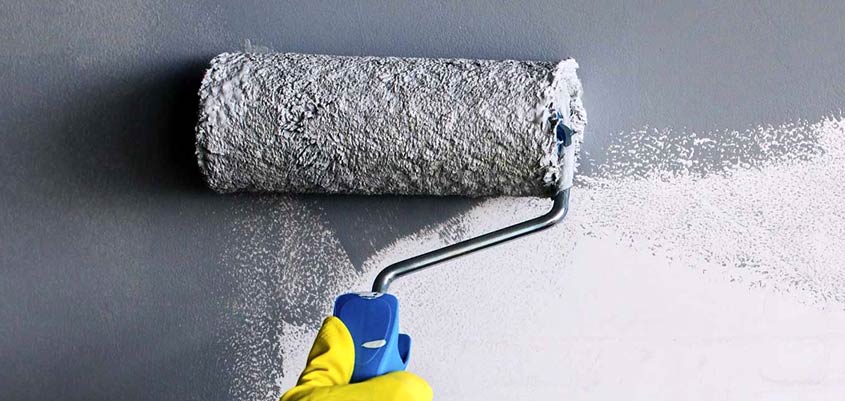
Anti-humidity paint was for a long time the almost magical solution that was offered against humidity in our homes. Is it really a good choice?
Read moreWind energy at home, is it really effective?
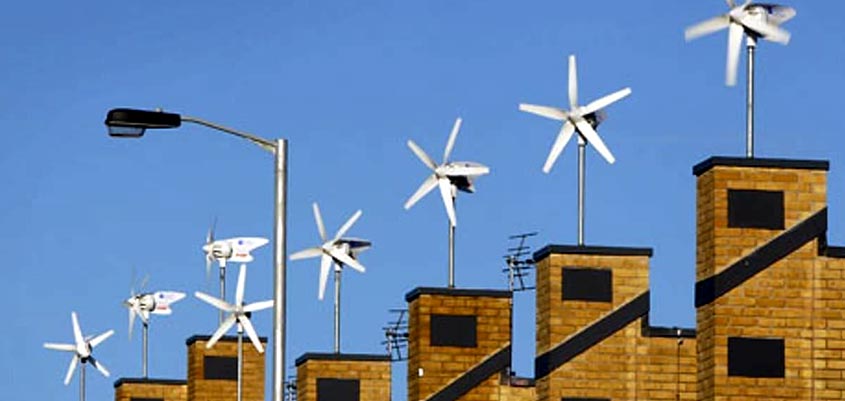
Wind energy in Spain is one of the most successful renewables. But is it also an alternative to consider at home?
Read more