Sustainable and ecological architecture, can we design 'green' houses?
Sustainable and ecological architecture is more a challenge for the present than for the future, and in Spain, the Administration is already starting to timidly implement measures. Although they are still just good intentions, it is said that the rehabilitation of buildings and the construction of green housing could be incentivized to help stop climate change. After all, the largest volume of pollution occurs indoors, and to have more sustainable cities we need ecological buildings.
Sustainable architecture has two main foundations and goes beyond improving energy efficiency in buildings, as it promotes a shift in economic paradigms, focused on resource utilization and respect for the environment. Basically, it focuses on:
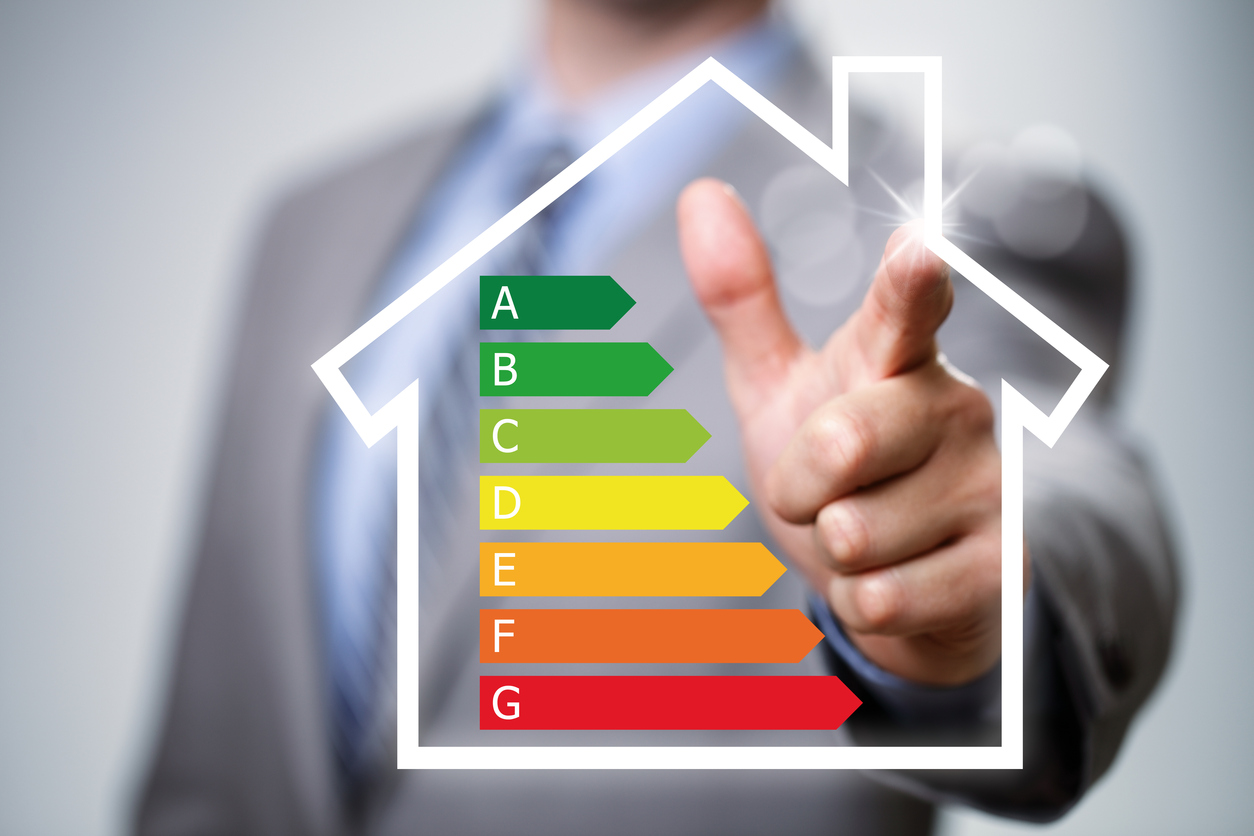
- Maximum energy efficiency. All consumption processes that take place in a sustainable building must be of minimal consumption. Mechanical ventilation systems, materials with high thermal insulation, energy recovery solutions, and other installations are used to ensure consumption is nil or minimal.
- Utilization of local resources. In ecological and sustainable architecture, the aim is for all materials used to have undergone a construction process in harmony with the environment and their extraction and production to have been carried out in local areas.
The perfect example can be found in the Nearly Zero Energy Buildings, the set of European norms and guidelines, which starting in 2020, will make it mandatory in Spain for all construction to meet the strict European regulation proposing housing and workplaces that practically do not consume energy, without relying on traditional air conditioning.
However, this regulatory framework has been underway for a long time, and not many entrepreneurs and architects have bet on it until now, when it becomes mandatory. In other European countries, however, it was not necessary to force them by Law.
In the case of sustainable architecture, something similar occurs. Because all green buildings are of nearly zero energy consumption, but they go much further in this regard. Architecture is linked to demand, and as long as the construction sector does not demand ecological and sustainable solutions, it will be difficult to find design and architectural proposals focused on improving the environment.
Here arises the need for the public Administration to enforce regulations in favor of ecological construction, as in this way, we might see real change. For the moment, awareness can start from private individuals, who when constructing a new home can choose sustainable models. This is not only a first step towards having a more beneficial and low-consuming home but also towards stopping climate change.
Sustainable and ecological architecture in Europe, future of Spain?
While in Spain we still have quite a way to go in ecological and sustainable architecture, we already have outstanding projects and many homes that follow protocols to be green. The mirror to look at is also in Northern Europe, where to combat cold climates, they developed ecological models very early on. Partly because of this, the Passivhaus label was created in Germany, although in our country we have excellent examples of how it has been carried out.
While Germany is one of the countries with the longest history in energy-efficient construction, Switzerland is, for example, a great model to follow in terms of sustainable construction.
What characteristics do Swiss ecological homes have? First of all, ventilation is done mechanically, allowing the windows to remain closed constantly. They are also very airtight buildings, preventing the extreme cold experienced in the country from penetrating, with sealed walls and special doors and windows.
In Switzerland, there is also a great availability of ecological materials to rely on. For instance, wood, which besides its great properties, provides a much more pleasant image of the interiors themselves.
In Spain, it is also possible to find sustainable materials to commit to green construction, alongside a commitment to energy efficiency. Hence, if there is a real change in the regulations proposed by the administrations, we will likely soon find projects of sustainable and ecological architecture that improve people's well-being while helping to recover the environment. Especially in cities, where it is important to breathe better and gain quality of life.

Siber Ventilation
Related posts