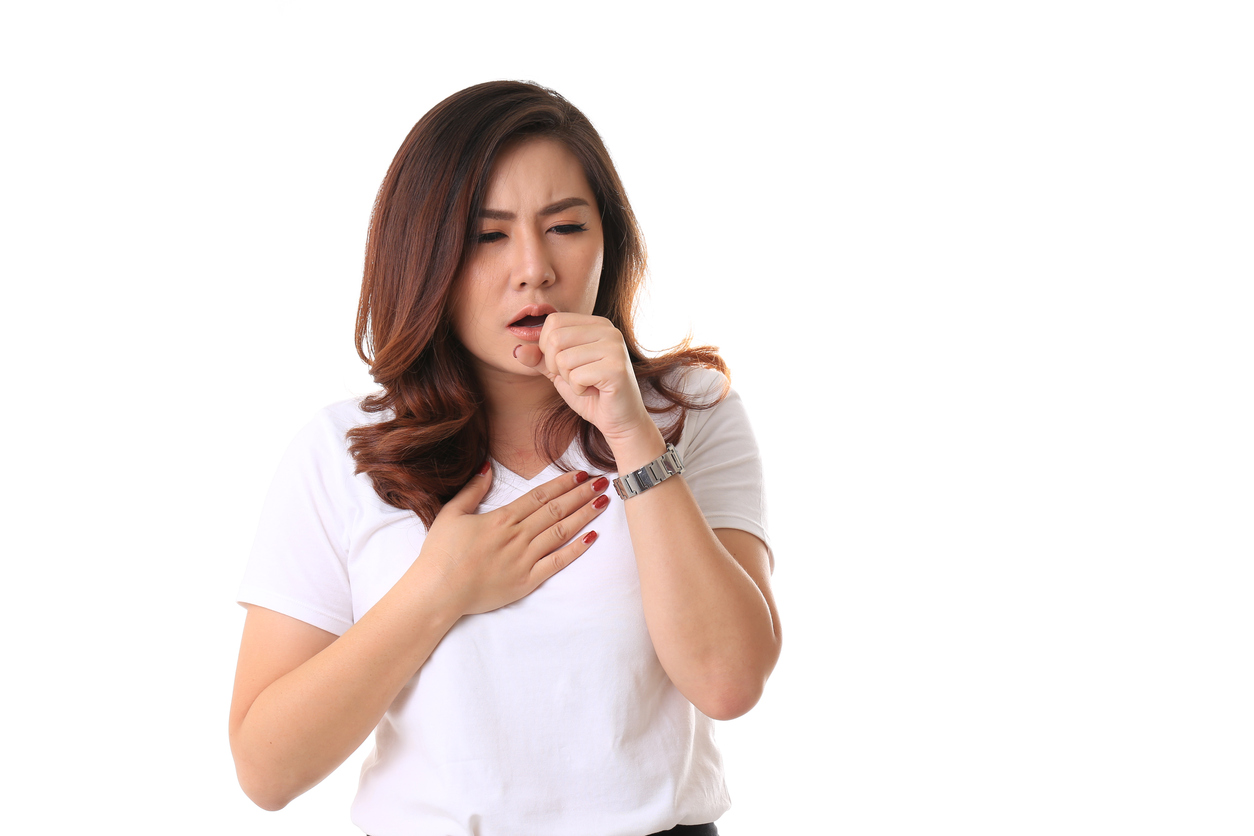
Respiratory problems: avoid them by ensuring quality indoor air
In this article, we will explain all the actions that must be carried out in the ventilation system of buildings to minimize respiratory problems or any other ailments that their occupants may suffer. If we want to avoid the “sick building syndrome”, maintaining optimal quality of the indoor air in our home is a necessity.
Some causes of respiratory problems
An inadequate and deficient ventilation system (that does not ensure the replacement of contaminated air with fresh and clean air), resulting from poor design, or ineffective cleaning and maintenance of the same can lead to microbiological contamination of the indoor air that gives rise to multiple ailments.At times, an excessive use of heating and cooling systems (due to the tightness of buildings as a result of compliance with energy savings requirements established by current regulations) exacerbates the problem, as it prevents the renewal of indoor air and promotes the dispersion of pollutants to all habitable indoor spaces, since only a recirculation of air with contaminated particles occurs.
Other symptoms
Apart from respiratory problems, other symptoms that users of these poorly ventilated spaces may suffer include irritation of the mucous membranes, dryness, hoarseness, skin conditions, dizziness, headaches, etc.The importance of the ventilation system
The dust resulting from the decomposition of construction materials due to contaminated air (with a high presence of microbiological agents) affects the ventilation and air conditioning systems. It is essential, therefore, to keep them in perfect and clean condition, to prevent the dissemination of spores through their ducts.Good cleaning and maintenance will be those that take into account all the components of the installation such as equipment, ducts, and filters (the latter being especially important, as they retain the particles transported by the air).
We must ensure compliance with the following requirements:
- The filters have the required quality and are appropriate for the use for which the installation was designed.
- Maintenance of the filters according to current regulations and the type of filter.
- The air ducts are sealed and prevent dirt from proliferating.
- The air inlets are located in appropriate places, away from sources of microbiological contamination.
- There is no risk of water accumulation inside the system. It should be noted that stagnant water inside ventilation and air conditioning systems is the ideal medium for the proliferation of microbiological agents.
How to achieve a healthy building
The best way to achieve a healthy building and, therefore, prevent its occupants from suffering respiratory problems or any other kind is to ensure that the indoor air of our building is free of microbiological agents. To do this, we must consider the following aspects:- A sufficient supply of fresh and clean air from microbiological agents must be guaranteed.
- Water and dirt accumulation in the ventilation and air conditioning installation must be avoided.
- It must be ensured that the relative humidity of the air in the habitable spaces ranges between 40 and 60% (never above 70%).
- Cleaning and maintenance actions of the ventilation and air conditioning systems must be carried out.
- If microorganisms are detected, the relevant corrective and hygiene actions will be undertaken, either by mechanical or thermal means. It should be noted that during cleaning operations, regardless of the method of sanitation used, we must ensure not to jeopardize the cleanliness and purification of the air, using air purifying devices for this purpose.


Siber Ventilation