LEED energy certification, what does it consist of?
In the field of voluntary energy certificates, there are a few references that can be very valid looking towards 2020, when the obligation of Nearly Zero Energy Buildings will come into effect. When this European Union regulation comes into force, all constructions will have to adapt to high energy efficiency criteria. One good way to achieve this is by applying the seals that already govern similar measures, such as the LEED energy certification.
The initials LEED refer to the name Leadership in Energy & Environmental Design. In English, it would be "Leadership in Energy and Environmental Design". These initials hide one of the most important energy certificates, developed in the United States in 1993, although today it is present in many countries, including Spain.
The energy certificates are voluntary and their purpose is to determine to what extent a construction is environmentally friendly and has systems of energy efficiency. In addition to LEED, the other two major energy certificates of most renown are BREEAM and Passivhaus, both European in origin and also with a significant history in Spain.
The most useful aspect of energy certificates is that they guarantee whether a building can meet minimum standards in energy efficiency and ecology.
Guides are provided to carry out projects that are environmentally friendly and that represent a great energy savings. For the buyer of a property, for example, having an energy seal guarantees how sustainable the home is, which makes LEED, BREEAM and Passivhaus a generous help to validate the sustainability of a building.
Additionally, as mentioned previously, in the Nearly Zero Energy Building energy seals help us meet European goals, for which there are not many guidelines. If a builder adheres to, for example, the standards of LEED, they can achieve a building with energy efficiency.
In the case of LEED energy certification, we can say that it consists of a set of standards to achieve sustainability in any type of building. Some of the proposed improvements are:
- Energy efficiency. Incorporating sustainable climate control mechanisms to thermal insulation installations and better orientation.
- Use of alternative energies. The application of water recovery systems or solar panels is proposed, with sustainable development areas installed in the free spaces of the plot.
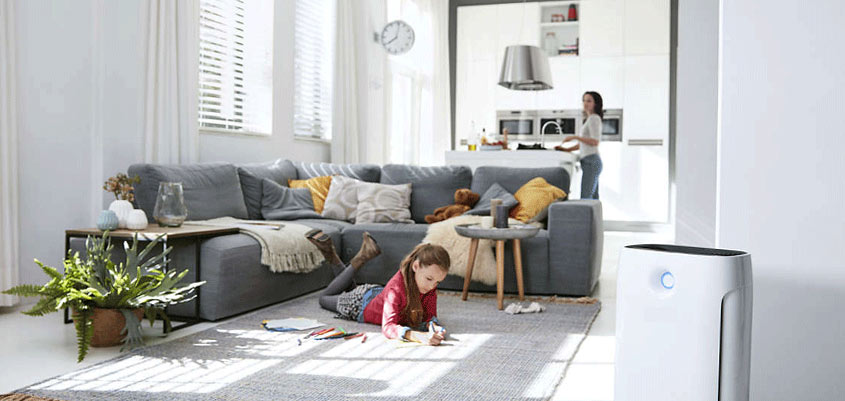
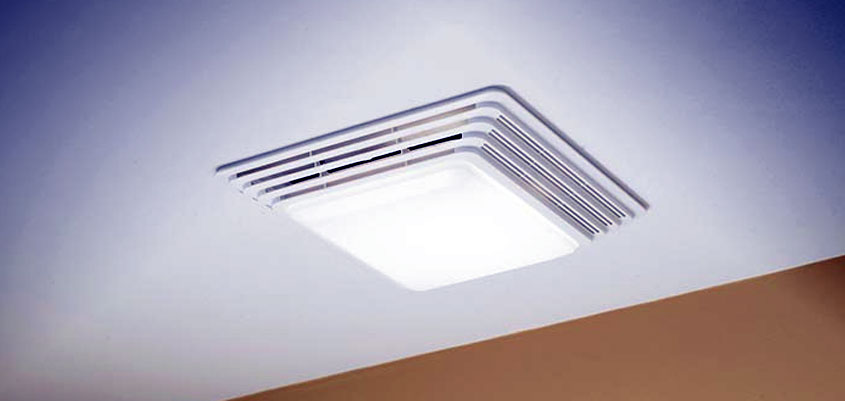
- Improvement of indoor environmental quality. Here, the focus is on mechanical ventilation systems, as they can guarantee the renewal of indoor air and its higher quality.
- Water consumption efficiency. In addition to rainwater harvesting, more efficient use in bathrooms, kitchens, and laundry rooms.
- Selection of ecological materials, from nearby sources and avoiding toxicity.
How does LEED energy certification work?
The LEED energy certification operates through points that buildings must earn, which will grant access to different categories. It focuses particularly on sustainability, water savings, the energy used, and the atmosphere. The number of points will allow obtaining one of the five available categories, from least to most rigorous:- LEED
- LEED Silver.
- LEED Gold.
- LEED Platinum.
It is a system with up to 110 possible points. The minimum for the initial category is 40 and the highest, LEED Platinum, requires 80 or more points.
We can find different types of LEED energy certification related to the type of project:- New Construction. Used for any type of new building, whether residential, office, or a public space.
- Existing Buildings. This is an energy certification for places that are going to be renovated.
- Homes. For houses, focusing on aspects such as energy efficiency and waste management.
- Neighborhoods. Focused on specific areas requiring high ecological efforts on a global scale.
- Educational institutions. For all types of educational buildings, focusing on waste management, respect for the environment, and energy efficiency in all areas of the educational centers.

Siber Ventilation
Related posts

Constant flow ventilation systems, how do they work?