Importance of filters in the ventilation system

superadmin
July 13, 2017
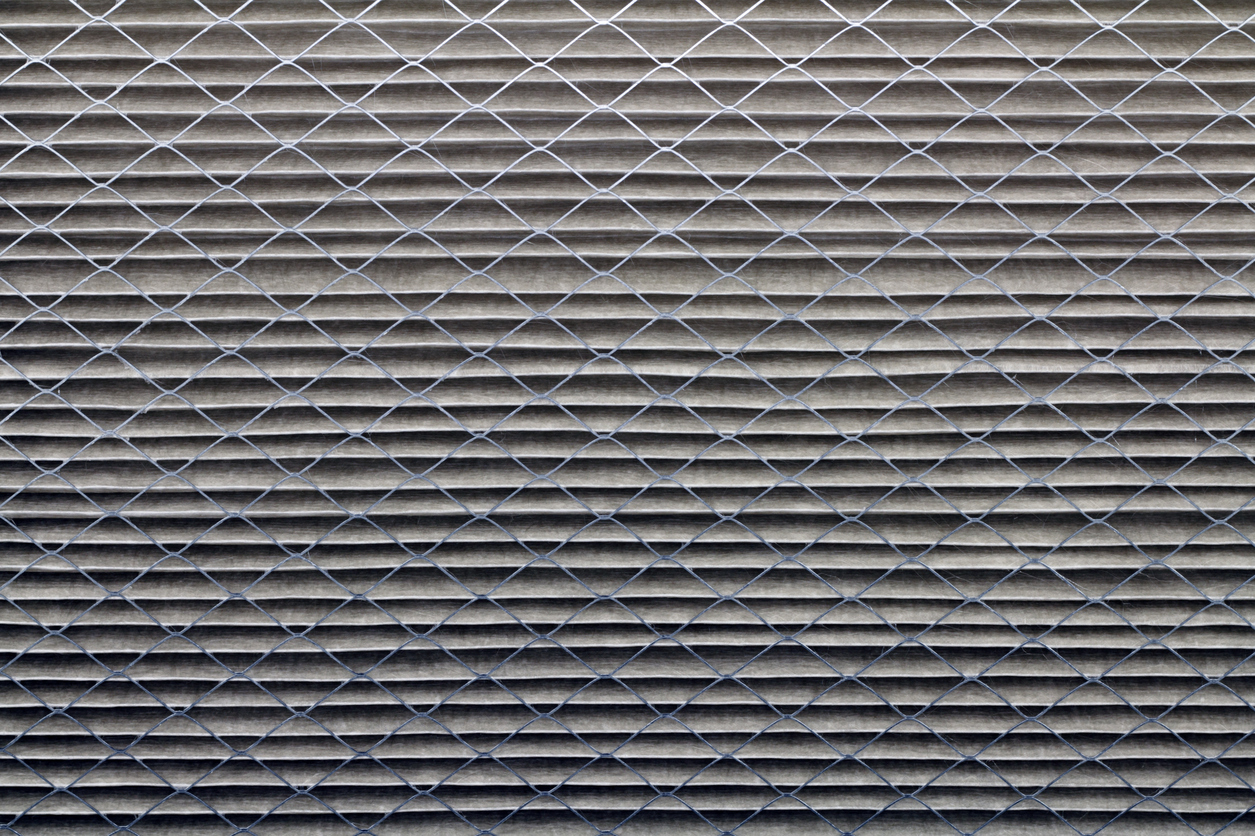
The filters, essential elements in ventilation systems, are responsible for retaining dirt from the air that passes through the supply and extraction outlets. Their purpose is, on one hand, to prevent the various devices and appliances that are part of the system from getting dirty and, on the other hand, to prevent external contamination from entering occupied spaces.
Filters and current regulations
According to the CTE DB HS3 Indoor air quality, the filters of ventilation and air conditioning systems must be inspected every 6 months to verify their condition and cleaned or replaced as appropriate every year.According to the RITE (Regulation of thermal installations in buildings), the filtration of air supplied to the interior of spaces must meet the requirements for indoor air quality, depending on the building's use and the quality of the outside air.
Classification
The standard that classifies air filters is UNE-EN 779 Air filters used in general ventilation for the removal of particles. Determination of the performance of filters. It establishes G-class filters and F-class filters. The former are coarse dust filters classified based on their ability to retain particles. The latter, fine dust filters classified based on their efficiency.Thus, in the first group, the following types are found:
• G1: with a particle retention percentage between 50% and 65%.
• G2: with a particle retention percentage between 65% and 80%.
• G3: with a particle retention percentage between 80% and 90%.
• G4: capable of retaining up to 90% of the particles in the air.
And in the second group, the following:
• F5: with an efficiency that ranges between 40% and 60%.
• F6: with an efficiency that ranges between 60% and 80%.
• F7: with an efficiency that ranges between 80% and 90%.
• F8: with an efficiency that ranges between 90% and 95%.
• F9: with an efficiency of up to 95%.
As established in the Regulation, F5 class filters can only be used when the air treatment unit (UTA) does not include a heat recovery system and when the indoor air quality is of moderate quality (IDA 3) or lower (IDA 4).
Filters within ventilation systems
It should be noted that when selecting the appropriate fan for the system, the pressure loss caused by dirty filters must be taken into consideration. This information must be detailed by the manufacturer. However, when two filters are arranged in series, they may not become dirty in the same way or to the same extent. Specialized technicians should study the system to establish pressure losses and assess the flow changes that dirty filters cause. They should also consider incorporating frequency changers to balance the pressure loss of the filters and ensure that the outlet pressure (flow rate) is constant.Air filters and health
To ensure a quality indoor air in our buildings, it is vital to incorporate effective high-quality filters that retain the contaminating particles from outside air. Remember that filtered air is the ideal solution to the allergy problems that occupants may suffer from due to particles of dust, dirt, or soot that air can carry.

Siber Ventilation