





Humidity in cold waves: protect your home from its harmful effects
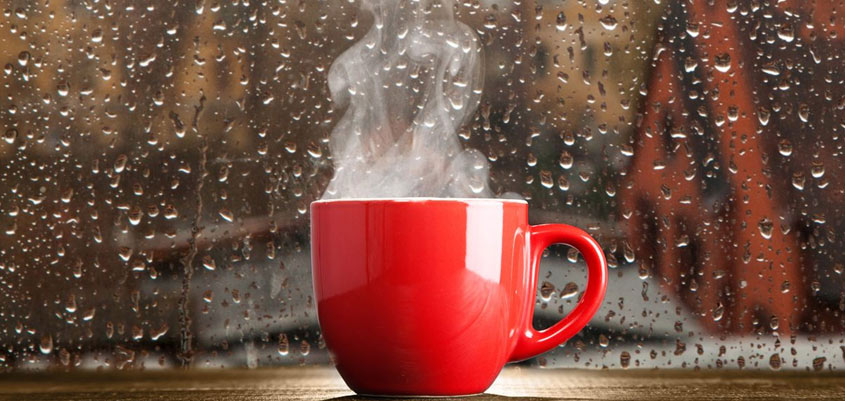
One of the worst enemies of your home is water vapor in the air, and it is even worse when the weather doesn't cooperate. The cold greatly enhances its harmful effects, and it is important to know how to protect yourself from humidity during cold waves, a phenomenon that can be very damaging to your home if it is not prepared to combat it.
The first months of the year are those which usually suffer the most cold waves, as has been seen in the United States, where some cities have seen temperature drops of up to -30ºC. The humidity in the environment significantly influences the thermal sensation and how cold affects us, but not only outdoors. Inside our homes and workplaces, humidity is also an enemy to consider.
The most common question is how humidity affects in winter. And to answer it, we must consider that many studies explain that if there is greater humidity, our body evaporates less water, which gives a sensation of less cooling, which is why in summer, humidity can make us suffer more. However, if we extrapolate this theory to the cold months, we would think that a humid place in winter should be more bearable. But it is not so.
The fact that humidity in winter worsens the thermal sensation is due to the fact that people wear clothes. The water vapor in the air can create a slight layer of humidity on the fibers of our clothing, which will remove heat from the fabrics we wear, making us feel colder in winter.
Thus, when someone tells us that they felt very cold on a day of high humidity, they are surely right. Therefore, we could conclude that humidity during cold waves can certainly be a huge problem for health and also for comfort. Are our homes prepared? Primarily, we must combat humidity in the home. But unfortunately, too many homes that do not do so are also not prepared to face major drops in temperature.
Moreover, humidity in homes can have serious consequences for health if we neglect it. In cold and winter times, it is possible to develop prolonged colds over time, and the cause may not be the cold, but the humidity.
A humid environment in winter can cause diseases that persist over time among those who inhabit such rooms. These ailments can originate from poor ventilation or from a humidity level that is too high.
Chronic bronchitis, irritation of the eyes and throat, asthma, sleep problems, or headaches are some of the issues caused by water vapor in the air during winter. Imagine then how these problems can worsen with humidity during cold waves inside our homes.
How to combat humidity during cold waves?
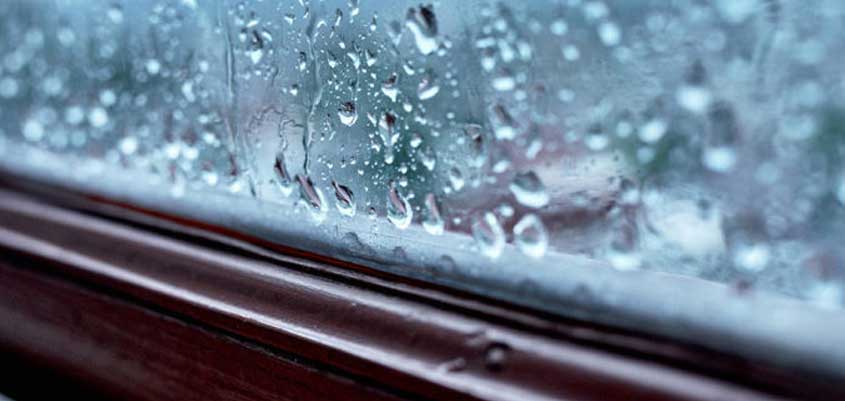
If in winter the water vapor is more noticeable than in summer inside our homes, we must be careful with humidity during cold waves. To identify if we have a problem of humidity at home, we can consider these aspects:
- Bad odors are usually a sign that we have a humidity problem. Even more so with windows and doors closed.
- The presence of mold or stains is the main indicator of humidity in the house.
- If you frequently suffer from respiratory problems, there may be an excess of humidity at home.
- The main action must be to ventilate the rooms. If you do not have a ventilation system, the minimum will be to open the windows, which is the simplest way to tackle condensation problems. Although in coastal areas it may be that the outside temperature is more humid than the inside, which could be a problem.
- A simple solution that is also not expensive is the dehumidifier. This simple device will reduce the water vapor in the air in our homes.
- Insulating walls is a way to address the problem at its root. It is not enough to just paint them; it is essential to make them more airtight. For example, by covering them with insulating materials like plasterboard or air chambers. This will also give us cooler summers and warmer winters at home.
- Heating is an enemy of quality air in many cases and can increase humidity.
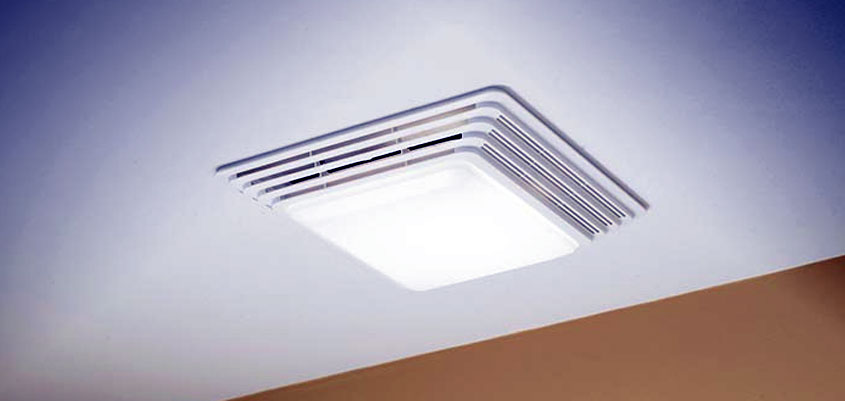
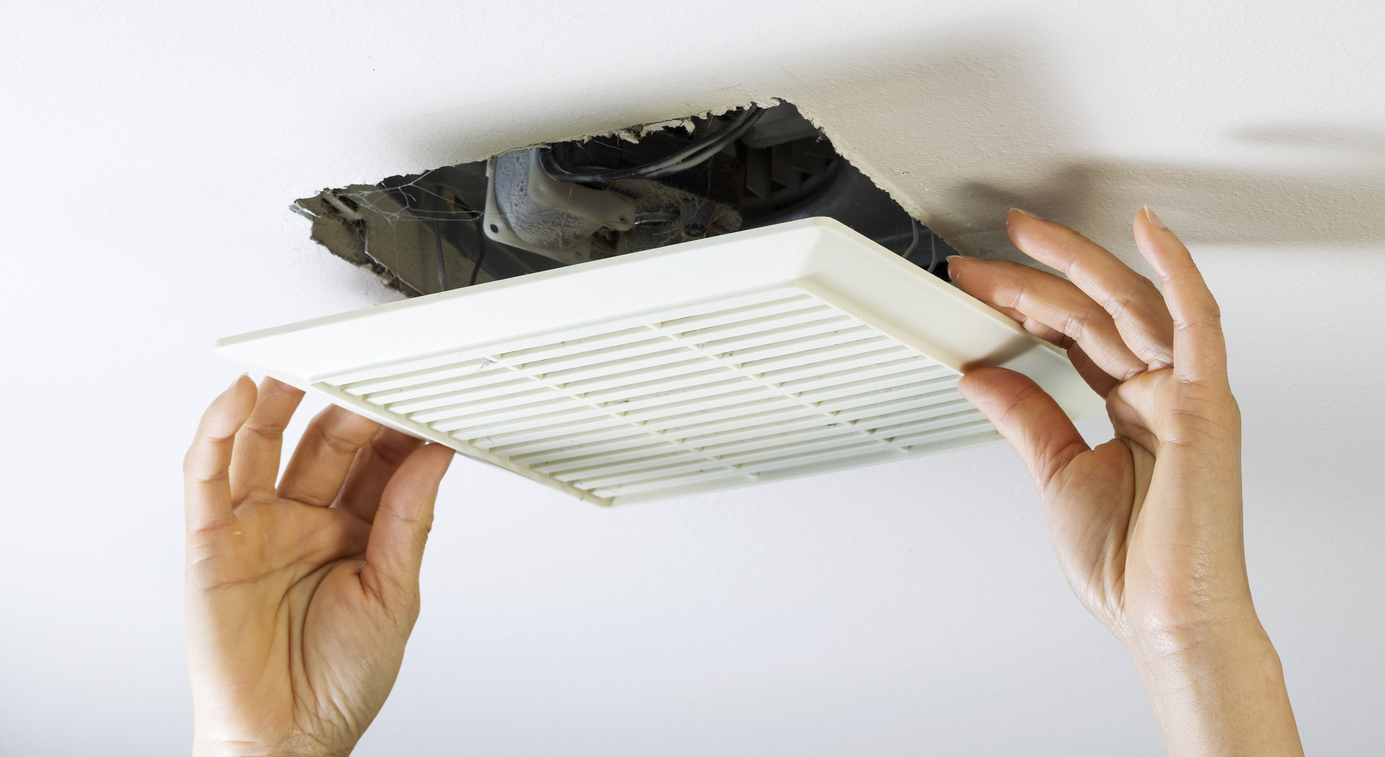
- Using bathroom extractors and kitchen hoods is another great option to rid ourselves of poor-quality air in the humid areas of the house.

Siber Ventilation
Related posts