





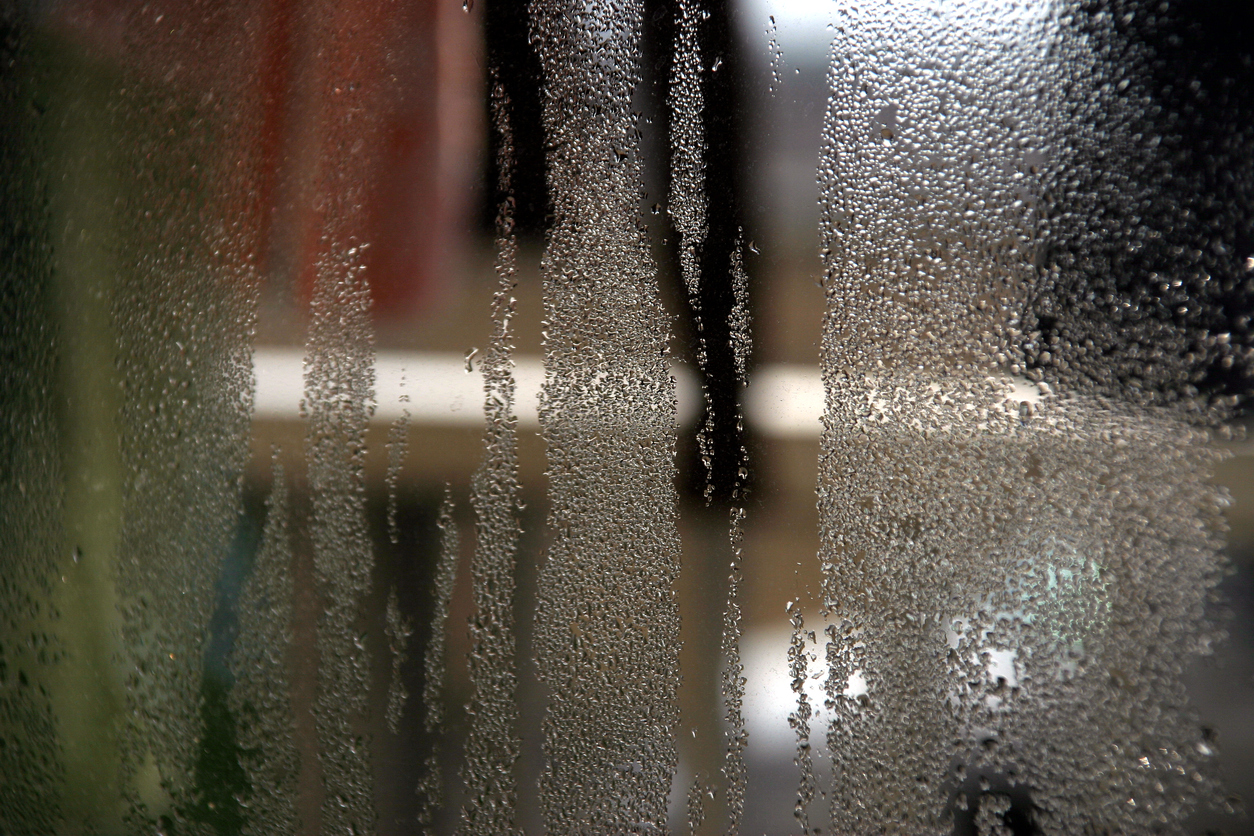
How to prevent water vapor condensation in your home
Water vapor condensation indoors occurs when the relative humidity rate exceeds 70%. In addition to representing a problem for our thermal comfort, it poses a risk to people's health, as it is in the accumulation of water where microbial organisms find the ideal environment to proliferate and spread. Furthermore, it also promotes the appearance of various chemical components in the air (formaldehyde segregation from constructed elements in engineered wood) and the general deterioration of the building. Do you know how to prevent condensation to prevent excessive humidity from affecting your health and the condition of your home?
Preventing condensation: a matter of regulations
Preventing water vapor condensation is a matter of health and regulations. The Technical Building Code, in its Section HS 1 Protection against moisture, states that “the foreseeable risk of inadequate water or moisture presence within buildings and their enclosures due to water from atmospheric precipitation, run-offs, ground, or condensations will be limited by providing means to prevent its penetration or, if necessary, allow its evacuation without causing damage”.Ventilation as the best preventive measure
Humidity from water vapor condensation originates when the water vapor in the environment, generated by high relative humidity, comes into contact with elements that are at a lower temperature, changing from a gaseous to a liquid state. To reduce humidity in the environment and consequently avoid water vapor condensation, it is important to ensure proper ventilation of spaces, blowing in drier air to expel this humidity outside.Since external conditions are not always favorable (as there are days with thermal inversions or when the outside air contains excess humidity), the best way to ensure air renewal in indoor spaces is through a controlled mechanical double flow ventilation system. Thanks to the sensors these systems include, we ensure that the supplied air has appropriate humidity levels that do not compromise the comfort and well-being of the occupants.
How to prevent condensation: other factors to consider
In addition to ensuring proper air renewal inside our home, there are other factors to consider to prevent problems stemming from excessive humidity:• Increase the thermal insulation of our home and install exterior joinery with high technical performance (with double glazing, thermal bridge breakage, low-emissivity glasses).
• Operate the extractor hood while cooking, to expel contaminated air and cooking vapors. According to Section HS 3 Indoor air quality of the CTE (in its latest version of June 23, 2017), kitchens must have a specific additional system, independent of the general ventilation system, to ensure a minimum extraction flow of 50 l/s.
• Use bathroom extractors whenever the space is in use, especially during the shower and bath. It is worth noting that bathrooms are the rooms in the house that generate the most humidity, as during the shower (or bath) a significant amount of water used evaporates and enters the air. A bathroom extractor will ensure the removal of much of this water vapor.
• Do not overuse heating systems during cold seasons, as they encourage air recirculation. Furthermore, since condensation occurs when there is a temperature difference between two faces of the same element, if we excessively increase the temperature indoors, condensation will occur (if thermal bridges of the building envelope are not controlled).


Siber Ventilation