



Ecological rehabilitation, efficient solutions for buildings
For some, the very rehabilitation of buildings and houses can already be considered a way to be more ecological with the environment by reusing existing structures. But it doesn't always have to be this way, as ecological architecture is based on, for example, making homes much more efficient, and if the rehabilitation does not meet efficient criteria, in the long run it can incur a higher energy cost. For this reason, there is ecological rehabilitation, which proposes improvements in buildings, such as a natural ventilation system that minimizes the use of traditional energy.
In any case, there are some studies that claim that rehabilitating a building instead of demolishing and rebuilding it already saves 60% during the construction process. But much more can be achieved if we opt for ecological rehabilitation, which involves implementing a series of measures to overcome the problems of energy efficiency that many old buildings tend to have.
In this regard, the ventilation of the building to be rehabilitated and its climate control will be the most important points for the work to be considered ecological rehabilitation. The goal is to achieve lower energy demand in the property thanks to a specific climate conditioning.
There are options such as green roofs or the installation of gardens to support the use of ecological materials or more efficient exterior insulation.
Sustainable ventilation in ecological rehabilitation
[caption id="attachment_3343" align="alignnone" width="845"]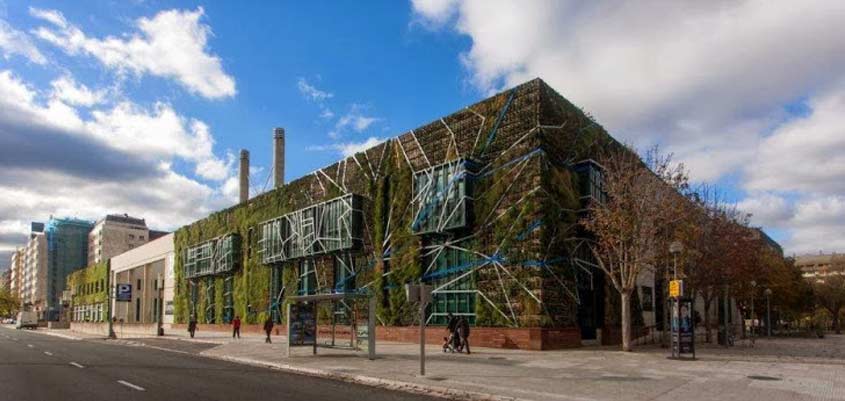 The Congress Palace of Vitoria is an example of ecological rehabilitation. It has a green wall to achieve more efficient ventilation and better energy efficiency.[/caption]
As we have said, ecological rehabilitation must represent an energy saving in the renovation of the building during the construction process. But above all, it must create a model of efficient consumption so that savings are achieved in the useful life of the property.
There are several aspects to consider that can mean that a rehabilitation project was sustainable. These are some of the most important:
- The useful life of the property must be greater than it was before rehabilitation.
- The maintenance of the building must represent energy cost savings; the renovation must serve for better efficiency and lower use of heating or air conditioning systems due to improved ventilation.
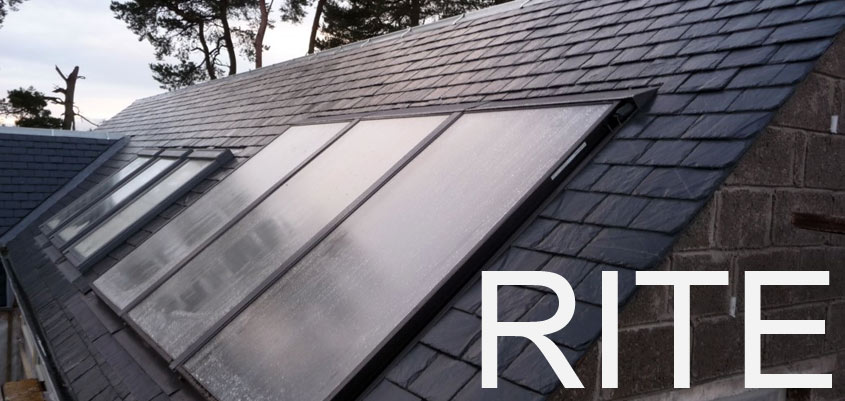
- In some cases, other types of ecological systems can be installed, such as solar panels on the roof of the building.
- Apart from energy factors, ecological rehabilitation must also mean an improvement in the quality of life for those living there.
One option is to install a ventilated roof, as this allows for better conditioning of the home against temperature changes. But creating air currents at various points in a building is also essential. One option to consider is what we could call plant-based air conditioning. And it is the one we can see in the sustainably renovated Congress Center of Vitoria.
The Vitoria congress building uses a whole plant structure that connects an interior and exterior garden with a mechanical ventilation system, which allows for replacing a good part of the use of air conditioning equipment.
These solutions that utilize air currents through a garden are ideal for multi-family buildings, where several families can live, as the different owners can agree without causing inconvenience to those living there.
Because in ecological rehabilitation it is important that all elements be as natural as possible. It is also necessary that the materials used for construction are sourced from the area closest to where the project is to be carried out, to promote local development and avoid transportation costs, which always involve greater fossil fuel use when trucks travel by road.

Siber Ventilation
Related posts
Why is mechanical ventilation necessary in homes?

Constant flow ventilation systems, how do they work?