




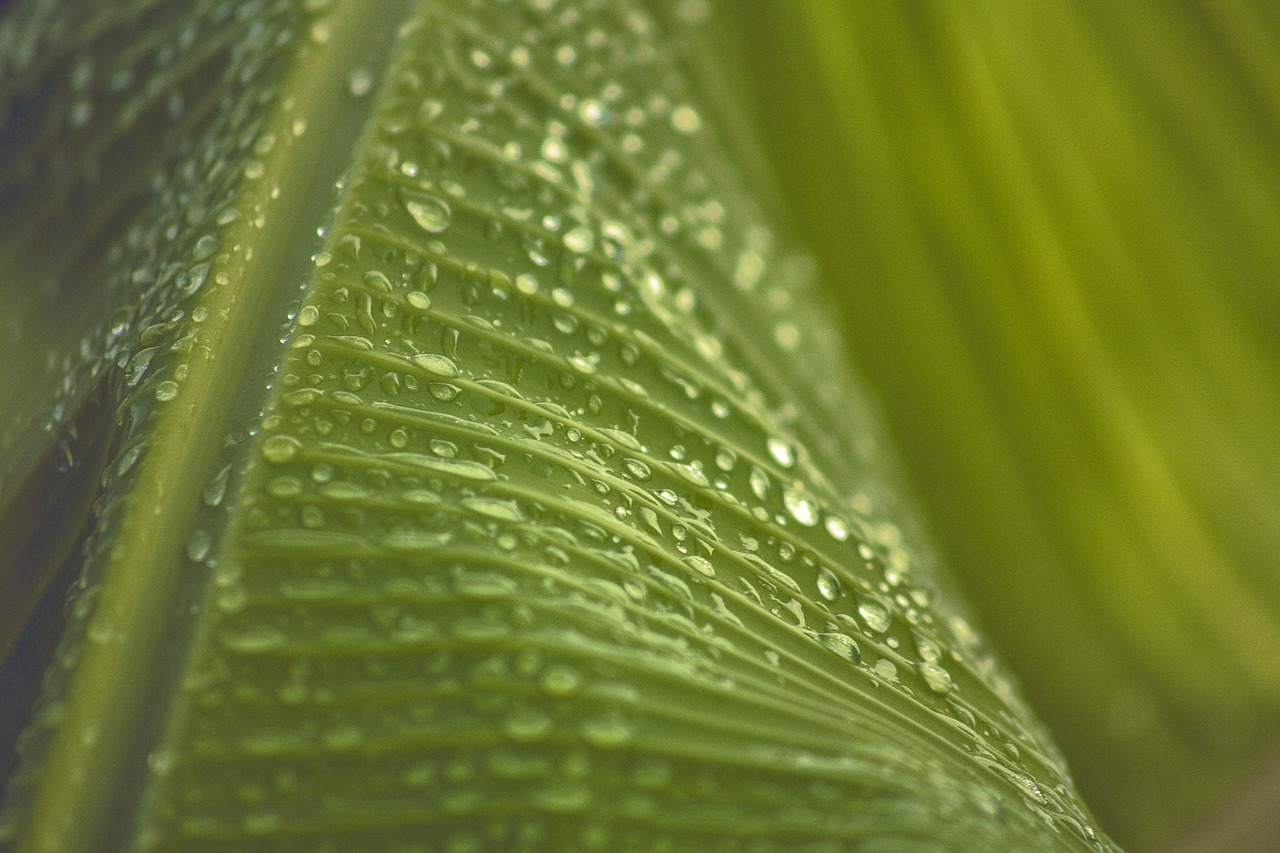
Do you know the difference between absolute and relative humidity?
Absolute and Relative Humidity
Absolute humidity is defined as the weight of water vapor contained per unit volume of air, usually measured in Kg/m3. It can also be expressed as the weight of vapor per unit weight of dry air. On the other hand, relative humidity is the quotient between the weight of the water vapor contained in a volume of air and the weight of saturated vapor for that same volume, as reflected in the following mathematical expression:Z (%) = (Weight of vapor/Weight of saturated vapor) x 100
Hygrothermal Comfort
The dry air temperature is the temperature of the air surrounding a person. The difference between this temperature and the skin temperature of an individual determines the heat exchange that occurs with the environment. This is known as the heat exchange by convection. Heat can also be exchanged by radiation when two different surfaces, such as skin, a wall or the ceiling, are at different temperatures. In this case, heat is transferred from the hot surface to the colder surface. This is why it can be pleasant in winter to be inside a home whose interior is at 15 °C, and the walls at 22 °C, since immediately they will radiate heat to the objects and people inside. Humidity also actively influences our sense of warmth. Our body eliminates excess heat through perspiration which decreases as humidity increases. For this reason, a dry heat environment is more pleasant than one with higher humidity.The air velocity also significantly influences the thermal balance of our metabolism. As it increases, it will also increase the layer of air that insulates us, and increase the evaporation of sweat. Our clothing also alters our sense of comfort. The greater the thermal resistance exerted by clothing, the more difficult it is for our body to give off some heat to the environment. In this way, thermal comfort can be achieved once a balance is reached between the heat our body generates due to the amount of energy we need to accumulate for our daily activities, and the heat it is able to transfer to the environment.
Hygrothermal comfort is a very important aspect to consider within workplaces. To achieve it, the temperature should be between 17 °C and 27 °C for sedentary work, or between 14 °C and 25 °C for light work. The limiting humidity values, in turn, are between 30% and 70%, except when there is a certain risk of static electricity, in which case it should not be lower than 50%. Regarding air velocity, it should be maintained below 0.5 m/s for sedentary work or below 0.75 m/s in other cases.


Siber Ventilation
Related posts

Optimal comfort: hygiene and healthy contaminant levels

Comfort in architecture, what is it and how does it improve our well-being?