Carbon monoxide poisoning, how to prevent it?
Winter arrives and with it the heating, braziers, and fireplaces. Because, of course, we have to combat the cold. But with the use of these heating systems comes a very serious problem, the possibility of carbon monoxide poisoning. Poisoning through the air occurs due to poor ventilation. The fatal consequence is that the air mixes with an odorless gas that gives no warning but takes thousands of lives worldwide every year.
In Spain, there are about 2,000 cases of carbon monoxide poisoning every year, of which up to a hundred end in death, according to official data. What is the cause? The poisoning caused by the accumulation of this gas in a room caused by gas heating systems, braziers, or burners.
Other poisons give warnings. But carbon monoxide poisoning is almost undetectable. It produces no type of smoke, has no smell. It also does not cause irritation. When someone is exposed to it, they simply feel sleepy and drowsy. It causes a sweet death, where those affected do not realize what is happening. That is why it is more dangerous than others.
The main cause of this poisoning from carbon monoxide is poor ventilation efficiency, usually caused by a bad state of the heating systems. A gas percentage lower than 1% in the air can be lethal. How to prevent it?rn
Identifying carbon monoxide poisoning
rn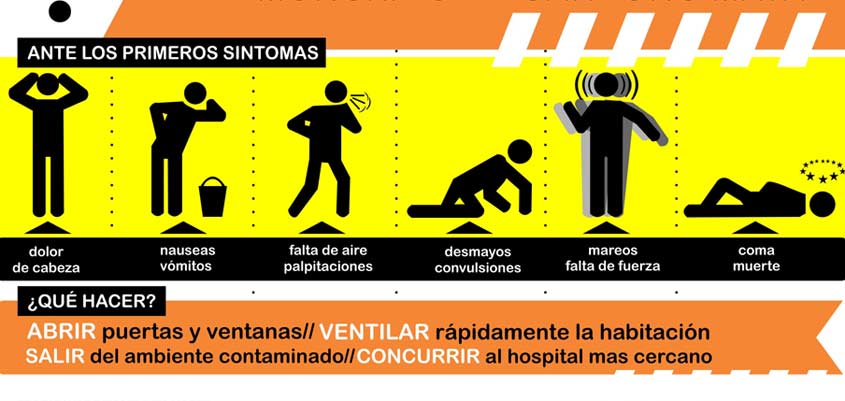
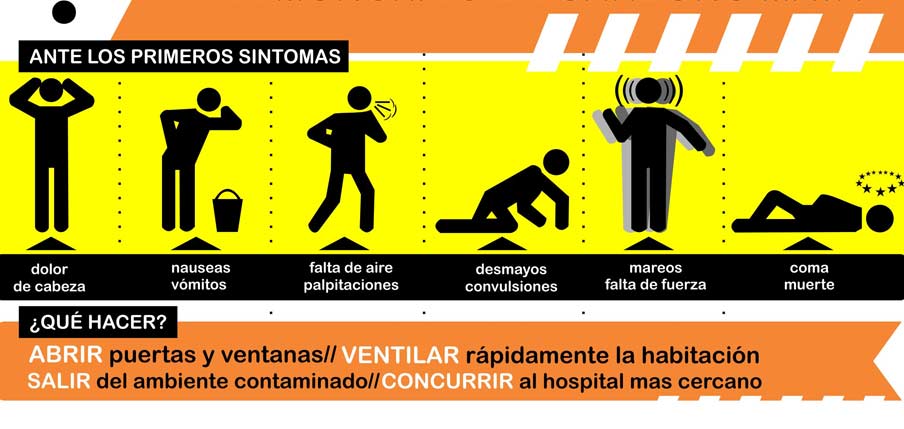
Exposure to carbon monoxide can be an almost lethal risk in a very short time. A slight exposure can affect the nervous system and cause headaches or mood changes. If poisoning continues, it affects the nervous system and, if exposure continues, can lead to death in minutes.
The main thing is to take appropriate safety measures. But if this fails, it is important to know what kind of signs alert us to carbon monoxide poisoning. Note: children and the elderly are at greater risk.rn
- rn t
- If you feel headaches, nausea, and vomiting in a situation where you are using a gas heating system, keep in mind that it may be caused by this gas. If weakness and fatigue increase, take precautions before losing consciousness. rn t
- Open the doors and windows if these symptoms appear. Do not think that it is just a slight headache or resign yourself to sleepiness. Try to ventilate the room; proper ventilation is what combats carbon monoxide poisoning. rn t
- See a doctor if you believe you have been exposed to this gas. And have a professional check your home’s installation. rn
Precautions to take against this gas
rnAs we have discussed in this blog, we can identify the presence of this gas through a detector in the home. But beyond that, we can consider a series of recommendations at home: rn- rn t
- It is advisable to turn off stoves, braziers, or fireplaces at night or when we are not at home. When we are sleeping is more than important, as that is when we can suffer poisoning without realizing it. rn t
- In enclosed spaces such as bathrooms, the heating systems designed for these spaces must be used. rn t
- Cooking appliances such as ovens or gas burners should never be used as heating means. This is one of the most significant problems in this carbon monoxide poisoning. rn t
- We need good ventilation in the house. Having an aired house is essential. rn t
- Stoves and heaters need to pass inspections. Fireplaces that leave blue stains on the walls can also be suspected of gas leaks. rn t
- Braziers and kerosene heaters are quite dangerous for the appearance of this gas; it is important to keep that in mind. They are not advisable in places where people will be sleeping. rn

Siber Ventilation
Related posts

Why is mechanical ventilation necessary in homes?
Constant flow ventilation systems, how do they work?