Air treatment in public buildings, how is it done?
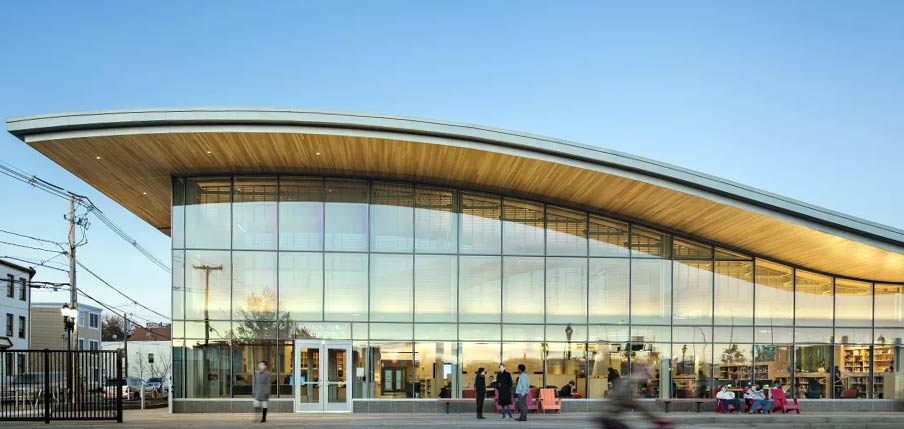
The indoor environment is crucial for health. This has been made clear on more than one occasion by the World Health Organization (WHO), which states that indoor air pollution, usually due to humidity or mold, chemicals, or other biological agents, is responsible for many deaths on the planet. Therefore, it is essential to improve the indoor air quality. Especially in places open to anyone. The air treatment in public buildings is essential to achieve the necessary health standards in the public sphere.
In Spanish legislation, the Technical Building Code specifies the needs for the air treatment in buildings intended for housing, through the Basic Document HS3. Conversely, for public spaces the necessary legislation is established by the Regulation of Thermal Installations in Buildings (RITE), which will be the essential guide for establishing the requirements for air treatment in public buildings.
According to the demands of the RITE, in public buildings it will typically require the application of air treatment IDA 2 and IDA 3, which means good quality or medium quality. One requirement or another will vary depending on whether it is a place of greater sensitivity -such as a school or the common area of a hotel- or if the requirements are lower, as in the case of movie theaters or hotel rooms.
In any case, for the treatment of air indoors it is essential to maintain the salubrity of buildings throughout their useful life. From their prior design to their maintenance during use or construction, as everything will depend on the guarantee of air quality, which in turn is the health of the people occupying it.
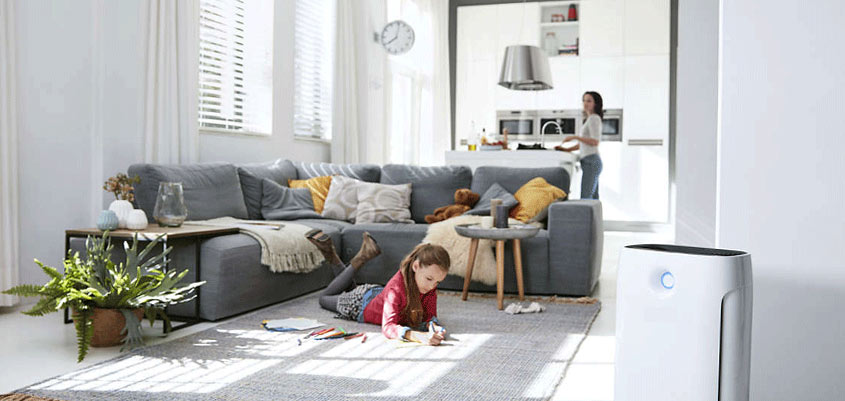
Changes in our lifestyles, which focus on spending more time indoors alongside the high level of airtightness of buildings, make it easier for indoor air to become polluted. Poor air quality can lead to colds, generate allergies, or, in more extreme cases, promote infections or serious respiratory problems.
This is why we must consider, in public spaces, the main points we need to pay attention to when improving the air treatment in public spaces. According to the Community of Madrid, we must pay special attention to the following:
- Chemical contaminants. There are many elements that pollute our indoor air. The main ones are: Carbon monoxide (CO), Carbon dioxide (CO2), Nitrogen oxides (NOx), Sulfur dioxide (SO2), the suspended particles PM10 and PM2.5, Asbestos, Ozone (O3), Volatile organic compounds (VOCs), Tobacco smoke, Radon, Formaldehyde (CH2 = O), Creosote, Odors.
- Physical contaminants. In these cases, it mainly concerns humidity and temperature, which must be controlled at all times. But it is also estimated that part of the comfort comes from noise and electromagnetic fields.
- Biocontaminants. In addition to water vapor in the air, biological allergens, pet animals, or dust mites can harm the air we breathe.
- If there are animals in public areas, we must pay attention to how their presence can pollute the air.
How to ensure proper air treatment in public spaces
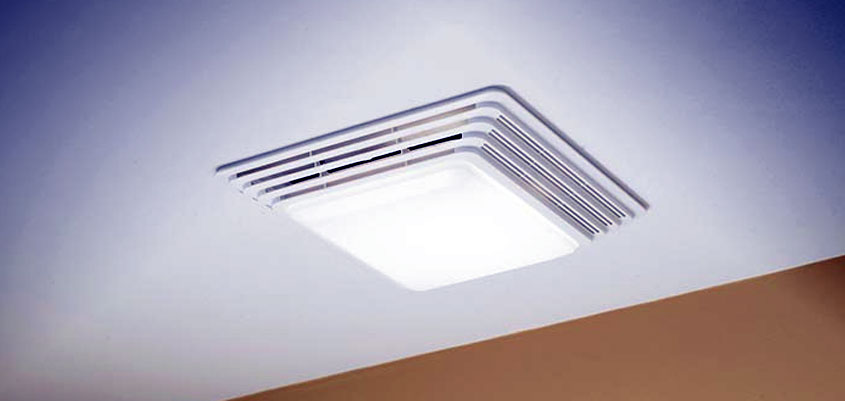
For proper air renewal in public spaces, it is necessary to have mechanical ventilation systems that extract the air that loses quality automatically at all times, while also pushing filtered air from the outside.Mainly, for the air treatment in public spaces regulate the installation of the following systems:
- Heating appliances and heat generators.
- Air conditioning and cooling systems.
- Mechanical ventilation solutions or for air renewal.
Likewise, in the treatment of air in public spaces the need for air conditioning will also significantly influence, in addition to the humidity of the environment. It is important that winter temperatures are not too high and that in summer they do not drop too low, which will mean that efficient use of air conditioning systems is being made. The mechanical ventilation systems themselves can also introduce heated or cooled air thanks to heat recovery units.

Siber Ventilation
Related posts