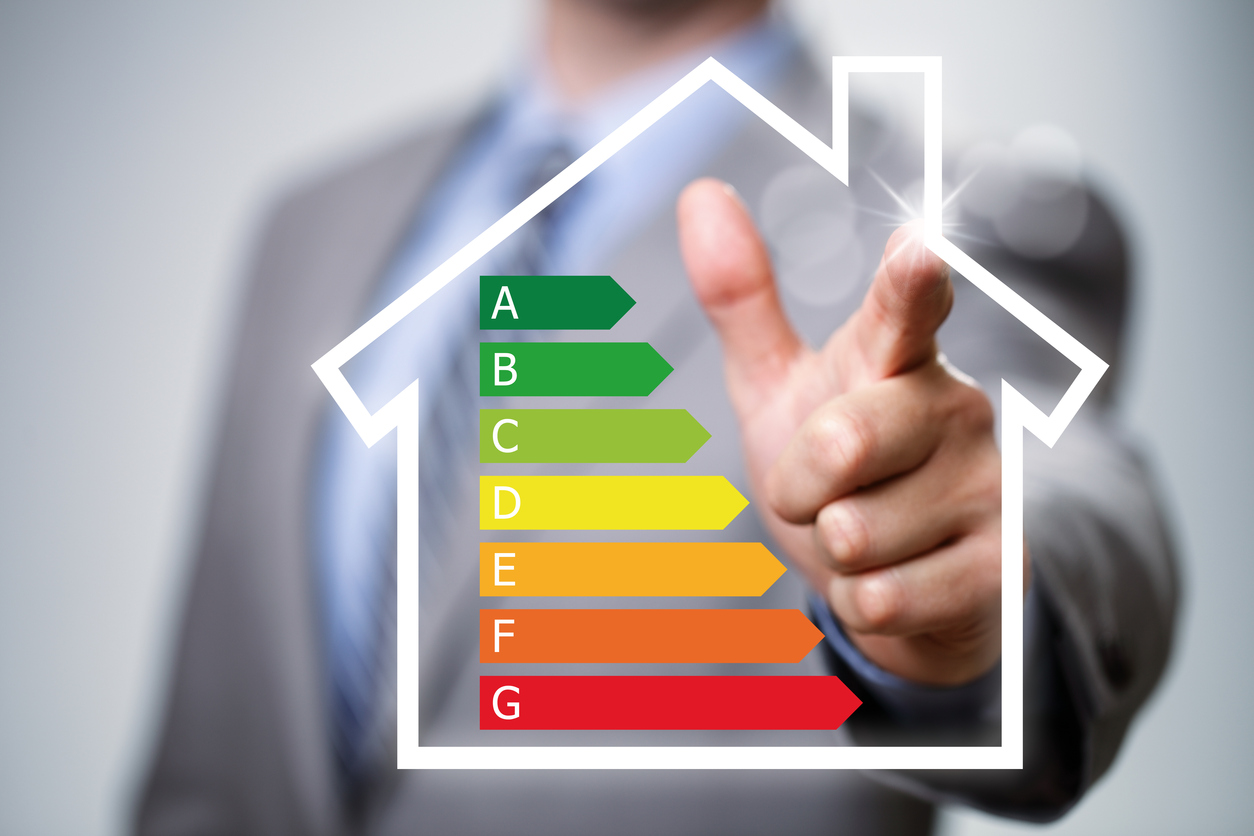
Aerothermal energy: present and future of energy efficiency
Nearly zero energy consumption buildings (EECN) are one of the main bets of the European Union to achieve "reducing greenhouse gas emissions by at least 40% by 2030 compared to 1990," as established in the 2018/844 regulation. The goal is to "guarantee a highly energy efficient and decarbonized national real estate stock and facilitate the economically profitable transformation of existing buildings into nearly zero energy consumption buildings." In this article, we will explain what aerothermal energy is, as well as its benefits in terms of energy efficiency and economic savings.
What is aerothermal energy?
Aerothermal energy allows you to obtain hot water and achieve adequate indoor air conditioning through the use of outdoor air, without generating direct CO2 emissions, using a heat pump. These devices reverse the refrigerant cycle by introducing hot air in winter, as the indoor unit acts as a condenser and the outdoor unit as an evaporator. In summer, it works by providing cold air; in this case, the indoor unit functions as an evaporator and the outdoor unit as a condenser. This energy source is considered sustainable: the use of outdoor air is unlimited, it does not produce combustion, and therefore does not generate smoke or any type of combustion.Energy Saving
The installation of these systems is easy with simple maintenance and is safer than traditional boilers. Furthermore, it serves as a way of achieving monetary savings that can range from 50% to 80% depending on the type of previous installation. The energy efficiency of this air conditioning system occurs by obtaining up to 80% of the energy from the air. This fact leads to heat pumps exponentially multiplying the electrical power of the compressor, significantly increasing the overall efficiency:- For every kW of electricity that a heat pump uses in heating mode, it obtains 4.5 kW of heat
- For every kW of electricity that a reversible heat pump uses in air conditioning mode, it obtains 3.5 kW of cooling
- Electricity: €0.142/kWh (Electric radiators)
- Pellets: €0.085/kWh
- Diesel C: €0.084/kWh (Thermal boiler)
- Accumulator: €0.078/kWh
- Natural gas: €0.055/kWh (Thermal boiler)
- Aerothermal energy: €0.041/kWh
Aerothermal energy for homes and the advantages it brings:
- Possibility of combining it with other thermal emitters such as radiators or underfloor heating
- Adaptable to existing installations.
- Requires little space
- It is a completely safe system


Siber Ventilation
Manufacturer of High Energy Efficiency Ventilation Systems. Siber provides a set of high energy efficiency solutions in wind and mechanically intelligent ventilation, improving the Health, Hygiene, and Comfort of people, being respectful of the environment.
Related posts

air flow
energy efficiency
dual flow ventilation systems
Ventilation systems and components
fans
Constant flow ventilation systems, how do they work?
Constant flow ventilation systems adapt to actual ventilation needs and avoid losses of load or efficiency.