Advances in regulations to promote energy efficiency
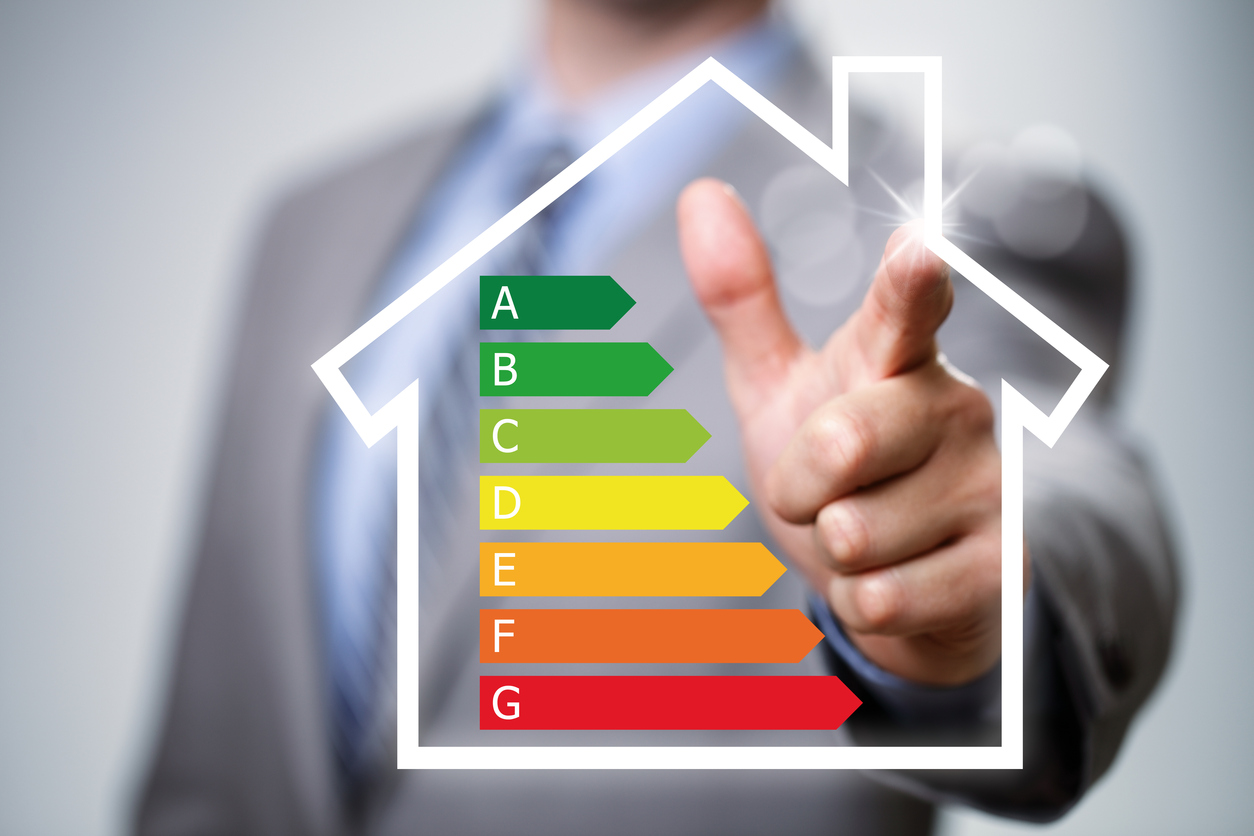
The Energy Efficiency Directive for Buildings is one of the major challenges that contemporary society faces. The so-called Nearly Zero Energy Buildings, also known as NZEBs, aim to meet a series of energy-efficient objectives based on a pre-set calendar date.
Buildings committed to the environment increase the comfort and quality of life for their occupants based on minimal energy costs and modest additional costs.
However, engineers, architects, and builders face a new challenge to utilize precisely energy efficiency, in addition to a reasonable consumption of resources and the reduction of toxicity and pollution.
Updating the concept of Nearly Zero Energy Building
Advocating for a clear and concise definition of a Nearly Zero Energy Building is part of the new regulations. It refers to those homes that completely meet their energy needs through the use of connected renewable energy sources.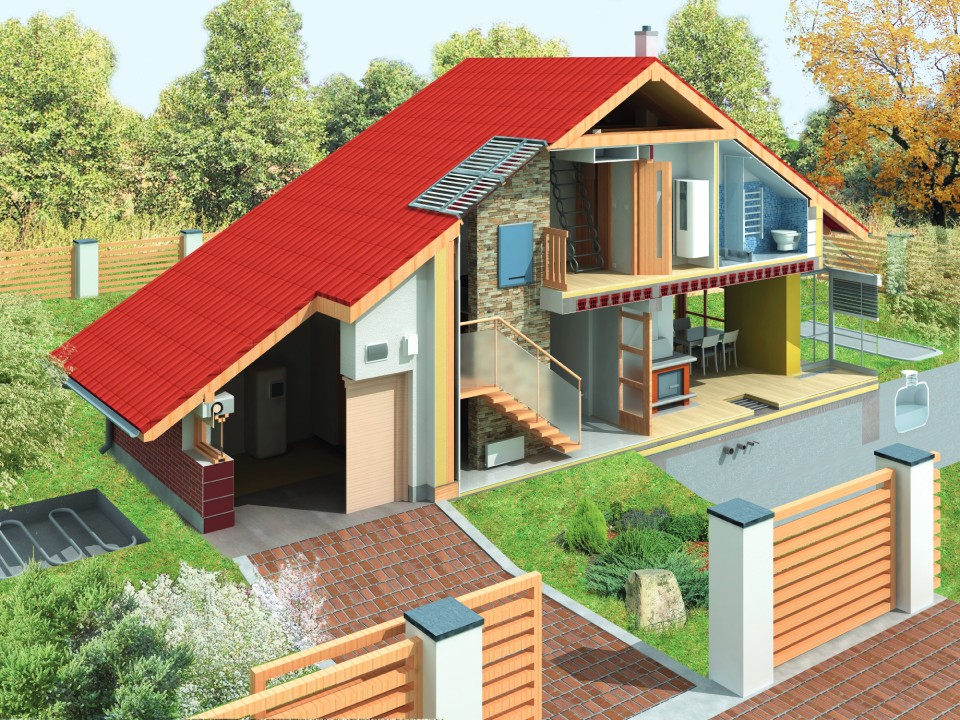
The climate control of the building must be constructed under the shelter of passive architecture. The idea is to adapt the building to the environment to use it to its advantage, ensuring that temperature changes do not affect it, based on distribution, design, orientation, and materials.
Among the building's climate control systems is ventilation, which must include efficient and sustainable systems that assist in air renewal. Regarding lighting, the construction systems must prioritize natural lighting and implement intelligent control solutions for on-demand lighting.
New Technical Code for Sustainable Construction
The new regulations focus on the current waste of energy consumption. The measures implemented will reduce energy demand in future properties without impacting the health of residents.Ventilated facades, wind energy, installation of photovoltaic panels, good thermal insulation, geothermics, or the best orientation are all issues to be addressed as part of this significant advance that is on the horizon. In the meantime, here are the advances that are part of the new CTE regulations:
- The use of non-renewable energies is reduced, limiting energy consumption by 38% in multi-family buildings and by 60% in single-family buildings located in areas most affected by winter.
- Upon the entry into force of the regulations, 60% of a building's primary energy must be renewable. Similarly, final energy consumption must be reduced through the use, for example, of refrigeration and heating generators.
- For renovations based on climatic zones, stricter requirements are conceived.
- The use of renewable sources such as solar, thermal, or photovoltaic is no longer prioritized to encourage the use of new affordable and easily adaptable sources to the particularities of each area.
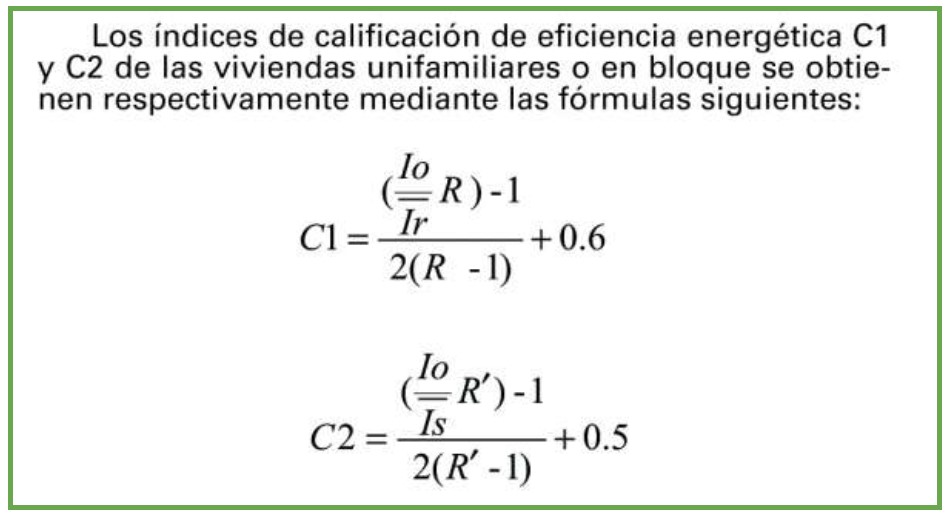
- The primary energy consumption remains the main indicator of energy efficiency, with the exception of the introduction of the Total Primary Energy Consumption, which encompasses not only cooling and heating levels but all the energy needs of the building.
- The new parameter Global Limit Coefficient of Heat Transmission comes into play to assess the building in terms of solar control, air permeability, and thermal transmission.

Siber Ventilation
Related posts