La necesidad de ventilar en interiores para nuestro bienestar

superadmin
May 31, 2019
¿Qué importancia tiene el aire en el mundo? Podríamos decir que toda. De todos los recursos ilimitados necesarios para la vida, es el único del que no podemos prescindir. Durante un tiempo podemos sobrevivir sin agua, por ejemplo, pero nunca sin aire. Y sin embargo, por su supuesta abundancia ilimitada, en no pocas ocasiones olvidamos lo imprescindible que es para la vida. Desde colaborar en la contaminación del aire exterior hasta olvidar lo fundamental que es ventilar en interiores.
En la vida actual, aquello que comemos tiene una importancia capital en nuestras vidas. En la carrera por vivir de manera saludable, los alimentos juegan un papel principal. Por supuesto, también lo que ingerimos y la calidad del agua. Pero, ¿qué hay del aire que respiramos? ¿Por qué en muchas ocasiones se olvida que necesitamos respirar de manera saludable?
Las consecuencias nefastas de respirar un aire de mala calidad pueden llegar a ser letales -en España cada año se producen un centenar de muertes debido a intoxicaciones por monóxido de carbono-, pero el simple hecho de no ventilar correctamente en casa o en el trabajo puede causarnos enfermedades complejas.
El aire se forma principalmente por oxígeno y nitrógeno, pero lo más importante es su presencia absoluta. El problema en la actualidad es que, el aire lleva mucho más dióxido de carbono del necesario, además de otros compuestos nocivos. En demasiadas ocasiones se estima que, en casa, basta con abrir las ventanas para poder respirar aire limpio. Pero, desgraciadamente, no siempre es así.
En las grandes ciudades -y a veces en zonas rurales-, el aire que entra en centros de trabajo, colegios, hospitales o nuestras casas está contaminado. Y el problema es que, dicho aire ya contaminado, empeora dentro de las estancias.
La importancia de ventilar y no permitir el aire de baja calidad en interiores
Como hemos comentado, un grave problema del aire en interiores es que, si en exteriores ya estaba contaminado, en nuestros hogares será igualmente peligroso. Pero no es solo eso, ya que el problema añadido está en la proliferación de aire viciado en casa. Al cocinar, limpiar o generar humos, ese aire contaminado se torna de una calidad muy inferior y puede llegar a ser nocivo para las personas que habitan las estancias.Es precisamente por ello que es imprescindible ventilar en interiores, lo que a veces significará mucho más que abrir las ventanas y dejar que entre el aire de la calle. ¿Qué problemas pueden ocasionarse debido a un aire de mala calidad en las estancias que habitamos?
- Si no disponemos de un aire de la suficiente calidad, la formación de gérmenes y bacterias en el ambiente puede ser algo habitual. Por ejemplo, en los centros de trabajo se conoce como el fenómeno de la oficina enferma: al haber una escasa renovación del aire, cuando una persona tiene un germen al final se acaba estableciendo en el ambiente. Si en un trabajo todos enferman con los mismos síntomas, en ese caso hay una ventilación deficiente y una mala renovación del aire.
- Como hemos dicho, si el aire se estanca y no se renueva puede convertirse en aire viciado, sobre todo si se mezcla con humo, vapores, humedad o productos químicos. Dicho aire viciado puede ser muy perjudicial para la salud. Este fenómeno no solo ocurre cuando el aire que se ha introducido desde los exteriores es de mala calidad, sino que el deterioro de lo que respiramos puede producirse en base a aire de calidad.
- La humedad es un grandísimo problema en interiores y uno de los efectos contaminantes en interiores más habituales. El exceso de vapor de agua en el aire puede hacer que las paredes o los techos de los hogares se deterioren, pero ante todo puede provocar enfermedades respiratorias.
- El asma y las enfermedades respiratorias pueden estar originadas en las personas que viven en ambientes de baja calidad de aire.
- El confort y el bienestar descienden mucho en los hogares en los que no hay una buena renovación del aire. La irritabilidad y un malestar generalizado son comunes en ambientes cargados.
- En centros de trabajo, el descenso de la productividad puede estar originado en la mala circulación del aire. Además, las bajas laborales son más frecuentes debido a la mala calidad del aire, ya que mucha gente puede enfermar con mayor facilidad.
- Las temperaturas incómodas también están relacionadas con una mala renovación del aire. Si no existe circulación, el aire caliente se establece en la parte elevada de una estancia, por lo que en invierno sufrimos dolores de cabeza y no gozamos de un buen bienestar en nuestros pies.
- Los insectos pueden proliferar en un ambiente dentro del que la calidad del aire sea escasa.
¿Por qué se puede llegar a considerar que ventilar en interiores es casi más importante que preocuparse del aire exterior? Principalmente, porque en la vida actual llegamos a pasar más tiempo entre paredes que en el exterior. Además de las horas de sueño, la mayoría de trabajos están enfocados en espacios cerrados, y además el ocio electrónico y el confort moderno hacen que pasar horas dentro de casa pueda llegar a ser atractivo.
Mejorar nuestra salud con una correcta renovación del aire en casa
Si bien el deterioro del aire exterior y la contaminación en las ciudades forman parte de un grave problema -y que sin duda hemos de tratar de remediar entre todos-, de cara a nuestra salud es imprescindible que cuanto antes tomemos conciencia de lo problemático que puede llegar a ser el aire de mala calidad en interiores.
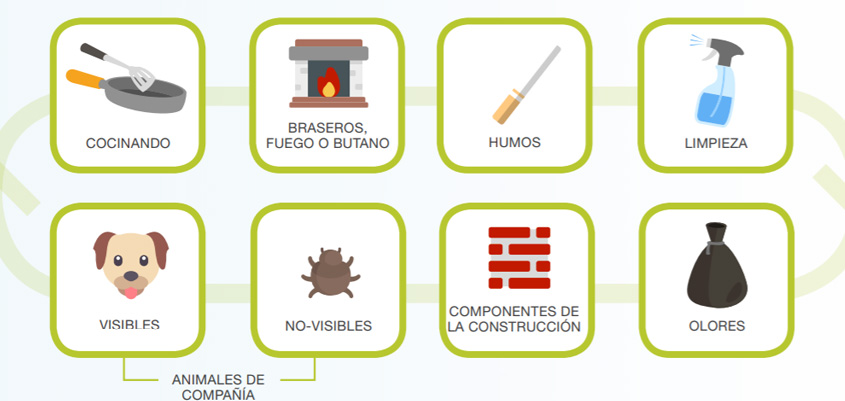
El principal culpable de que suframos un aire peligroso en interiores es el hecho de no renovar el aire de la manera adecuada. Pero junto a ello hay varios factores que pueden fomentar el aire viciado. Para una correcta circulación del aire -y si no contamos con sistemas de ventilación mecánicos-, lo primero es ventilar aunque sea abriendo las ventanas cuando vivamos lo siguiente en el hogar:
- El cocinado es el principal foco de aire viciado. Antes de empezar a cocinar, durante y al menos unos minutos después de usar los fogones es imprescindible que dejemos paso para que los humos no se estanquen en casa.
- La calefacción mediante braseros de fuego o butano genera demasiados residuos que se mezclan en el aire. Teniendo en cuenta que son sistemas que se usan en invierno -cuando más difícil es renovar el aire al estar todas las estancias cerradas-, se recomienda evitar el uso de estos sistemas de calefacción. Y, si no hay más remedio, al menos usar extractores y ventilar a menudo.
- La limpieza, al usar productos químicos, llena el aire de gases que pueden llegar a ser muy perjudiciales. Cada vez que se asee el hogar ha de ventilarse correctamente y dejar que el aire ensuciado se libere.
- Las personas fumadoras han de evitar hacerlo en interiores.
- Los animales domésticos pueden ser un foco de bacterias. Es importante lavarlos bien y llevar sus revisiones adecuadamente. Igualmente, hemos de tener cuidado con esos compañeros invisibles: los ácaros o los insectos.
- La basura no solo emite mal olor, sino que ensucia el aire. Procura tirarla muy frecuentemente.
- Si estás de obras en casa, recuerda ventilar adecuadamente para evitar suciedades.
Las mejores maneras de ventilar en el hogar

Los problemas de salud generados por una mala ventilación suelen ser a medio o largo plazo. ¿Estás muy cansado sin motivos aparentes o te resfrías con regularidad? Puede ser un efecto nocivo de la mala ventilación.
Para ventilar en interiores, siempre que no se disponga de otra alternativa, hay que al menos abrir las ventanas. Este es el caso de muchas casas y construcciones antiguas en España, que no cuentan con soluciones de ventilación. En estos casos, al menos cuando se producen humos hay que mantener las ventanas abiertas y usar ventiladores si es posible.
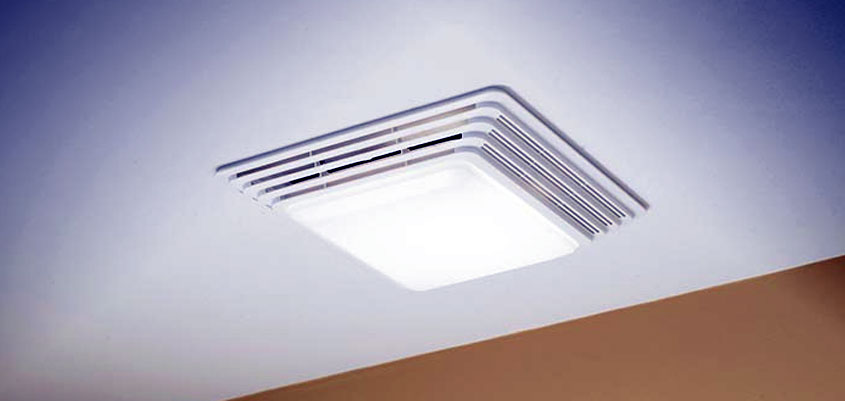
En casas antiguas, al menos es importante instalar una campana extractora en la cocina y, si es posible, un extractor de baño. Ambas soluciones mejoran notablemente la extracción de aire para que sea renovado.
La mejor solución es contar con un sistema de ventilación de doble flujo, sobre todo en viviendas de nueva construcción. Sus ventajas son las siguientes:
- La extracción del aire se realiza de manera automática, apoyada por sensores y medidores que detectan cuándo el aire está contaminado o si hay un exceso de humedad.
- La introducción del aire se hace a través de conductos, y siempre de manera regulada. El aire es filtrado, por lo que su calidad es máxima, mucho mejor que respirar en exteriores.
- El calor en verano y el frío en invierno son más moderados, ya que recuperan el calor y el frío generado en interiores, por lo que no es necesario usar a menudo los sistemas de climatización tradicionales.

Siber Ventilación
Entradas relacionadas