Sostenibilidad en la arquitectura, retos de presente y futuro
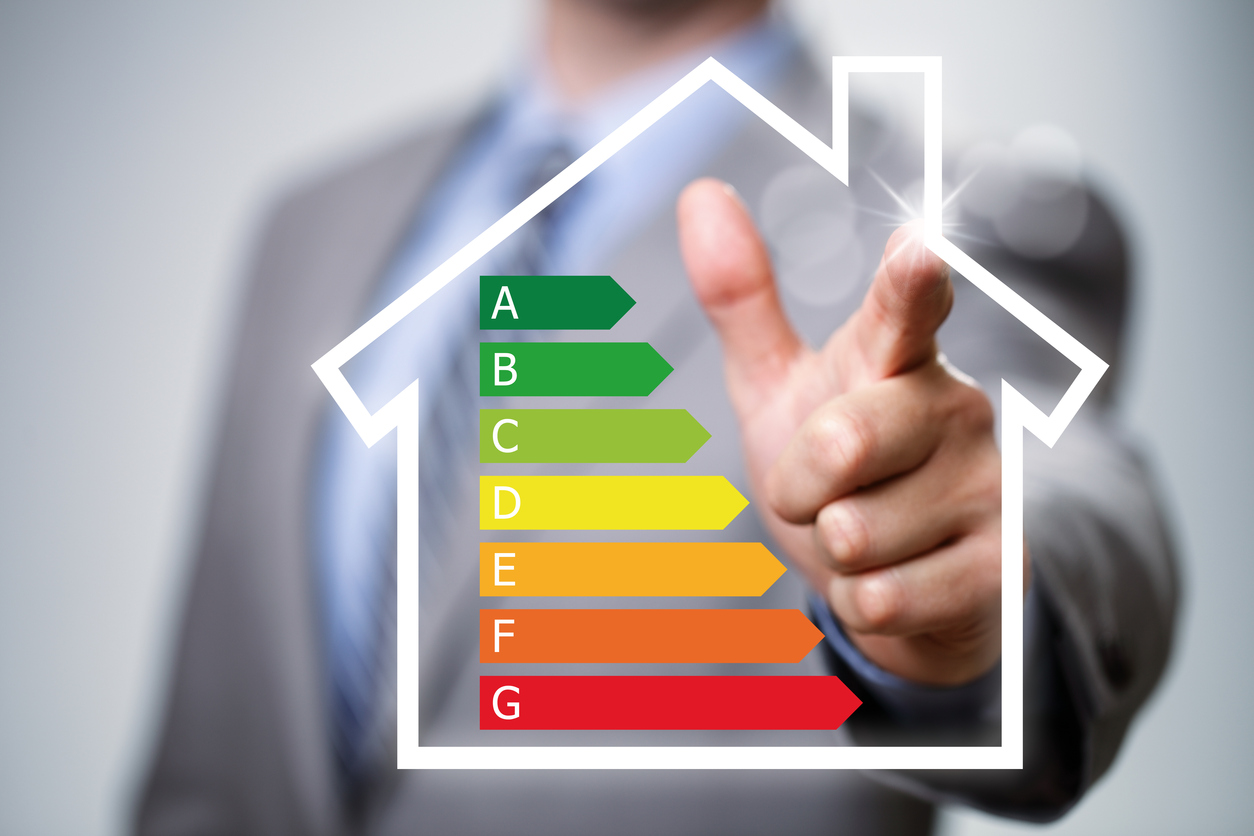
La eficiencia energética es el futuro y también el presente de la construcción, sobre todo frente a los retos que conlleva la implantación de la Edificación de Consumo Casi Nulo, que se pondrá en marcha de forma obligatoria a partir de 2020 para todas las edificaciones. ¿Qué tiene que decir la arquitectura en todo ello? Pues prácticamente todo, ya que el sector ha tenido que ponerse a trabajar para adaptarse a los nuevos retos tecnológicos. Y gracias a la arquitectura sostenible tenemos un modelo donde mirar el futuro de la edificación.
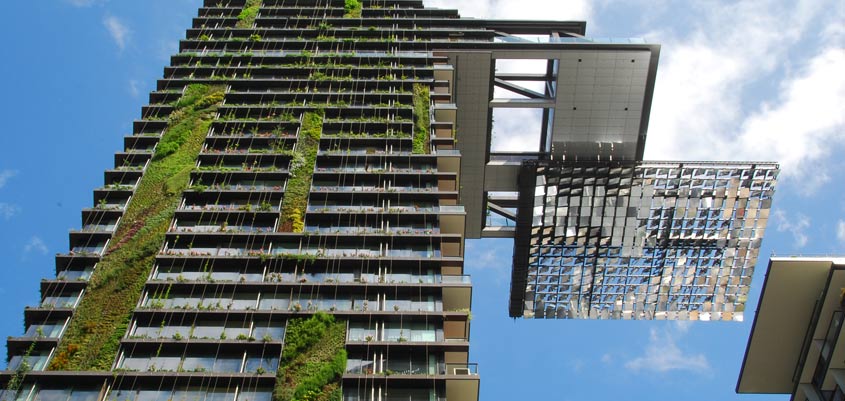
¿Qué es la arquitectura sostenible? Podemos definirla como ese tipo de arquitectura cuyo principal objetivo es minimizar el impacto negativo de los edificios de cara al medio ambiente, gracias al uso de la eficiencia energética y de unos materiales, un consumo y un espacio que sean respetuosos con el medio ambiente. Además, es un tipo de arquitectura que cree firmemente en la conservación del patrimonio ecológico en el momento de diseñar edificios.
La idea de la sostenibilidad e incluso del diseño ecológico, afirman los expertos en esta tendencia, es para asegurar que nuestras decisiones tomadas hoy sirvan para garantizar un mañana mejor.
De cara al futuro de la eficiencia energética, la arquitectura sostenible va bastante más allá que los requerimientos de la Edificación de Consumo Casi Nulo, que persigue la minimización del consumo, ya que este tipo de arquitectura promueve:
- Por un lado, recortar el consumo energético mediante un mayor aprovechamiento de los recursos y teniendo en cuenta la orientación de los edificios, los sistemas de ventilación y de renovación del aire y otras técnicas constructivas que permitan un consumo muy bajo de energía.
- Por otro, apuesta únicamente por materiales ecológicos y que procedan de fuentes sostenibles. También tiene en cuenta que el equipamiento y los materiales utilizados hayan sido extraídos de áreas cercanas al lugar de edificación.
En este sentido, la arquitectura sostenible tiene retos aún mayores que la de eficiencia energética. Sobre todo porque no se trata únicamente de encontrar una fórmula que elimine las emisiones producidas por el consumo de energía, sino que busca que el impacto ecológico sea mínimo. Y eso repercute en unos costes mayores que a veces son más difíciles de justificar. Normalmente, la mayor inversión en eficiencia energética se puede traducir en un ahorro para quienes habiten los edificios, así que acaba por recuperarse. En cambio, apostar por materiales y procesos ecológicos tiene beneficios para el mundo y el medio ambiente, pero no para el bolsillo del inversor.
La parte positiva es que muchos de los materiales que busca la construcción sostenible y que han de ser ecológicos no han de ser más costosos, sino que a veces son incluso más baratos y tienen unos menores costes de obtención y transporte. Es aquí donde la arquitectura sostenible ha de encontrar la ecuación perfecta para encontrar estas opciones y poder lograr que la obra sea atractiva en coste y cien por cien sostenible.
Ecología y eficiencia energética en la arquitectura sostenible
Hemos dicho que la arquitectura sostenible necesita de materiales ecológicos. Estos pueden ser materiales reciclados, compuestos orgánicos volátiles bajos o materiales sostenibles. Sin embargo, ¿cuáles son los procesos para potenciar la eficiencia energética en estos edificios de arquitectura ecológica?- Primero de todo, se precisa montar en los edificios generadores de energía renovable. Para ello, se opta mayoritariamente por instalar paneles solares, turbinas de viento, bombas de calor y agua sanitaria calefactada mediante la luz solar.
- Después, es más que importante contar con un sistema de ventilación mecánico capaz de renovar el aire y aportar calor en invierno y refrescar en verano de manera eficiente y de consumo casi nulo.
El sistema de ventilación mecánico de doble flujo es clave también porque permite montar un intercambiador de calor que posibilitará calentar el aire de la calle en invierno, posibilitando una climatización de eficiencia energética y totalmente ecológica. Es por ello que en las hipotecas energéticas, para alcanzar la mayor nota que descuente los costes de financiación, es obligatoria la instalación de un sistema de doble flujo.

Siber Ventilación
Entradas relacionadas
¿Por qué es necesaria la ventilación mecánica en las viviendas?

Sistemas de ventilación con caudal constante, ¿cómo funcionan?