Salud del aire, ¿mejorar nuestra calidad de vida respirando mejor?

superadmin
November 6, 2018
¿Qué países o regiones son en donde es posible encontrar mejor esperanza de vida? Normalmente son lugares naturales, relajados y donde el clima es benigno. Pero, ante todo, suelen ser lugares donde se respira mejor. ¿Recuerdas el caso de alguna persona que se mudara a un lugar únicamente porque necesitaba ese clima? Un ejemplo es el escritor portugués José Saramago, que se mudó a las Islas Canarias porque necesitaba una mejor salud del aire.
No es el único lugar beneficioso para nuestros pulmones. Algunas regiones de Japón o de Canadá son conocidas por el buen aire que se respira, lo que se traduce en una mejor salud y confort, además de una mayor esperanza de vida. Tampoco hemos de irnos tan lejos, los Pirineos son un lugar fantástico para disfrutar de un buen aire. Por eso, la esperanza de vida es tan elevada en Andorra.
Sin duda, mudarse a uno de estos lugares o pasar unas vacaciones en ellos puede ayudarnos y mucho en nuestra salud. Pero, ¿qué hay del aire en interiores? ¿Es menos importante o podemos descuidarlo?
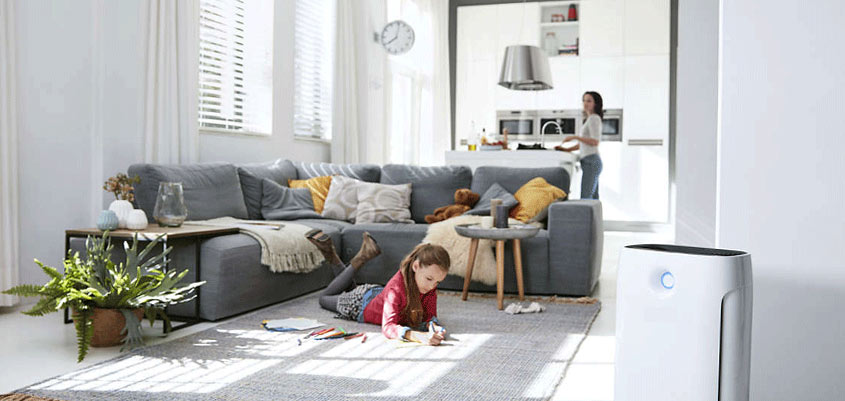
El problema es que siempre se tiene en cuenta el aire en exteriores, pero el ritmo de vida actual nos ha llevado a pasar más tiempo entre paredes. El mundo global e interconectado ha hecho que las oficinas sean, cada vez más, el modelo laboral más extendido. Los sistemas de entretenimiento también nos hacen pasar más tiempo en interiores y, no podemos olvidarlo, las horas de sueño son en nuestros hogares.
Si eso es así, ¿no deberíamos preocuparnos tanto o más por la salud del aire en interiores que por la que respiramos al aire libre? Décadas atrás, se entendía que el mismo aire de la calle era el que teníamos en el hogar, y que no hacía falta más que abrir la ventana para obtenerlo.
No obstante, los riesgos del aire en interiores son diversos:
- Una escasa renovación del aire puede favorecer la formación de gérmenes y bacterias. Es el efecto de la oficina enferma, en la que el contagio se produce entre los diversos trabajadores rápidamente debido a una mala circulación.
- El aire encerrado se puede convertir en aire viciado, lo que además de ser molesto puede ocasionar enfermedades respiratorias.
- Aunque el aire que entra del exterior pueda ser saludable, en interiores existen demasiados contaminantes que empeoran su calidad. Por ejemplo, los productos químicos utilizados en la limpieza del hogar.
- El aire que entra del exterior hacia nuestras casas puede contener partículas contaminantes, bacterias o incluso mosquitos.
- Si en nuestra casa hay un problema de humedad, nuestra salud y nuestro confort se verían resentidos.
¿Cómo mejorar la salud del aire que respiramos?
Los beneficios de una buena salud del aire son muy numerosos. Desde un mejor descanso o una mayor concentración hasta mejoras en nuestra piel y, ante todo, una mejor salud pulmonar.¿Cómo podemos hacer para respirar mejor y disfrutar de una mayor calidad del aire?
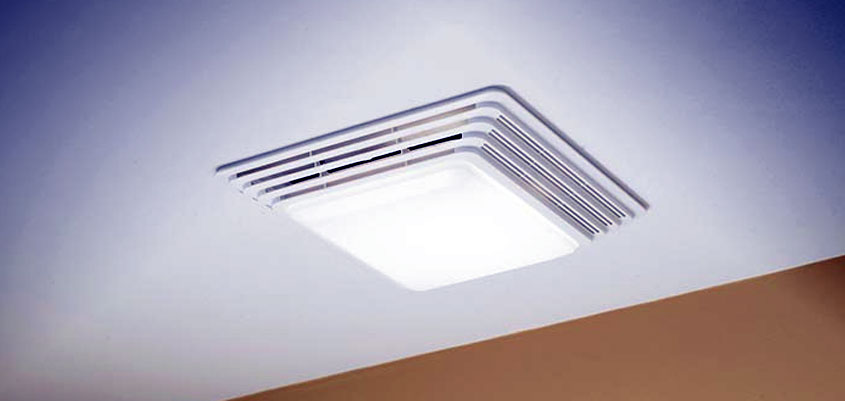
- La ventilación es primordial para renovar el aire, en verano y en invierno. Los lugares cerrados no ayudan, y para ello la mejor solución es un sistema de ventilación mecánico. Si no se dispone de él, han de abrirse las ventanas diariamente.
- Son especialmente sensibles los lugares donde hay humos o vapores de agua, como son las cocinas o los baños.
- Los dormitorios merecen especial atención, ya que somos vulnerables en el sueño. Merece más la pena una mejor ventilación y unas temperaturas más bajas en invierno y taparse más que no calefactar demasiado. La calefacción no hace circular el aire, lo que es muy perjudicial.
- El uso de aerosoles como son los insectidas, los ambientadores o las lacas de pelo ha de minimizarse. Si hay malos olores en tu hogar, el aire está en malas condiciones y un ambientador no lo limpiará, sino que lo intoxicará aun más.
- Al hacer deporte, trata de practicarlo siempre en lugares de aire limpio. No salgas a correr frente a carreteras.
- Siempre que uses productos químicos para desinfectar tu hogar y no tienes un sistema de ventilación, abre las ventanas antes de utilizarlos y sobre todo déjalas abiertas al menos media hora después de limpiar. Lo mismo ha de hacerse con el cocinado si emite humos.

Siber Ventilación
Entradas relacionadas