Plantas recomendadas para filtrar o ar
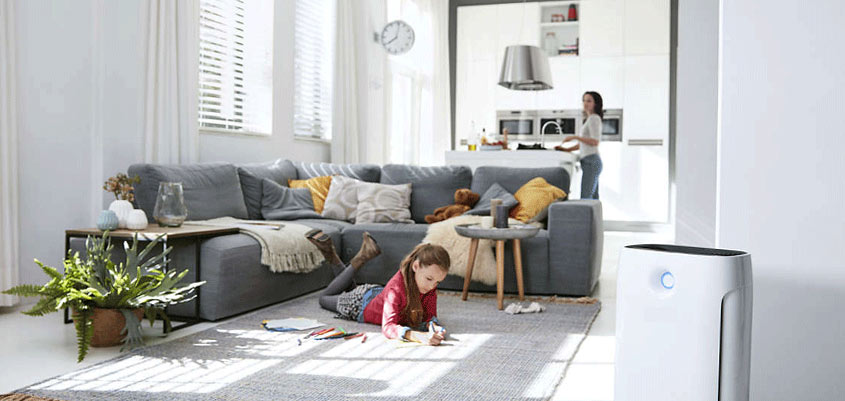
Ter plantas em casa é uma das maneiras mais naturais e ecológicas de decorar nossos lares. Além de ficarem muito bem em interiores e em terraços, são também uma forma de melhorar a ventilação em casa. Como o fazem? Purificando e oferecendo-nos uma melhor qualidade do ar para respirar.
As plantas arejam os lares graças às suas capacidades inatas e, não só isso, são uma forma de reduzir o calor no verão. Por exemplo, se colocadas em frente a uma janela, podem chegar a reduzir até 5% a temperatura do ar que entra por ela.
Tudo isso nos dá razões de peso para colocar plantas em casa para melhorar a ventilação. Já que com elas respiraremos melhor, limparemos o ambiente de impurezas e até faremos as temperaturas mais suportáveis.
No entanto, nem todas as plantas são iguais para purificar o ar. No final do século passado, a agência espacial americana NASA elaborou um estudo para conhecer quais plantas são as mais adequadas para poder melhorar a qualidade do ar. A ideia, claro, era contar com elas em um lugar tão fechado como o de uma nave espacial. Hoje em dia, a organização afirma que os resultados continuam a ser válidos.
Para saber quais plantas são as melhores para purificar o ar e respirar melhor em nossas casas, deve-se ter em conta quais contaminantes são os mais comuns e os que as plantas se encarregam de filtrar. A mesma NASA estima que se trata do benzeno, do xileno, do tricloroetileno, do amoníaco e do formaldeído, todos presentes em situações comuns.
No entanto, antes de conhecer quais plantas são as recomendadas para melhorar a ventilação, deve-se ter em conta algo que se repete por especialistas em purificação do ar: o principal é ter variedade de plantas, já que algumas eliminam umas substâncias químicas específicas e outras se centram em outros contaminantes.
Quais plantas escolher para purificar o ar?
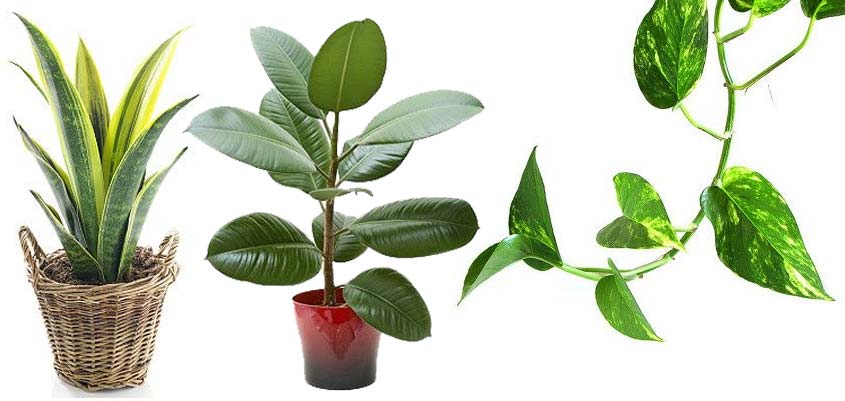
Algumas das plantas que podemos escolher para ventilar melhor em casa e aumentar a qualidade do nosso ar são muito fáceis de conseguir. Algumas delas estão muito espalhadas e é fácil encontrá-las em qualquer loja especializada.A primeira planta recomendada para melhorar o ar é a variedade potus, também conhecida como potho, e cuja espécie se denomina epipremnum aureum.
O origem do potus é o sudeste asiático e, além de suas propriedades benéficas para limpar o ambiente, é capaz de dar vida a qualquer lar. Além disso, é muito fácil de conseguir e adapta-se facilmente a muitos intervalos de temperatura. Mantém-se muito bem em temperaturas que oscilam entre 17° C e 30° C, portanto é perfeita para estar em interiores. Além disso, sua manutenção é mínima. Só deve ser regada de vez em quando, quando está mais seca. Suas folhas são perenes, portanto não caem no outono.
O potus é capaz de absorver o formaldeído, o xileno e o benzeno. E é ideal para ser colocado em interiores, sobretudo em zonas de pouca luminosidade. Pode ser colocado no banheiro.
A seguinte planta que você pode usar é o espatifilo (spathiphyllum), também conhecida como a flor da paz ou a vela do vento. Uma espécie que além disso é capaz de sobreviver também com muito pouca luz e muito pouca água, embora seja necessário mantê-la longe das correntes de ar, portanto é ideal para estar em casa.
O espatifilo cresce em temperaturas superiores a 18° C, então é necessário mantê-la dentro de casa, e são plantas muito longevas. Além disso, é capaz de reduzir em casa os níveis de benzeno, xileno, tricloroetileno, amoníaco e formaldeído.
A terceira espécie recomendada é a planta de variedade raphis excelsa, mais conhecida como palmeira chinesa ou palmeira de bambu.
Como seu nome indica, é procedente da Ásia e é uma planta que, com espaço suficiente, é capaz de alcançar três metros de altura. Suas propriedades benéficas para limpar o ar baseiam-se no fato de que pode reduzir os níveis de formaldeído, xileno e amoníaco.
Pelas suas características de tamanho, é uma planta para ser colocada melhor em uma terraço, em um vaso grande. Nos dias quentes deve ser regada diariamente.
Outra planta muito benéfica para purificar o ar é a língua de sogra ou sansevierias (sansevieria trifasciata), uma variedade muito usada na decoração de interiores e que, além disso, sobrevive muito bem em condições desfavoráveis. Além disso, é capaz de resistir a temperaturas extremas, entre -5° C e 40° C, desde que não sejam constantes essas máximas e mínimas. Instaladas em nossos lares, são capazes de eliminar benzeno, xileno, tolueno, tricloroetileno e formaldeído.
A quinta espécie das plantas para ventilar o lar é o ficus robusta, também conhecido como árvore de borracha. É uma planta ideal para eliminar o formaldeído do ar, mas deve-se ter em conta que pode crescer muito rápido em poucos anos, portanto precisa de espaço. Igualmente, é muito resistente a doenças e melhora a umidade no lar. Portanto, junto com as anteriores, é uma ótima opção para arejar nossas casas de maneira natural

Siber Ventilação
Postagens relacionadas

Sistemas de ventilação com caudal constante, como funcionam?