¿Puede un país producir toda su energía de manera renovable?
En esta época del año es muy común ver noticias de grandes olas de calor y, por consiguiente, de fuertes aumentos en la demanda energética. Pero también en la actualidad vemos que el avance de las energías renovables no es solo fuerte, sino que pueden convertirse en la principal producción energética en un futuro cercano. Sin embargo, ¿es posible que algún día tengamos países sostenibles al cien por cien? La respuesta podría estar muy cerca de nuestro país.
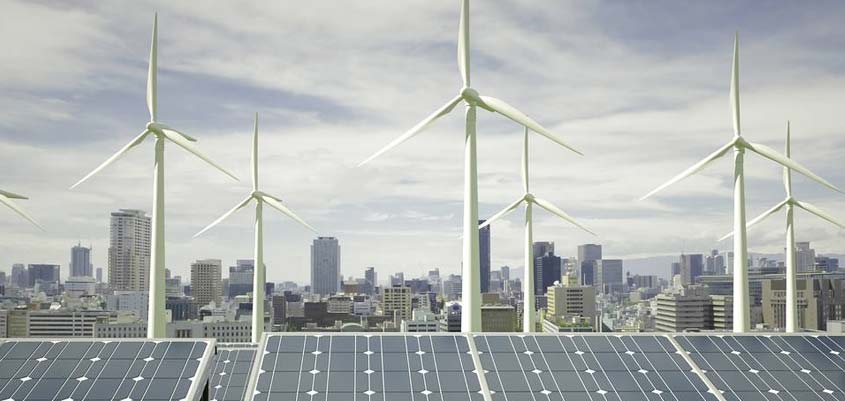
Durante el pasado mes de julio, la Red Elétrica Nacional de Portugal anunciaba un hecho que a muchos les resultará insólito: el 104% de su producción de energía se realizó con fuentes renovables. Se refería al mes de marzo de este mismo año. Se alcanzó el 55% de la producción únicamente con energía hidrológica, embalses y saltos de agua. Y el 42% de manera eólica. El resto y el sobrante se obtuvieron mediante otro tipo de soluciones energéticas también verdes.
Ante esta noticia, la pregunta a formularse es clara. ¿Podemos depender única y exclusivamente de fuentes energéticas renovables? Desgraciadamente, debemos decir que (todavía) no. Los sistemas sostenibles son mucho más complejos que los contaminantes y, además, dependen de factores externos que los hacen menos seguros. Sin embargo, en un futuro próximo es posible que eso cambie.
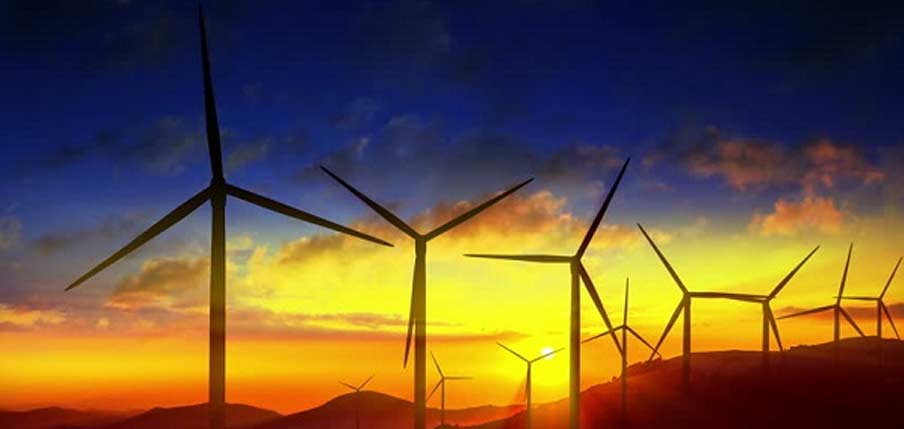
Si analizamos el caso de Portugal, lo primero que hemos de tener en cuenta es que el país atlántico tiene una gran fortaleza en recursos hidrológicos, y esa es una fuente de producción de energía bastante estable, y además favorece un porcentaje alto de penetración. Pero el truco del mes de marzo en Portugal no tiene que ver con sus buenísimas instalaciones hidrológicas y eólicas -que sin duda lo son-, sino con las fortísimas lluvias que asolaron a la península y también con los grandes vientos que transportaron el agua.
Ese es precisamente el gran problema de las energías renovables, que dependen de las condiciones climatológicas. Y no siempre podemos esperar que llueva o que el viento sea de gran intensidad. En marzo, por ejemplo, las condiciones climatológicas fueron devastadoras para los portugueses, pero fantásticas para la producción energética.
¿Significa eso que no será posible que tengamos países que produzcan su energía de manera únicamente sostenible? Para nada. Es más, se avanza que Portugal será capaz en 2040 de suplir toda su demanda energética única y exclusivamente con renovables.
Retos de los futuros países sostenibles
El siguiente reto de la tecnología verde es que es eléctrica, así que no puede almacenarse: lo que se produce es lo que se consume. Normalmente, la energía tradicional puede servir para ajustar la demanda de los consumidores.
El ejemplo de Portugal nos dice que vamos por el buen camino, pero que aún falta mucho camino por recorrer para tener países totalmente sostenibles en su energía. A pequeña escala, en las Islas Canarias tenemos el ejemplo del Hierro, donde se trató de crear una isla cuya producción energética fuera cien por cien limpia. Sin embargo, solo se ha conseguido en algunos periodos temporales.
El futuro pasa por el entendimiento del sistema hidrológico y también del eólico -los dos que más energía crean- para que podamos almacenarla. En países como Dinamarca se sobredimensionan los sistemas para poder llegar a un punto en el que la demanda nunca escasee. Como hemos dicho, la energía que se genera es la que se consume, es la demanda la que establece el consumo total. Si pudiera almacenarse de alguna manera, ya se habría dado un paso de gigante. La evolución de los sistemas, se estima, evolucionará para que podamos generar una producción mejor. Sobre todo en horas punta.
Ahora mismo, deberemos seguir manteniendo el sistema mixto, en el que mezclamos la energía renovable con la tradicional. Las buenas noticias es que la presencia de tecnología verde es cada vez mayor. Pero, de momento, deberemos esperar a ver si en 2040 países como Portugal pueden depender única y exclusivamente de sistemas renovables.

Siber Ventilación
Entradas relacionadas

Sistemas de ventilación con caudal constante, ¿cómo funcionan?