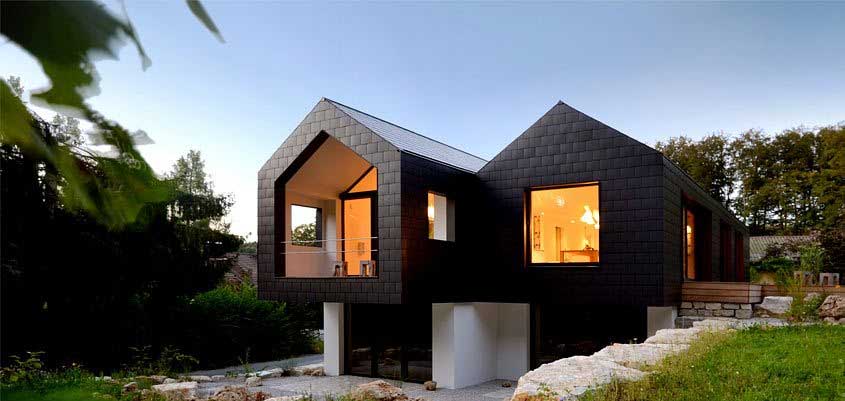
Todo sobre las casas biopasivas
El futuro de la vivienda ha de pasar por la sostenibilidad, eso es algo que tienen claro en la industria y sobre todo en gobiernos como el de la Unión Europea. Es por ello que en dos años todas las construcciones públicas y privadas en España tendrán que ser edificios de consumo casi nulo. Por otro lado, entre los estándares de construcción ecológica más populares, uno de ellos son las casas pasivas, que se caracterizan por casi no producir gasto alguno para crear energía a disfrutar en el hogar. Y junto a ellas se encuentran las casas biopasivas, una nueva vuelta de tuerca a dicho modelo, pero de manera aun más sostenible.
Para decirlo de forma sencilla, las casas biopasivas son un avance más ecológico tras los modelos pasivos. Y es que, en estos casos, la construcción de los materiales ha de proceder exclusivamente de fuentes respetuosas con el medio ambiente y materiales reciclables. Como pueden ser la madera, la lana de oveja, la arcilla o la paja. Es posible utilizar en el aislamiento de las paredes, por ejmplo, materiales como la celulosa, la fibra de madera o también el corcho. Además, dichos materiales no han de producir emisiones nocivas.
Una de las diferencias de las casas pasivas con las biopasivas es que las segundas tienen un mejor uso de la ventilación natural y que hacen un mayor aprovechamiento de las energías naturales, como son el sol, el agua, el viento y el aire. Pero también necesitan sistemas de ventilación mecánicos, que son los únicos elementos que requieren de energía en estos hogares sostenibles.
Como suele ocurrir con las casas pasivas -que tienen su propio sello sostenible-, la elección del lugar donde se ha de construir la vivienda es algo prioritario. La orientación al sol, la forma en que recibirá los rayos solares y el aire o el terreno afectarán directamente sobre una casa que ha de aprovechar los elementos naturales al máximo. El clima, además, lo condiciona todo en este tipo de viviendas. En el interior de España y en la costa se vivirán situaciones completamente distintas. Es por eso que cada proyecto ha de mirarse paso a paso y de manera personalizada.
Debido a ello, las casas biopasivas no tienen nada que ver con las prefabricadas. Estas últimas se pueden adaptar a cada terreno, pero no aprovecharán las fuentes energéticas de la misma forma que si son creadas para un lugar en concreto.
En muchas ocasiones, crear una casa biopasiva puede parecer algo complejo por el coste que tendrá. Son más caras que con materiales no ecológicos, pero a la larga nos supondrá un ahorro en energía tan grande que compensará esa inversión inicial. Además, en invierno y en verano. Incluso la climatización tendrá un gasto realmente menor, al usar sistemas de ventilación mecánicos, que gastan en muchos casos como una bombilla.
Confort y ventilación en casas biopasivas
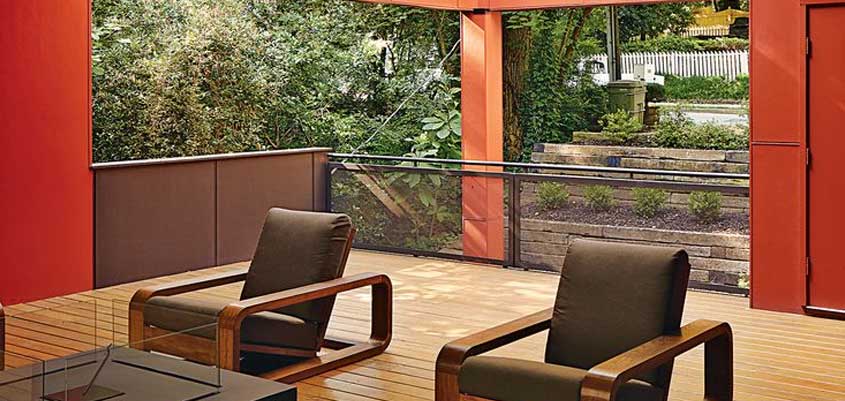
En las casas biopasivas, el confort dependerá mucho de lo bien que se haya construido para no dejar pasar el frío o el calor. Precisamente, el estándar de calidad esperado ha de crear un entorno favorable para las personas que habiten el lugar sin necesidad de un gasto en climatización o iluminación generado por energías tradicionales.
De manera similar a como ocurre con las casas pasivas, la idea es que fuera pueda estar nevando o a temperaturas muy frías, mientras en interiores disfrutas de un entorno de humedad óptimo y a unos 22 grados de temperatura.
Eso en parte es debido a los sistemas de ventilación de doble flujo que cuentan con una unidad recuperadora de calor. De esta forma, al intercambiar el aire de la vivienda, se puede lograr que el aire a introducir de la calle se caliente. Si la vivienda se ha creado en las mejores condiciones de aislamiento y estanqueidad, sin duda será suficiente la ventilación mecánica para ofrecer ese confort necesario.
En cualquier caso, las casas biopasivas, igual que las pasivas, están más pensadas para los climas fríos, y son más populares en países fríos como Alemania o Inglaterra. Pero la ventilación de doble flujo también es también una ayuda en verano, así que podremos enfriar los hogares cuando las temperaturas nos obligan a ir en manga corta.
Además de contar con materiales ecológicos, las casas biopasivas han de cumplir también una serie de características que comparten con la mayoría de las viviendas sostenibles:
- La arquitectura ha de ser personalizada y optimizar los recursos disponibles.
- El punto fuerte de las casas pasivas y biopasivas es que no han de gastar casi recursos energéticos.
- Han de renovar y reciclar la energía. Con la unidad de recuperación en ventilación, por ejemplo.
- Deben reducir al máximo los residuos.
- Sin duda, han de mejorar la calidad de la vida de sus ocupantes.

Siber Ventilación