Eficiencia energética en el hogar, todo lo que has de saber
El mayor reto de la construcción en la actualidad pasa por la eficiencia energética. La necesidad de disminuir los consumos energéticos en nuestros hogares y en los ambientes de trabajo no es algo nuevo, sino que lleva tiempo siendo una de las tendencias del sector, pero ahora más que nunca es imprescindible apostar por ello. La Unión Europea ha forzado a España a ponerse al día y, a partir de 2020, todos los edificios que se construyan tendrán que ser Edificación de Consumo Casi Nulo.
Sin embargo, más allá de la legislación, es imprescindible que usuarios y profesionales tomen conciencia de la importancia de la eficiencia energética en los edificios, ya que más allá del mito de la costosa inversión en adaptarnos a un modelo sostenible en el consumo de suministros, podemos ahorrar mucho en las facturas de la luz o el gas durante toda la vida útil del edificio. Además de contribuir a una mejora de nuestro planeta. Estos son algunos de los beneficios de la eficiencia energética:
- Rehabilitar un hogar para que sea energéticamente eficiente puede suponer un ahorro del 40% en la factura de la luz.
- Las condiciones de habitabilidad de los edificios son mucho mejores en condiciones de eficiencia energética. Por ejemplo, no se dan excesos como estancias excesivamente caldeadas en invierno o muy frías en verano.
- Normalmente, el ruido también es mucho menor al vivir o trabajar en un espacio que sea sostenible. Sin el uso de aparatos de aire acondicionado el ruido se reduce, así como poder tener las ventanas cerradas y mucho más estancas del exterior.
- Si todo el mundo apostase por los modelos energéticos sostenibles sin duda las ciudades estarían mucho más limpias. No son los coches o las industrias quienes más ensucian la atmósfera, sino que son los edificios el mayor foco de contaminación.
- Unión Fenosa y el Instituto para la Diversificación y el Ahorro Energético (IDAE) ya avisaron, en un estudio pasado, que en los hogares españoles se desperdicia el 10% de la energía consumida. Eso tiene un coste al año de 700 millones de euro y sin tener en cuenta toda la energía que está siendo usada de forma poco eficiente.
Por ejemplo, una correcta climatización mediante el uso de un sistema de ventilación mecánico es necesaria en los hogares de eficiencia energética, pero para que su potencial se maximice es necesario también que cada estancia sea lo suficientemente estanca.
Otro factor muy importante es el del consumo energético de electrodomésticos, iluminación, calentadores de agua o los hornillos de la cocina. Todos estos sistemas son fáciles de cambiar y es importantísimo que, siempre que nos hagamos con nuevos aparatos en casa o electrodomésticos, tengamos en cuenta que no solo hay que mirar su diseño o su precio, sino también su consumo. Una bombilla de bajo consumo puede costar hasta el doble de la más barata de las tradicionales, pero su vida útil puede ser hasta tres veces superior. Ya solo por eso la diferencia de precio compensa. Pero es que además gastará una pequeña parte de lo que necesite la tradicional.
Eficiencia energética y construcción del edificio
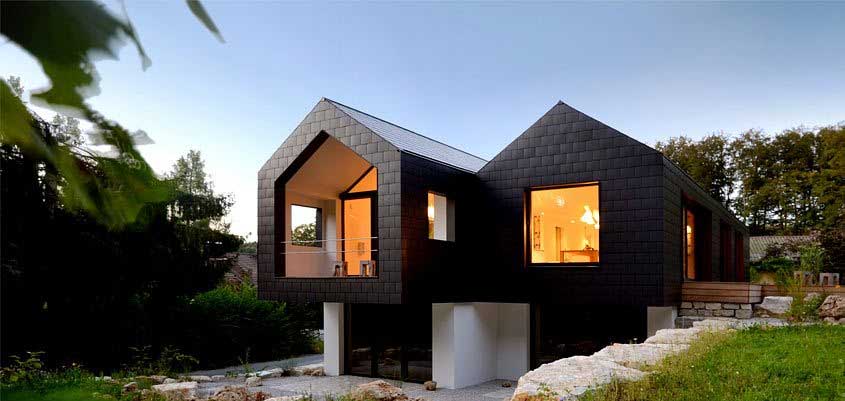
Lo primero que hay que tener en cuenta para lograr unos edificios que cumplan con los mínimos de eficiencia energética es su construcción. En plena burbuja inmobiliaria, a principios de siglo, se popularizó el uso de los equipos de aire acondicionado y calefacción.
Fue en aquella época que muchas casas se construyeron con paredes que dejaban traspasar el frío y el calor, ventanas poco aislantes y materiales que no garantizaban un buen mantenimiento del confort en el hogar. Se instalaban sistemas de calefacción y aire acondicionado para dar una sensación de comodidad térmica que, en realidad, suponían una factura muy elevada en suministros.
Hoy en día, esto no puede llevarse a cabo. Para poder apostar por la eficiencia energética, la manera en que se construyan nuestros edificios es primordial. Ha de apostarse por mejorar al máximo la estanqueidad de todas las estancias que se construyan.
Para mejorar esa estanqueidad puede tenerse en cuenta:
- Las paredes han de estar construidas con materiales resistentes y que no dejen que se escape el calor en invierno o que el bochorno penetre a través de ellas en verano.
- Las ventanas y puertas han de ser estancas y muy resistentes. De nada nos sirve tener un gran balcón si la cristalera deja que pase todo el frío en los meses más duros del año.
- En los meses de verano, es posible implantar toldos, cubiertas ventiladas o fachadas ventiladas. Con ello daremos un paso de aire que impedirá que la estancia se recaliente. En invierno, su efecto también ayuda.
Eficiencia energética y sistemas de ventilación

Para poder minimizar el uso de los sistemas de climatización, la ventilación mecánica de doble flujo no es solo necesaria, sino que además nos ayuda enormemente a mejorar nuestra salud.
Los sistemas de ventilación mecánicos serán necesarios en la Edificación de Consumo Casi Nulo. No obstante, los que son óptimos para garantizar el mayor grado de eficiencia energética son los de doble flujo. En este caso, las ventanas han de estar cerradas en todo momento y la ventilación se realiza automáticamente.
La ventilación mecánica de doble flujo elimina el aire viciado o cuya calidad ha empeorado, e introduce aire desde el exterior, filtrado previamente. Gracias a ello, la salud en casa es mucho mejor gracias a respirar un aire de máxima calidad. Ya solo por eso, estos sistemas son necesarios en la edificación moderna.
Aun así, en eficiencia energética tienen grandísimas ventajas. La primera es que, al introducir aire del exterior, la ventilación de doble flujo cuenta con un sistema de bypass que calienta el aire que se introduce desde el exterior en invierno gracias al paso por los conductos.
Eso hace que, sin gasto alguno, ya se esté introduciendo aire caliente en invierno. Sin necesidad de usar calefacción. Eso, sumado a una buena estanqueidad del edificio, elimina nuestra necesidad de encender los costosos sistemas de climatización.
En verano el sistema igualmente es capaz de mejorar el confort térmico. En ese caso, el aire introducido es enfriado. Gracias a ello, la ventilación mecánica es capaz de ofrecer mejoras enormes en eficiencia energética.
Eficiencia energética y electrodomésticos de menor consumo

Los primeros pasos que se dieron en España con la eficiencia energética llegaron con las bombillas. Hoy en día, ya es muy difícil ver bombillas tradicionales de gran consumo y solo suelen ser comunes para renovar viejas instalaciones o lámparas tradicionales que, por tamaño, solo pueden usar esas.
Igualmente, se recomienda que en nuestras casas cambiemos toda la instalación que use energía de alto consumo por otra que resulte ser sostenible. Por ejemplo, las bombillas son un claro ejemplo. Pero, según cómo, también pueden instalarse ventiladores de techo para situaciones en las que queramos recortar el consumo eléctrico y el uso del aire acondicionado.
A la hora de elegir electrodomésticos, televisores o cualquier aparato que usemos en casa, deberíamos mirar que fuera de bajo consumo. Sin embargo, ¿qué hay del agua caliente y de los fogones en casa?
El agua sanitaria, hoy en día, puede calentarse de varias maneras según la eficiencia energética. Como mínimo, se recomienda utilizar calderas calentadoras eficientes. Y en el caso de los fogones del hogar, que sean eléctricos y de bajo consumo.
Recomendaciones para mejorar nuestra eficiencia energética
 Hasta hace pocos años, las exigencias de la etiqueta energética eran mínimas y muchos constructores se limitaban a cumplir con lo exigido por la Ley, sin ningún tipo de mejora más allá de los mínimos. Hoy en día, no puede ser así. Además, de cara al usuario final merece la pena pagar un poco más y poder contar con un ahorro sostenido durante toda la vida útil del edificio.
De cualquier modo, en nuestros hogares podemos empezar a tener en cuenta muchos aspectos para poner en marcha una estrategia que, de manera sencilla, empiece a mejorar la eficiencia energética de nuestras casas. Os recomendamos lo siguiente:
- Trata de encontrar las corrientes de aire. Si ves que en una ventana, en una junta, en una puerta o incluso en una pared el viento se cuela en casa, ya sabes que tienes una fuga. Lo ideal sería tapar esa junta o mejorar la estanqueidad en dicha zona.
- ¿Usas gas para calentar el agua? Plantéate cambiar a las calderas de acumulación. Son mucho más eficientes. La electricidad también puede ser un ahorro a la hora de cocinar.
- Protege tus ventanas y puertas si tienen muchos años. Con láminas adhesivas, el especialista puede recubrir las juntas para que el calor se mantenga o no entre el frío.
- Por supuesto, el lavabo es un lugar primordial. Los grifos han de ser monomando y el lavabo de doble pulsador.
- Trata de aprovechar la luz natural tanto cuanto puedas. Y, por la noche, usa bombillas de bajo consumo.
- En verano, usa toldos para parar el calor y trata de ventilar por la noche, cuando la temperatura es más baja. El uso del aire acondicionado nunca debería estar por debajo de los 24ºC. No enfriará más rápido, y será un gran gasto innecesario.

Siber Ventilación
Entradas relacionadas
Purificadores de aire: funcionamiento y posibilidades en nuestro hogar
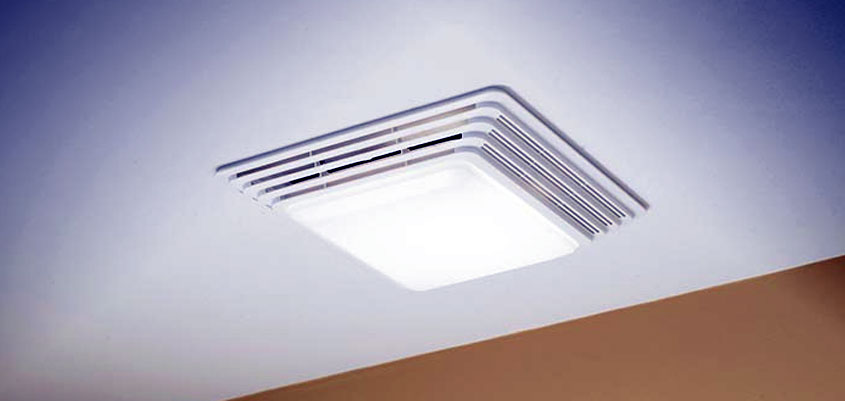
Ventilador de baño para renovar el aire en estancias húmedas