¿Cómo usamos la realidad virtual para diseñar sistemas de ventilación?

superadmin
January 29, 2020
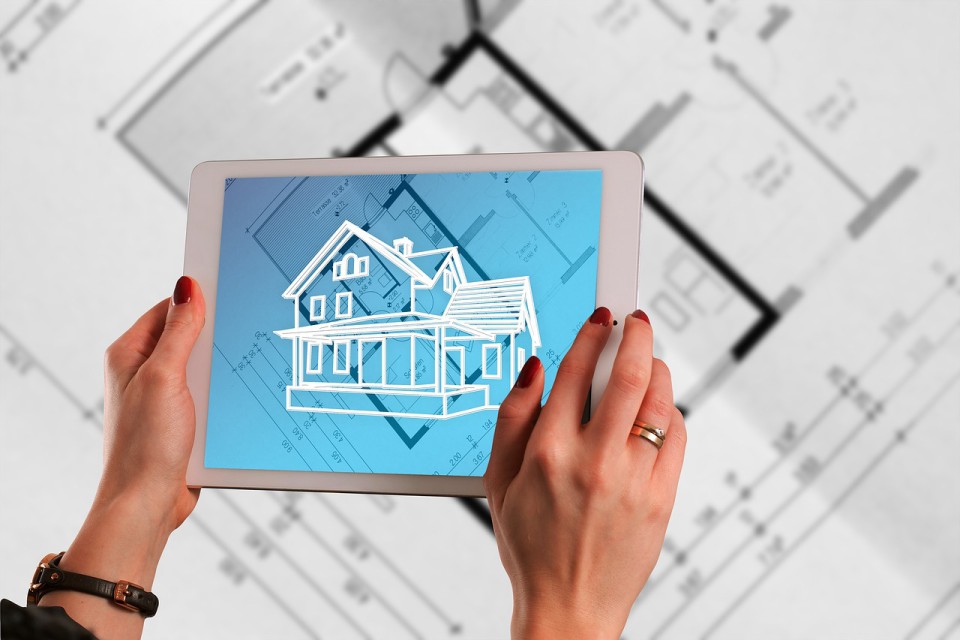
La realidad aumentada (RA) consiste en el conjunto de dispositivos tecnológicos mediante los cuales se visualiza una parte del mundo real con información añadida virtualmente. Es decir, se añaden elementos virtuales como gráficos o información en distintos formatos sobre el entorno que se visualiza en tiempo real.
Esta peculiaridad aporta grandes ventajas a nivel económico y de tiempo, ya que posibilita realizar pruebas de todo tipo de manera remota y visualizar de manera muy simple todo tipo de detalles e información. De esta manera, un técnico podría visualizar los componentes de un equipo simplemente apuntando hacia él un dispositivo con una app de AR, sin necesidad de consultar complicados y extensos manuales.
¿Cómo usamos la realidad aumentada para diseñar sistemas de ventilación?
Conocemos la realidad aumentada principalmente para fines de ocio, pero, por sus características y múltiples ventajas, estamos ante una herramienta muy útil para el sector de la construcción que permitirá realizar los procesos de trabajo de una forma más eficiente y contribuir al el diseño y dimensionadoLa realidad aumentada que es una herramienta complementaria para realizar un proyecto de construcción completo, ya permite la visualización del edificio in situ. En el caso de ventilación y la arquitectura, sirve de gran ayuda en el diseño y dimensionado de los sistemas de ventilación de nuevas edificaciones.
La Realidad Virtual y proyectos de arquitectura de la mano
Con esta tecnología se pueden visualizar los edificios en el momento previo a su construcción, situándonos de manera virtual en él para percibir los espacios y las estructuras.En el caso de la ventilación, la realidad virtual permite comprender el impacto estructural y estético de los conductos de ventilación, pudiendo realizar pruebas de montaje virtuales y escogiendo el lugar idóneo para la instalación definitiva.
Existen varias aplicaciones y programas para poder utilizar la realidad virtual en la arquitectura. Entre ellos podemos destacar AR Siber, que te permite visualizar la instalación de los sistemas de ventilación en un plano tridimensional de una vivienda, o Fuzor, que utiliza BIM para poder analizar factores como la iluminación.
Todos estos programas ayudan a la elaboración del edificio a gusto del consumidor, dando un punto de vista diferente y ayudando a su visualización.
Beneficios de la Realidad Aumentada
El uso adecuado de la Realidad Aumentada ayuda a alcanzar varios objetivos de una forma más sencilla. Gracias a sus características, mediante la utilización de esta tecnología, obtenemos los siguientes beneficios:- Simulación de vida del edificio: mediante la supuesta circulación de personas gracias a esta tecnología, podemos observar el transcurso del tiempo y ver si hace falta optimizar los espacios y flujos de aire.
- Concepción de espacios: debido a la recreación del proyecto, podemos introducirnos en él de una forma virtual y prever problemas que puedan surgir.
- Recreación de catástrofes: ante la aparición de cualquier catástrofe, la realidad aumentada permite analizar qué sucedería con la intención de reducir los daños.
- Verificación de los equipos: debido a la posibilidad de realizar un diseño previo, se puede representar la distribución de los sistemas de ventilación y ver su impacto visual, además de aspectos funcionales.
- Aspectos de diseño: visualmente hablando, se puede elegir más fácilmente dónde iría ubicado cada sistema y elemento para ver si tiene impacto visual negativo.


Siber Ventilación
Entradas relacionadas