Características constructivas del shunt de ventilación
El shunt de ventilación: dimensiones y materiales
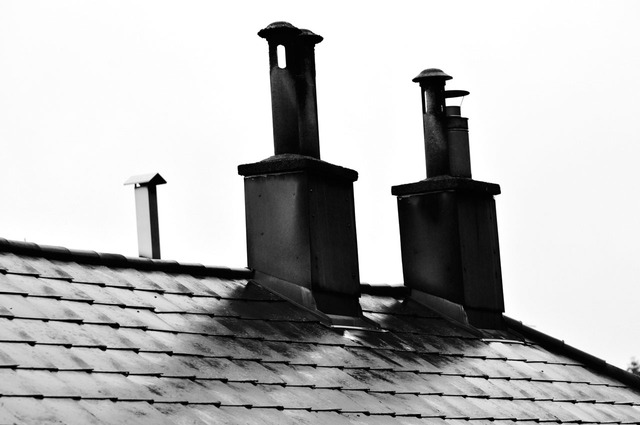
El shunt es un elemento constructivo que se utiliza para la evacuación de olores y la renovación del aire contaminado en los núcleos húmedos que no poseen ventilación natural. Es un sistema pensado principalmente para funcionar en bloques de viviendas, donde los cuartos de baño y las cocinas se encuentran agrupados en un mismo eje vertical. De esta manera, el shunt queda formado por un único conducto de piezas prefabricadas por el que se puede evacuar el aire en todas las plantas. El shunt suele estar acompañado de un aspirador estático, que facilita la circulación del aire por medios naturales. Este elemento se debe ubicar por encima del nivel de cubierta, para permitir que el viento pase entre sus lamas y favorezca la salida del aire que se encuentra dentro del conducto. De este modo, al disminuir la presión dentro del mismo, entra aire nuevo en el conducto a través de rejillas situadas a lo largo de su longitud. Las lamas suelen ser de aluminio, y su diseño permite obtener un efecto Venturi que aumenta el rendimiento del conducto y evita la entrada de lluvia. Desde la entrada en vigor en el año 2006 del Código Técnico de la Edificación, la ventilación realizada mediante un shunt debe ser híbrida o mecánica.Los materiales con los que se fabrican los conductos de un shunt suelen ser el acero galvanizado o acero inoxidable con dimensiones variables en función del tipo de ventilación empleada para la extracción del aire. En el caso de emplearse una ventilación mecánica, las dimensiones de los conductos varían entre 200 y 625 cm2 según el fabricante, mientras que para una ventilación híbrida los conductos suelen tener 625 cm2 de sección, distribuida en dos conductos.
Mantenimiento del shunt
El deshollinado o limpieza del shunt es muy importante a la hora de garantizar que la evacuación de humos sea correcta. Por tanto se debe conservar en buen estado, manteniendo limpio su interior. También se debe prestar atención a la caperuza colocada en la parte superior. La suciedad y la obstrucción es uno de los principales problemas detectados en el shunt y una de las principales causas que provocan la entrada de olores procedentes de otras viviendas. Otros problemas comunes son:- Obstrucciones debidas a la presencia de nidos de aves.
- Poca extracción derivada de la estructura y formación de la caperuza.
- Roturas en la zona exterior del conducto o en la caperuza.
- Caída de cascotes en el interior debido a la existencia de obras.
- Irregularidades en el diseño o la construcción del shunt.


Siber Ventilación
Fabricante de Sistemas de Ventilación con Alta Eficiencia Energética. Siber, provee un conjunto de soluciones de alta eficiencia energética en ventilación eólica y mecánicamente inteligente, mejorando la Salud, Higiene y Confort de las personas, siendo respetuoso con el medio ambiente.
Entradas relacionadas

admisión de aire
conductos
extracción de aire
intercambiador térmico
Rehabilitación eficiente
renovación de aire
ventilación
ventilación mecánica
ventilación natural
¿Por qué es necesaria la ventilación mecánica en las viviendas?
La necesidad de ventilar las viviendas mediante ventilación mecánica se debe al elevado nivel de hermeticidad que tienen los edificios actualmente

caudal de aire
eficiencia energética
sistemas de ventilación de doble flujo
Sistemas de ventilación y componentes
ventiladores
Sistemas de ventilación con caudal constante, ¿cómo funcionan?
Los sistemas de ventilación con caudal constante se adaptan a las necesidades reales de ventilación y evitan pérdidas de carga o de eficiencia.
Sistemas de ventilación y componentes
aire limpio
calidad del aire
humedad
Purificación aire
Purificadores de aire: funcionamiento y posibilidades en nuestro hogar
El aire que respiramos en casa puede ser de escasa calidad y, para eso, necesitaremos soluciones como las que ofrecen los purificadores de aire. ¿Son eficientes? Te lo contamos.