



Logra alcanzar una humedad relativa en el hogar
Cuando nos referimos a que hemos de lograr un confort en el hogar gracias a una buena ventilación, en numerosas ocasiones nos centramos en los sistemas de ventilación y en alcanzar una buena eficiencia energética. En que los costes sean mínimos y se aproveche la tecnología para ventilar mejor. Sin embargo, para que realmente nos encontremos buenas condiciones confortables también debemos de preocuparnos de la salubridad en el hogar. Y, para ello, no podemos obviar los niveles de humedad relativa, que si son elevados pueden conllevar problemas.
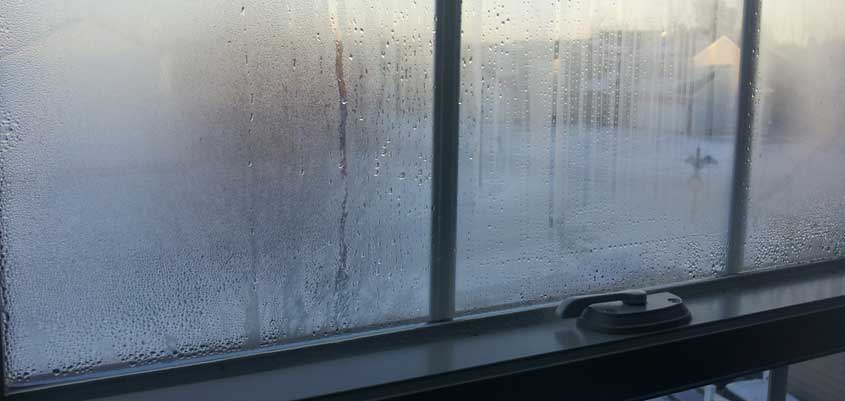
La humedad en el hogar no es simplemente un indicador del volumen de agua en el aire. Es también responsable de cambios de temperatura, de deterioros en el edificio y, lo que es peor, de posibles problemas de salud en las personas.
Y hemos de tener en cuenta que la humedad relativa tiene una afectación directa sobre nosotros y también en nuestro entorno. Las diferencias con la humedad absoluta son de carácter técnico: la humedad relativa es la “masa de vapor de agua en el aire por volumen dividida por la masa de vapor de agua por volumen en el punto de saturación a la misma temperatura", mientras que la absoluta es simplemente el peso del vapor de agua contenido por unidad de volumen de aire, medido generalmente en Kg/m3.
Sin embargo, la humedad absoluta nos sirve de bien poco para medir la salubridad de una estancia, mientras que la relativa es importantísima porque nos dice el total de humedad respecto al punto de saturación, el cien por cien.
Si el punto de saturación es llegar al total, ese 100%, la humedad relativa puede decirnos aspectos clave en un edificio. Si, por ejemplo, queremos secar la ropa y la humedad está al 70%, nos costará mucho más que si solo estuviera al 30%.
Es muy importante controlar la humedad relativa en interiores. Que esté por debajo de los niveles puede provocar sequedad, pero por encima puede ser un agente peligroso que pone en riesgo la salubridad del hogar. Además, puede conllevar las siguientes consecuencias negativas:
- Influye en la sensación térmica de las estancias, haciendo más notorios los efectos del frío y del calor. Con humedad, los inviernos son más gélidos y los veranos más calurosos.
- Propicia el medio idóneo para la aparición de hongos. Puede aparecer moho, pero también ácaros y otros agentes dañinos y causantes de dolencias alérgicas, además de provocar malos olores.
- Incrementa la emisión de productos químicos (formaldehído, entre otros) de los materiales que tengamos en el hogar.
¿Qué hacer para disminuir la humedad relativa?

Poder controlar los niveles de humedad relativa en nuestros hogares es primordial. Sobre todo en fincas antiguas y en edificios que puedan estar afectados por un exceso de vapor en el agua.
Lo primero es tener en cuenta la humedad ambiental en el edificio, un parámetro que nos dirá la calidad del aire en interiores. Eso significa que se han de tener en cuenta la temperatura seca del aire, la velocidad del aire e incluso las ropas de quienes ocupen el edificio, junto a la humedad relativa. Esos valores también importan.
Eso es porque las condiciones óptimas de humedad relativa varían del invierno al verano. Según lo que estima el Reglamento de Instalaciones Térmicas en Edificios (RITE), en invierno la humedad relativa ha de situarse entre un 40% y un 50%, con una temperatura que ronde los 22ºC. En verano, en cambio, con una temperatura que se sitúe sobre los 24ºC se estima que la humedad relativa ha de estar entre el 45% y el 60%.
Esa humedad del 60% es el máximo al que no debemos de llegar si no deseamos que aparezca moho y empiecen a poder originarse problemas de salud. En el mismo RITE se explica cómo mejorar la calidad del aire para poder solucionar este problema.
Para poder medir la temperatura del aire podemos utilizar un higrómetro. Bastante asequibles, los más modernos miden la temperatura junto a la humedad relativa, además de poder hacer un seguimiento de una estancia en concreto durante un plazo de tiempo determinado.
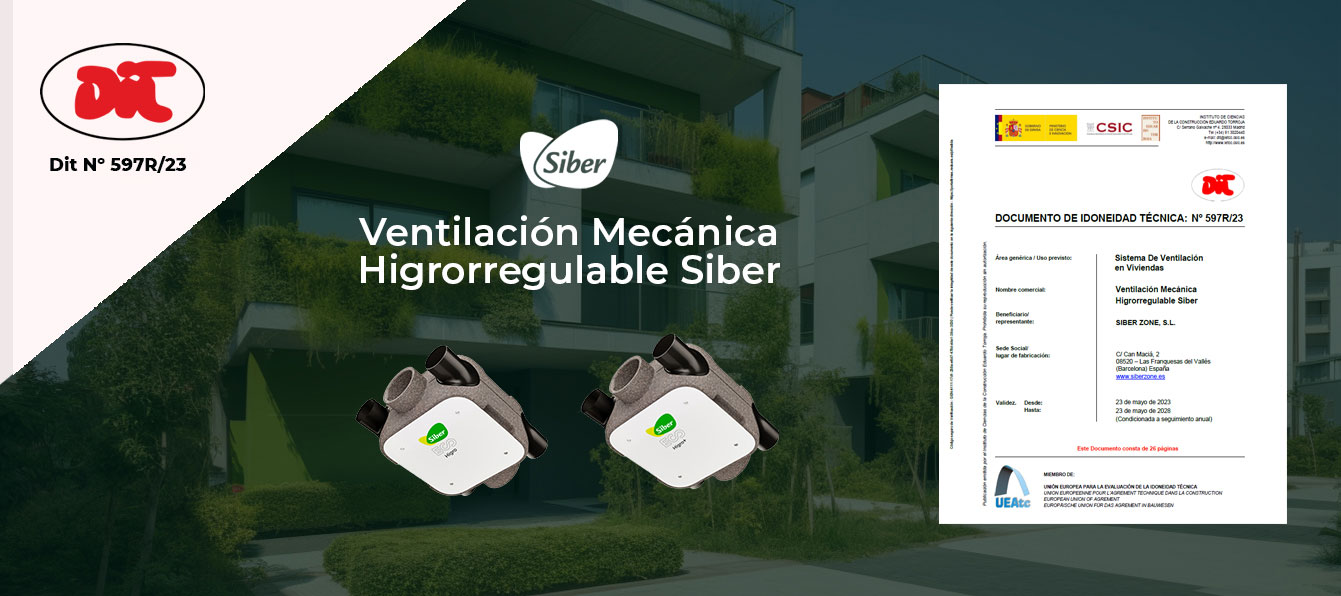
Por supuesto, la mejor manera para combatir la humedad es la renovación del aire. Un sistema de ventilación mecánico podrá llevar a cabo esta tarea, y extraer el aire viciado del interior para renovarlo con aire fresco del exterior. Existen diferentes soluciones de ventilación que nos pueden ayudar a reducir los niveles de humedad relativa en nuestros hogares.
Cabe recordar, igualmente, que unos niveles muy bajos de vapor de agua en el ambiente tampoco es algo positivo. No obstante, es fácilmente solucionable con vaporizadores que lancen partículas al aire. Aunque el mayor problema de la humedad relativa es que pueda afectar a quienes habitan un lugar.

Siber Ventilación
Entradas relacionadas
Purificadores de aire: funcionamiento y posibilidades en nuestro hogar

Confort en la arquitectura, ¿qué es y cómo mejora nuestro bienestar?