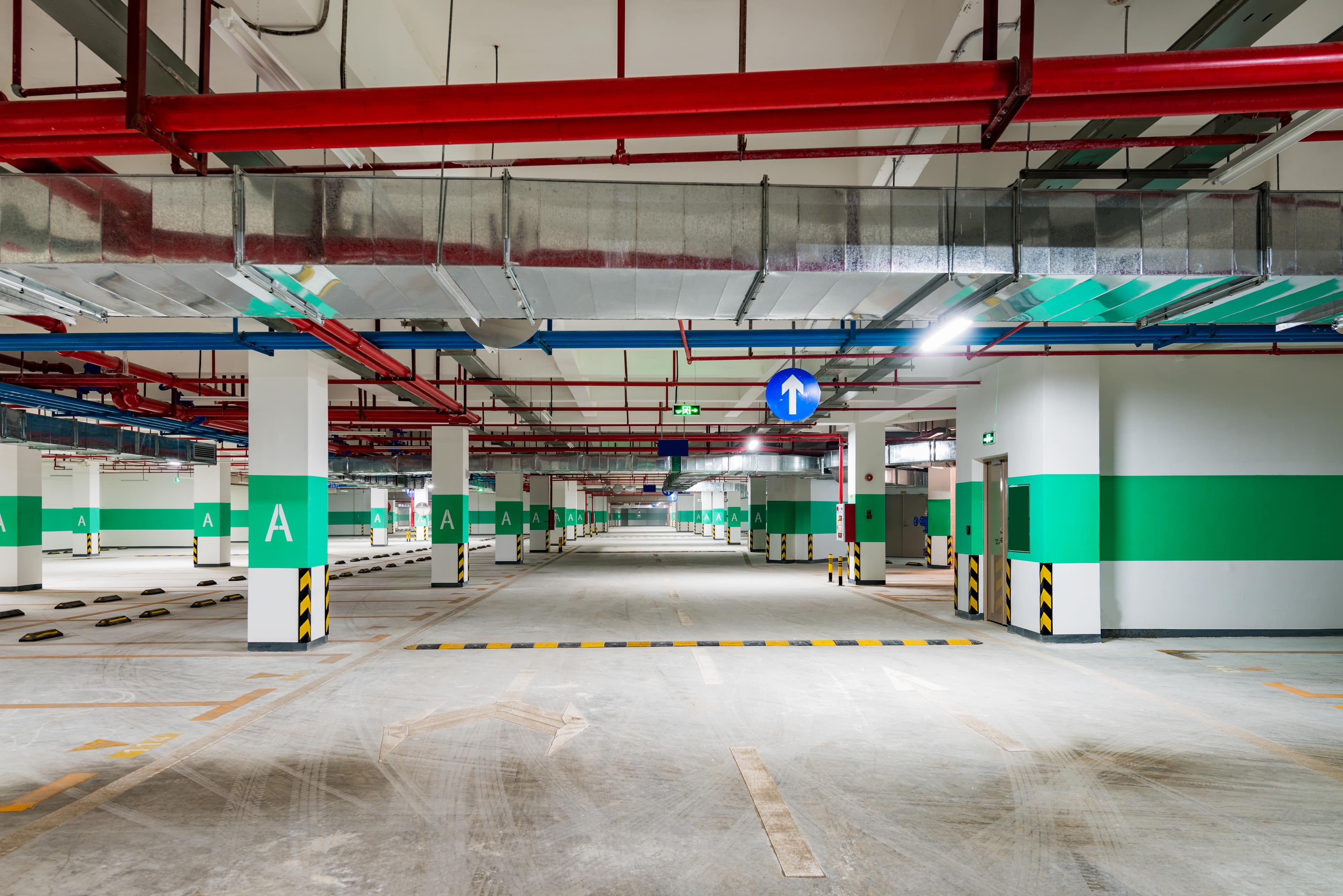


Ventilación en los garajes
La ventilación en garajes subterráneos es clave para mantener la calidad del aire y garantizar la seguridad. Los sistemas diseñados para estos espacios eliminan la contaminación producida por los vehículos, evacuan humos en caso de incendio y aseguran un ambiente saludable y seguro. En Siber, implementamos soluciones que cumplen con normativas internacionales, como el Código Técnico de la Edificación (CTE) y la BS-7346-7, optimizando la eficiencia energética y la protección en cualquier tipo de proyecto.
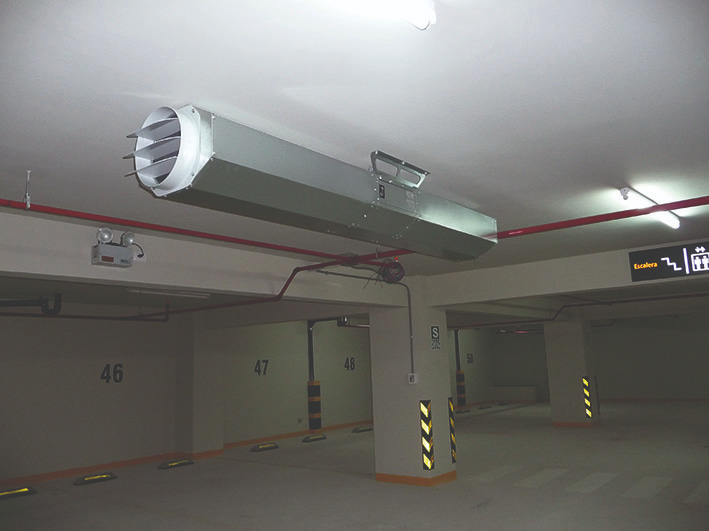
¿Por qué es fundamental un sistema de ventilación en garajes?
Los garajes son espacios cerrados donde la acumulación de gases tóxicos, como el monóxido de carbono (CO) y el dióxido de nitrógeno (NO₂), puede representar un grave riesgo para la salud y la seguridad. Además, en caso de incendio, la evacuación de humos es clave para proteger a las personas y permitir la actuación de los servicios de emergencia.
Un sistema de ventilación bien diseñado:
- Eliminar gases contaminantes:
Como el monóxido de carbono (CO) y el dióxido de nitrógeno (NO₂), que afectan directamente la salud. - Evacuación segura de humos:
En caso de incendio, permiten despejar las rutas de evacuación y facilitan la actuación de los equipos de extinción. - Cumplir con normativas vigentes:
Como el CTE y la BS-7346-7, que establecen criterios claros para garantizar seguridad y salubridad. - Optimizar el consumo energético:
Mediante sistemas eficientes que reducen costos operativos.
Beneficios de usar un sistema de ventilación en garajes






Ventilación para aparcamientos
Ventilación natural
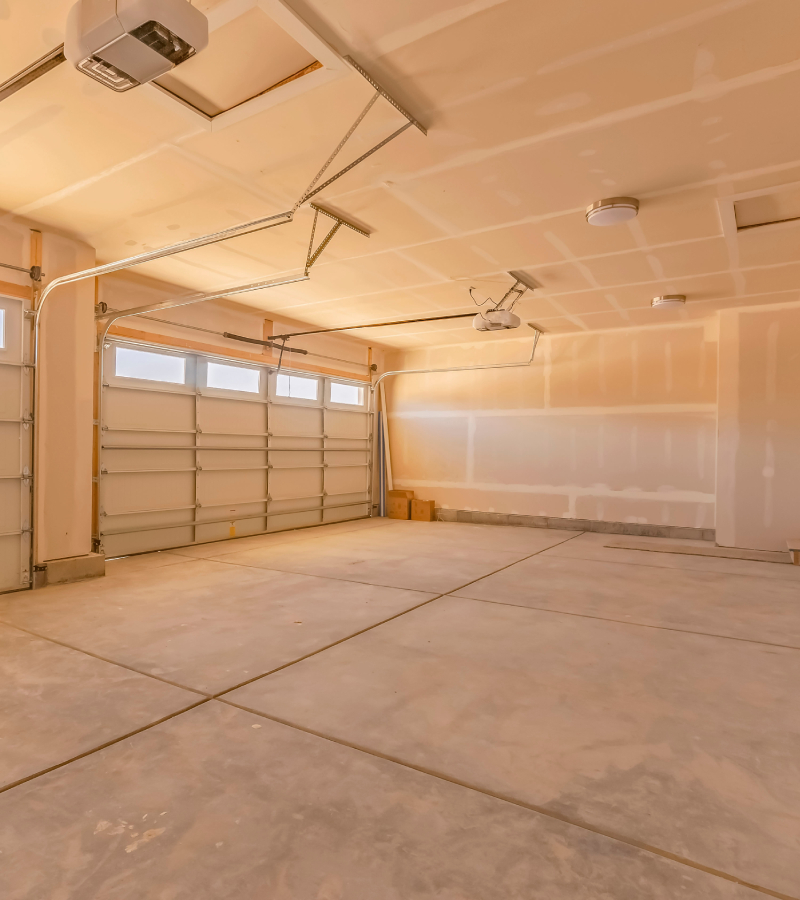
La ventilación natural es la solución más sencilla y económica, utilizando el movimiento del aire a través de aberturas estratégicamente colocadas. Este método depende de diferencias de presión y temperatura entre el interior y el exterior, y es ideal para garajes que no superen los 100 m² o con menos de cinco plazas.
Características adicionales:
- No requiere sistemas mecánicos, lo que minimiza el consumo energético.
- Limitada en su efectividad si no se cumplen las condiciones óptimas de diseño, como flujos de aire no obstruidos.
- Adecuada para proyectos con conexión directa al exterior y baja carga vehicular.
Ventilación mecánica
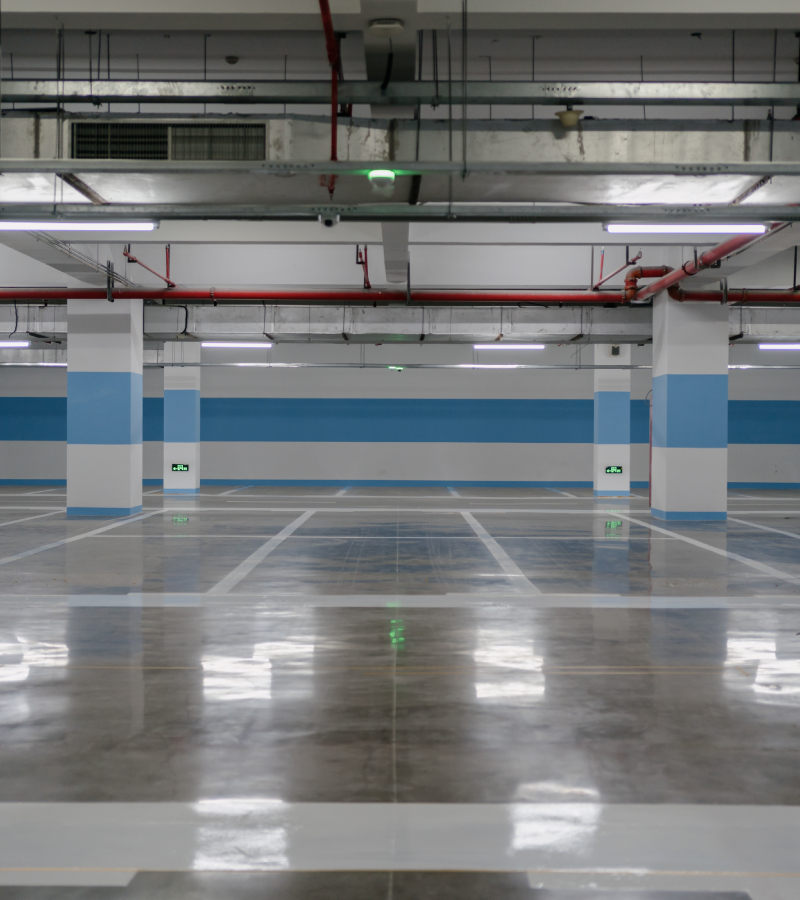
Este sistema utiliza ventiladores para extraer aire viciado y suministrar aire fresco, asegurando una renovación constante y controlada del ambiente. Es obligatorio en espacios cerrados o subterráneos donde no es viable la ventilación natural.
Características adicionales:
- Incorpora sensores de calidad del aire (como detectores de CO), que ajustan automáticamente el caudal según las necesidades.
- Los ventiladores están diseñados para operar de manera eficiente y silenciosa, adaptándose a las dimensiones del garaje.
- Es la solución más versátil, adecuada para garajes residenciales, comerciales e industriales.
Ventilación híbrida
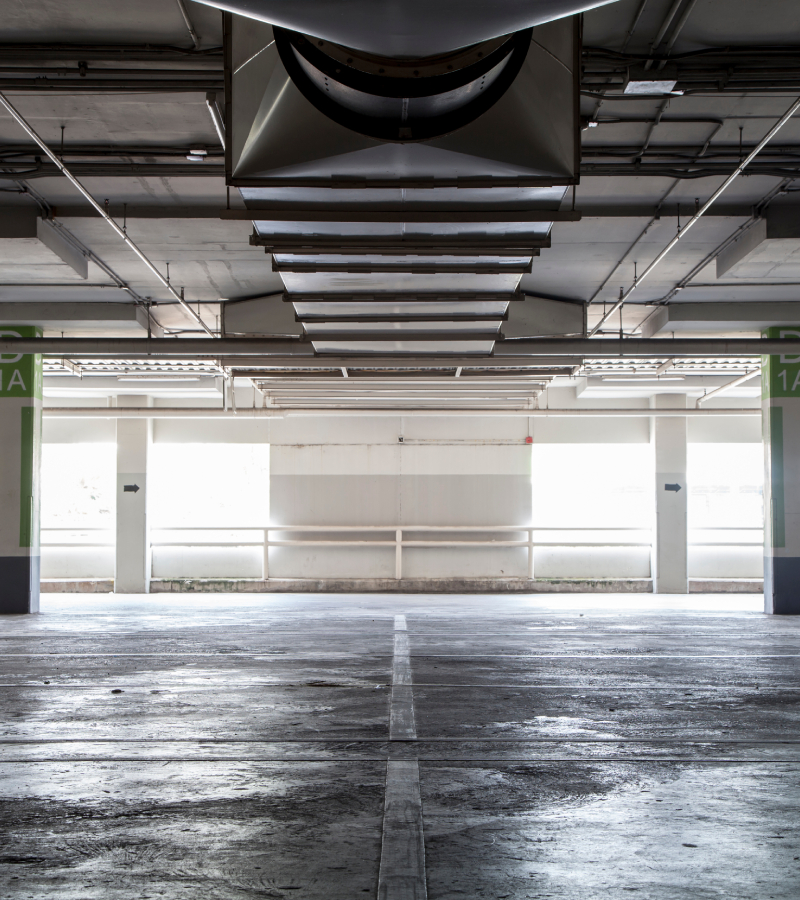
La ventilación híbrida combina las ventajas de la ventilación natural y mecánica, maximizando la eficiencia sin comprometer el rendimiento. Es ideal para proyectos donde parte del garaje tiene acceso al exterior, pero requiere refuerzos mecánicos en zonas críticas.
Características adicionales:
- Reduce los costos operativos al utilizar ventiladores mecánicos solo en momentos necesarios.
- Garantiza un equilibrio entre sostenibilidad y funcionalidad, adaptándose a edificios con normativas exigentes.
- Útil en proyectos de rehabilitación donde no es posible instalar sistemas totalmente mecánicos.
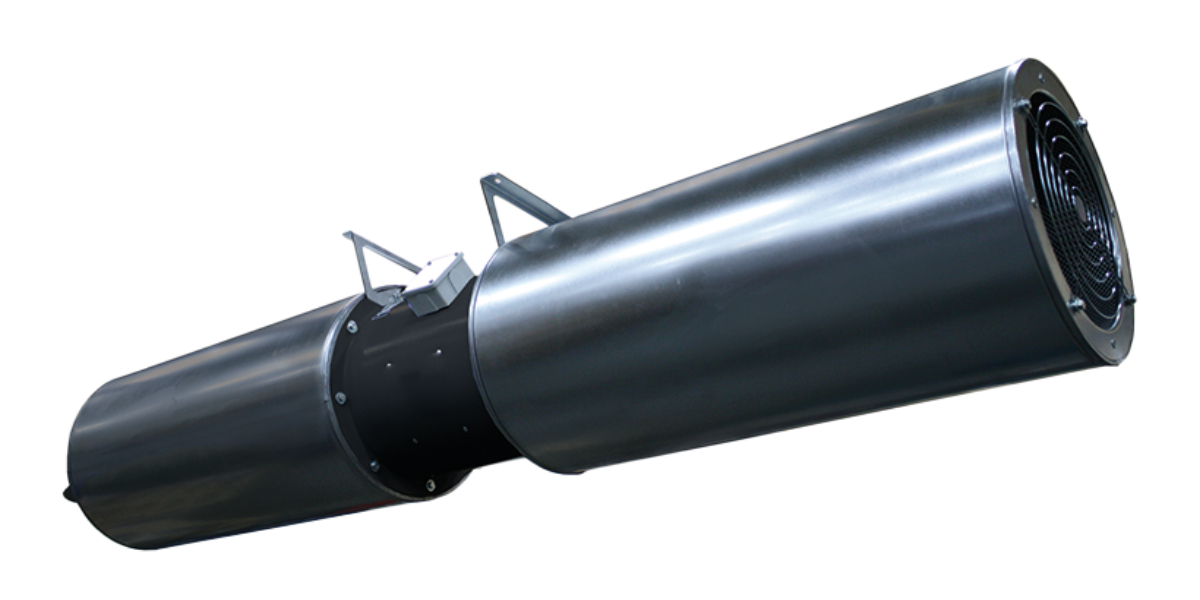
Ventilación por impulso (Jet Fans)
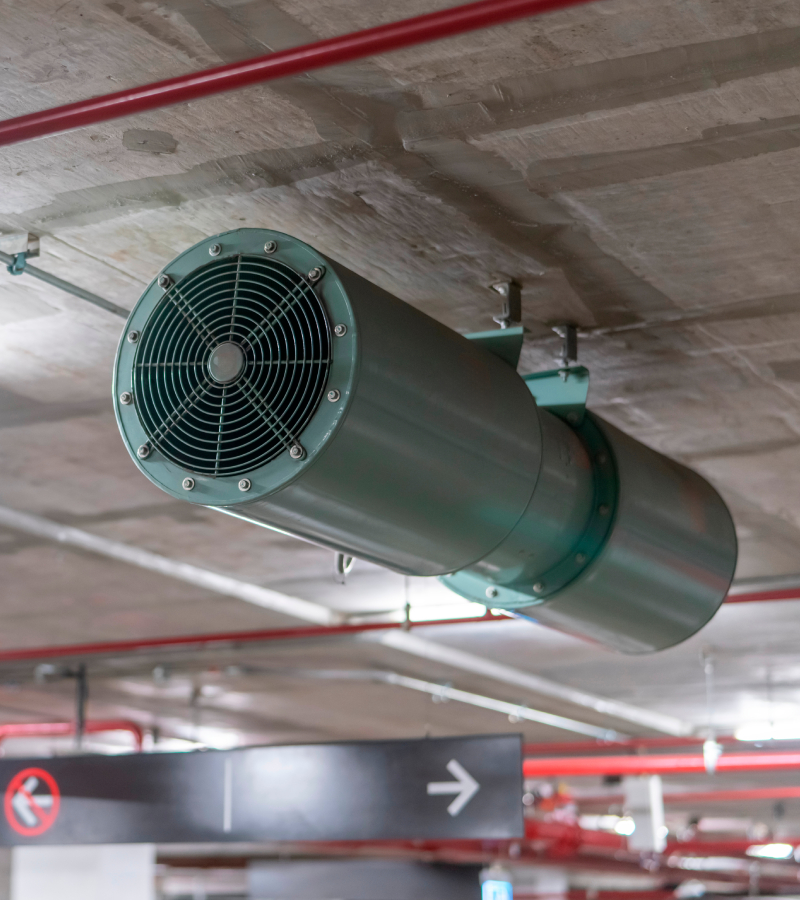
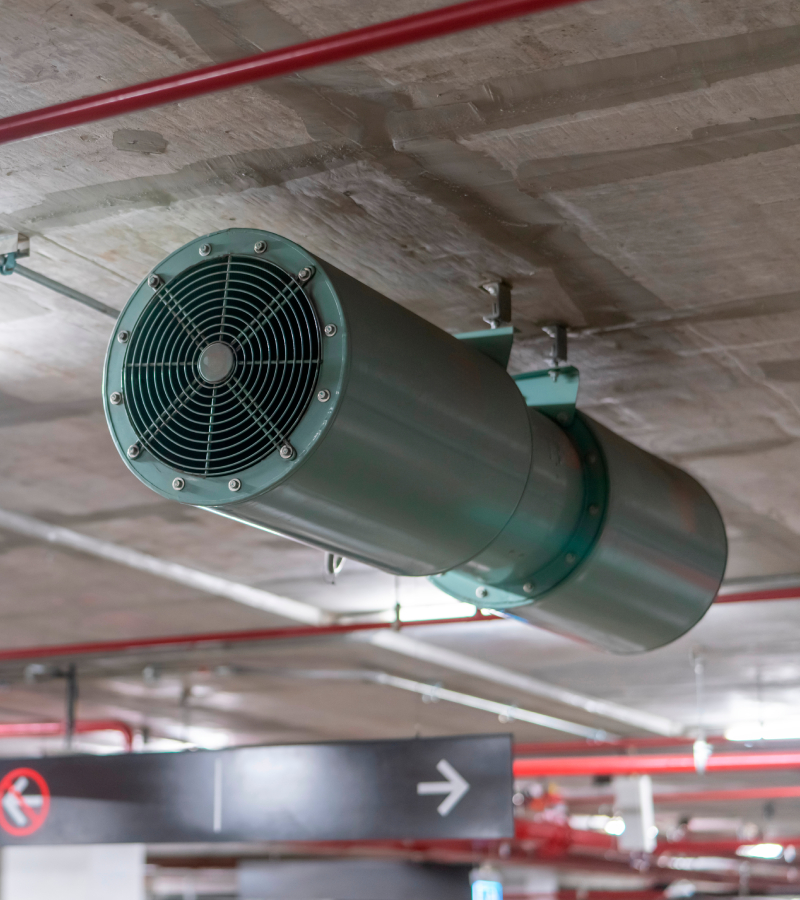
Diseñada específicamente para grandes aparcamientos subterráneos, la ventilación por impulso utiliza ventiladores Jet Fan para mover el aire sin necesidad de conductos extensos. Este método permite una distribución eficiente del flujo de aire, optimizando el espacio y los costos de instalación.
Características adicionales:
- Capaz de evacuar humos y calor en emergencias, facilitando la evacuación y la acción de los equipos de extinción.
- Los Jet Fans se colocan estratégicamente para cubrir áreas amplias, eliminando zonas muertas.
- Permite un diseño arquitectónico más flexible al reducir la cantidad de conductos necesarios.
Importancia de la ventilación en trasteros
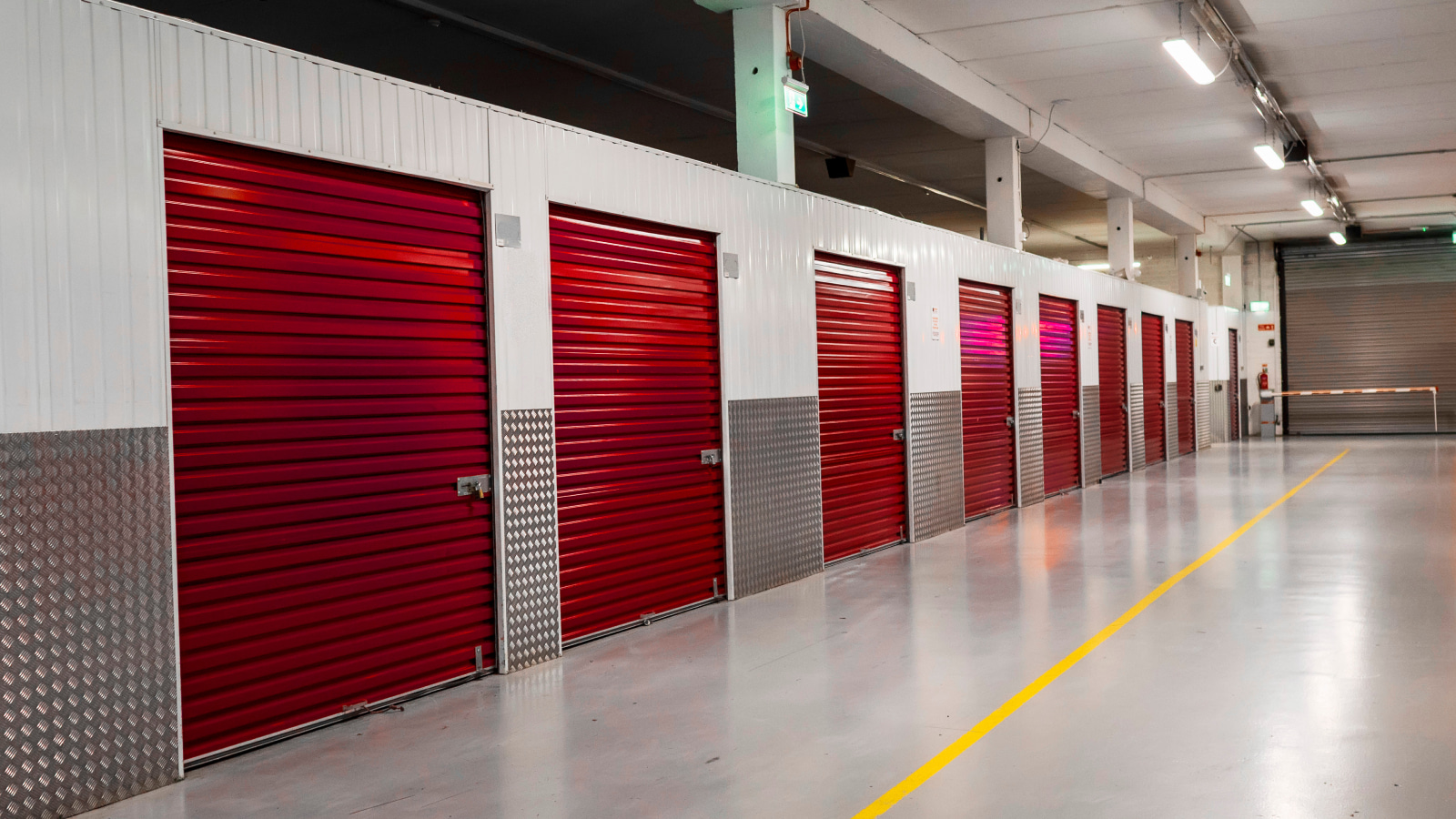
La ventilación en trasteros es esencial para garantizar la salubridad del aire y la seguridad contra incendios en estos espacios cerrados. Según el Documento Básico HS3, todos los trasteros y sus zonas comunes deben contar con ventilación adecuada, ya sea natural, híbrida o mecánica, para cumplir con los estándares normativos y proteger a los usuarios.
Normativa Aplicable
Los sistemas de ventilación en trasteros deben cumplir con el CTE y el RIPCI (Reglamento de Instalaciones de Protección Contra Incendios).
Según su nivel de riesgo, se clasifican en:
- Reducido:Superficie hasta 50 m2 (sector EI 90).
- Bajo:Superficie comprendida entre 11 y 99 m2 (sector EI 90).
- Medio:Superficie comprendida entre 100 y 499 (sector EI 120).
- Alto:Superficie a partir de 500m2 (sector EI 180).
Para trasteros de riesgo medio o alto:
- El caudal mínimo es de 3 renovaciones/hora.
- Los ventiladores deben resistir al fuego F300 90 minutos.
- Conductos internos con resistencia mínima E-600 90.
Equipos para Trasteros
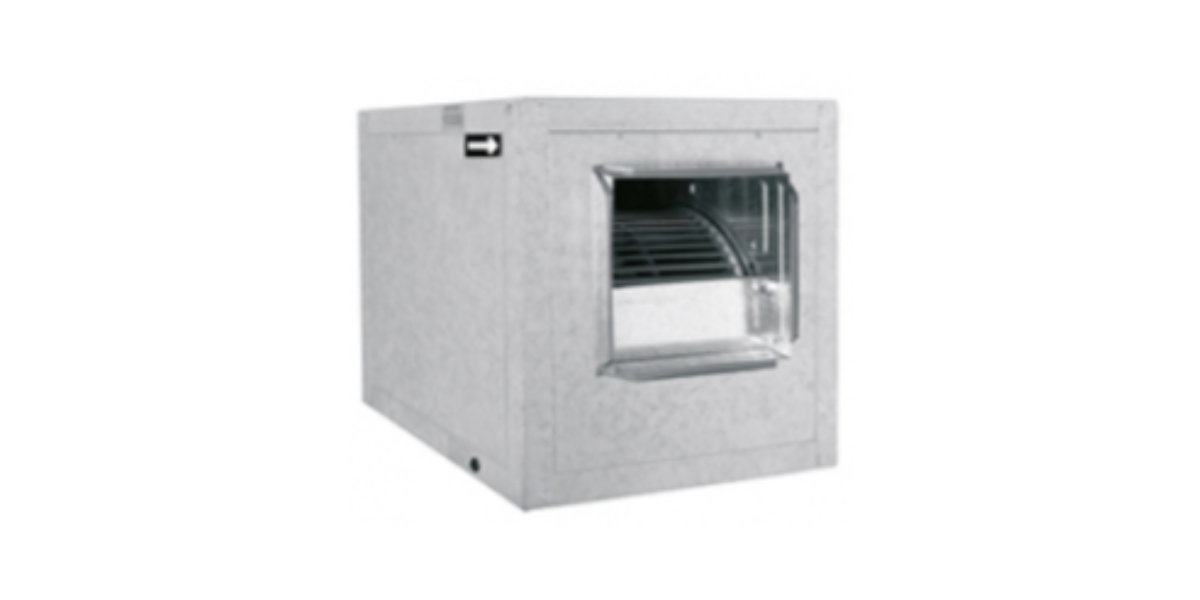
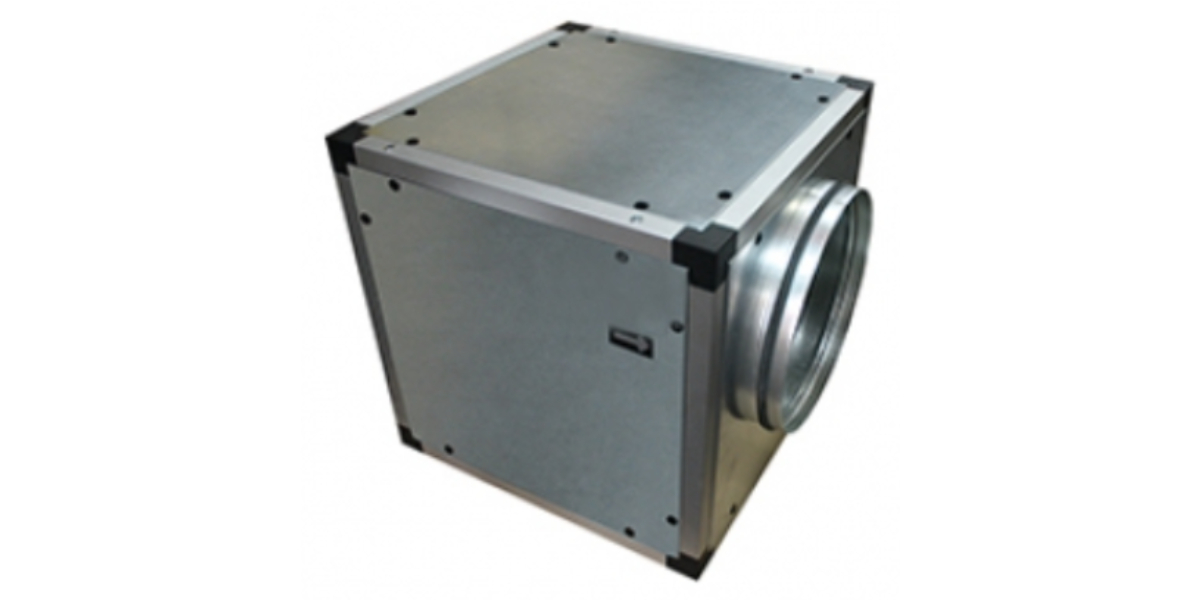
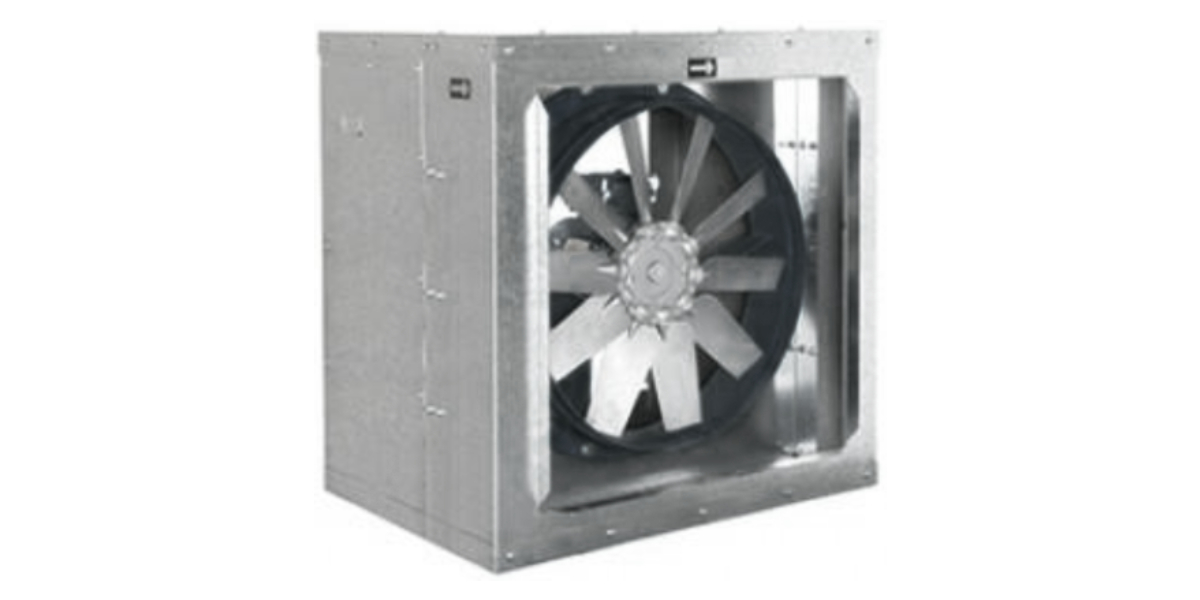
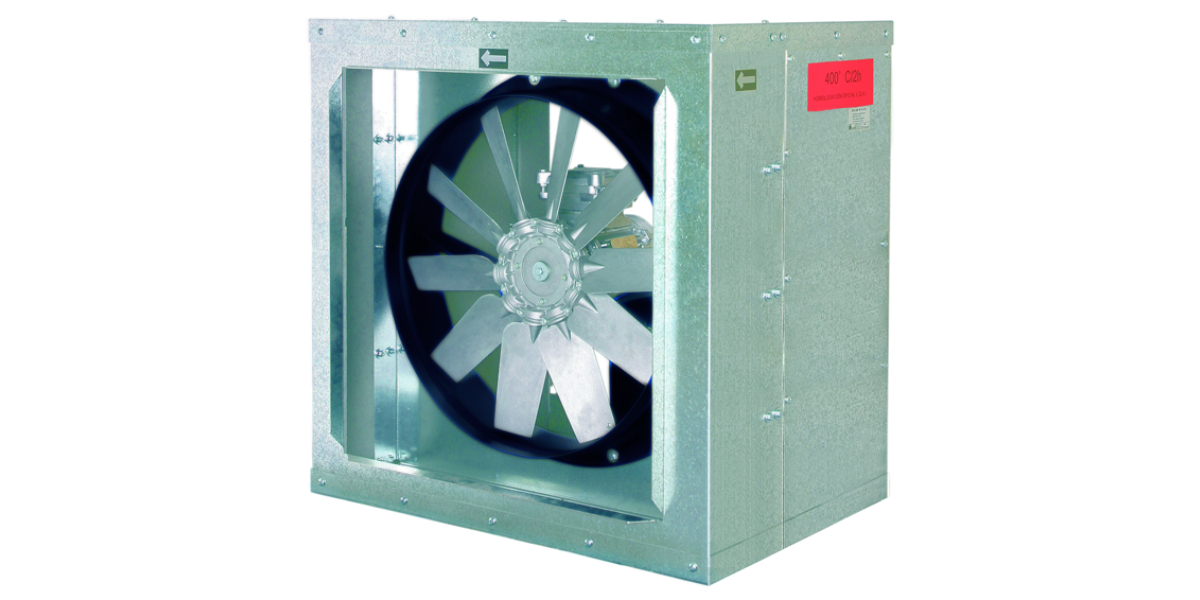
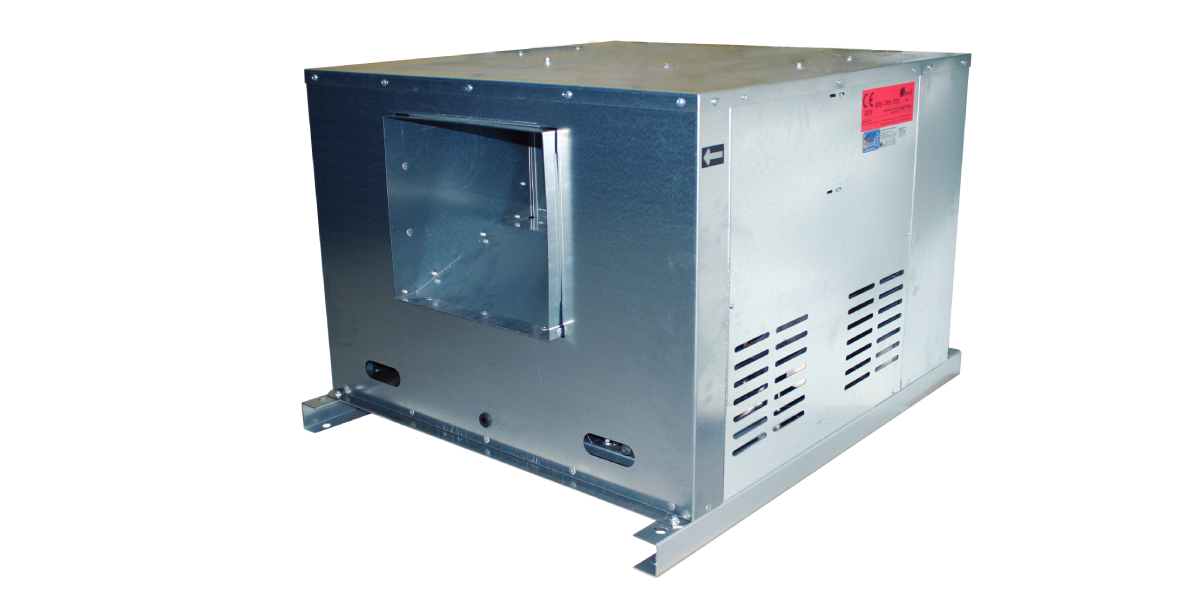
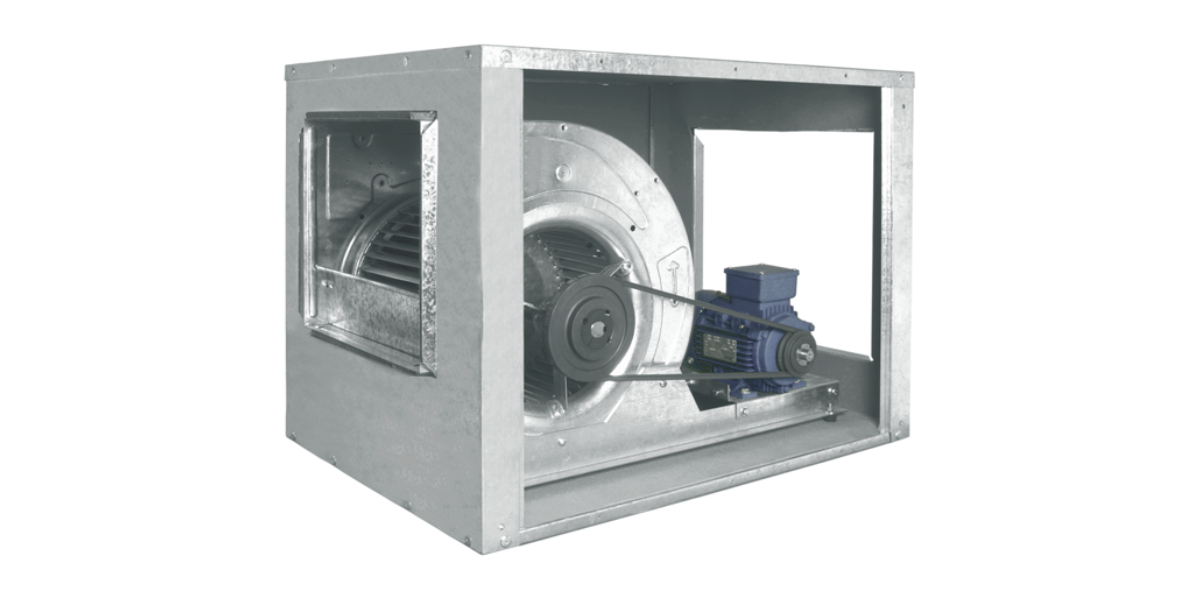
Ventiladores Mecánicos de Extracción:
Garantizan el caudal necesario y operan durante emergencias.
Rejillas Intumescentes RCF EI-90:
Previenen la propagación de humo entre sectores en caso de incendio.
Conductos E-600 90:
Diseñados para resistir el paso del fuego, cumpliendo con normativas estrictas.

La ventilación adecuada de trasteros no solo es un requisito normativo, sino una garantía de seguridad y confort para los usuarios.

Cómo aplicamos nuestros sistemas
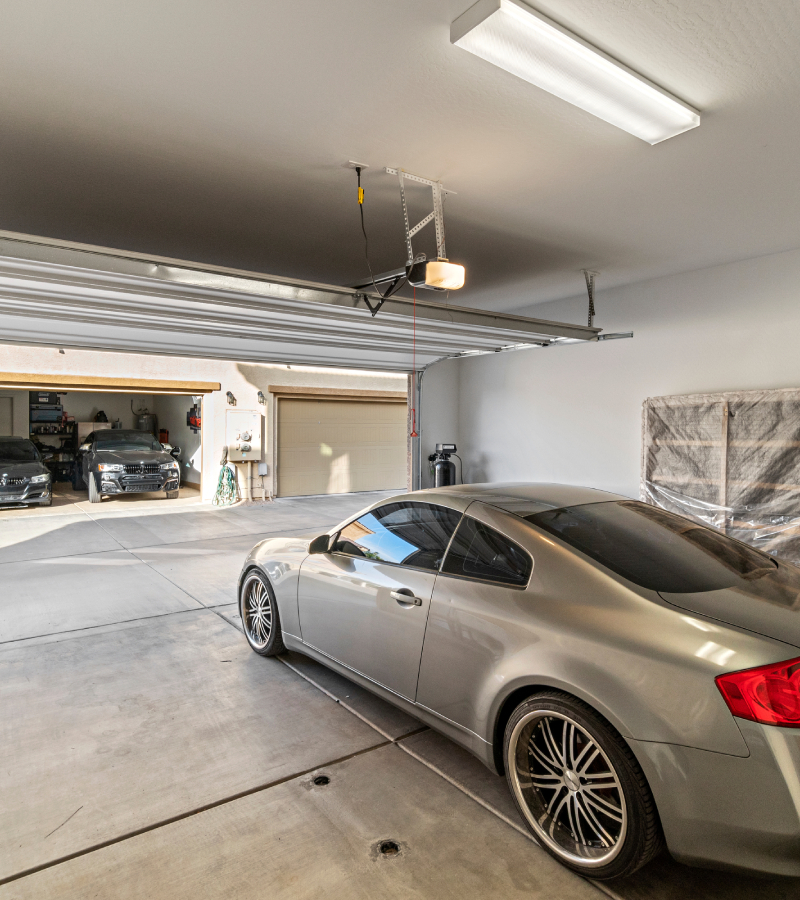
Garajes residenciales
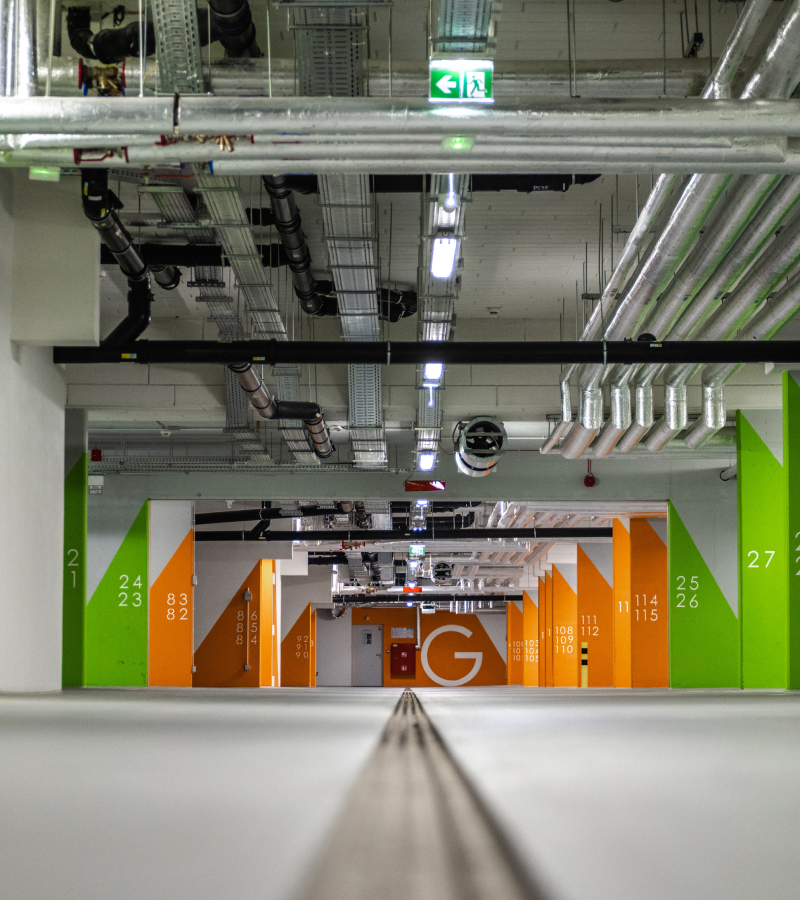
Garajes comerciales
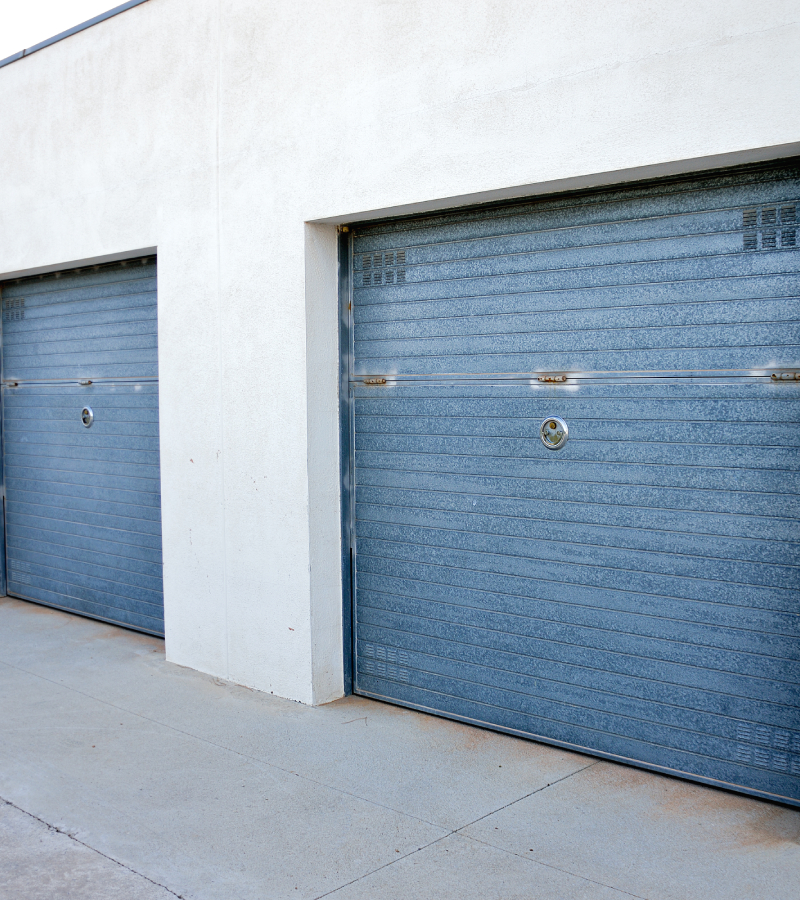
Trasteros en garajes

Evacuación en emergencias
Presurización de escaleras
Un sistema de presurización tiene como finalidad garantizar espacios seguros y libres de humo, esenciales para proteger vidas y bienes en situaciones de emergencia. Este tipo de sistema es crucial tanto para la evacuación segura de personas como para facilitar la intervención eficaz de los equipos de extinción, como los bomberos.

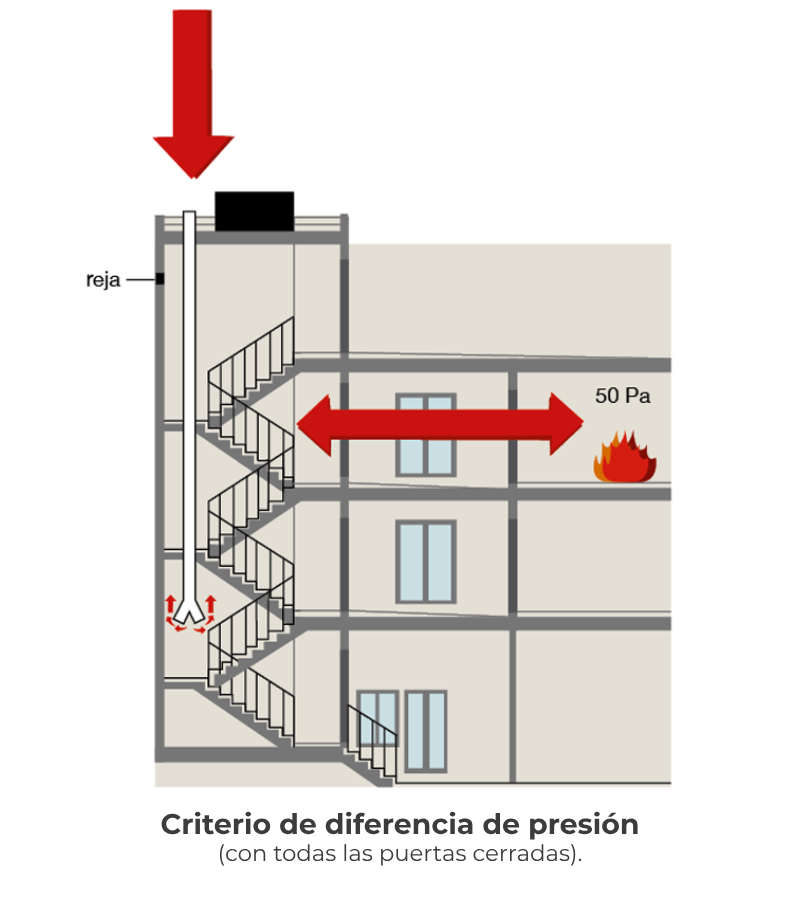
¿Por qué es fundamental la presurización de escaleras?
La presurización de escaleras asegura que las rutas de evacuación se mantengan despejadas al crear una presión positiva que bloquea la entrada de humo desde las zonas afectadas por un incendio. Este diferencial de presión evita filtraciones a través de puertas y juntas, garantizando un entorno seguro y operativo en emergencias.
Su funcionamiento consiste en:
- Generación de presión positiva:
Un ventilador impulsa aire hacia la escalera, manteniendo un diferencial de presión de al menos 50 Pa en puertas cerradas y 10 Pa en puertas abiertas. - Control dinámico:
Una sonda de presión diferencial ajusta la velocidad del ventilador mediante un variador de frecuencia, garantizando que el sistema funcione de forma óptima en todas las condiciones. - Gestión automática:
Integrado con la centralita de control de incendios, el sistema se activa automáticamente en caso de alarma, permitiendo la evacuación sin intervención manual.
Normativas aplicables
Para asegurar su efectividad, los sistemas de presurización deben cumplir con normativas específicas que garantizan su correcta implementación y funcionamiento:
- Código Técnico de la Edificación (CTE):
Define los requisitos mínimos para garantizar la seguridad en caso de incendio. - UNE EN 12101-6:
Establece las condiciones técnicas para los sistemas de presión diferencial en escaleras protegidas - SP 138:2017 (Cataluña):
Regula los cuadros de maniobra diseñados para el uso exclusivo de bomberos en escaleras presurizadas.
Componentes principales

Ventilador que genera la presión positiva.

Detecta la diferencia de presión entre la escalera y las zonas adyacentes.

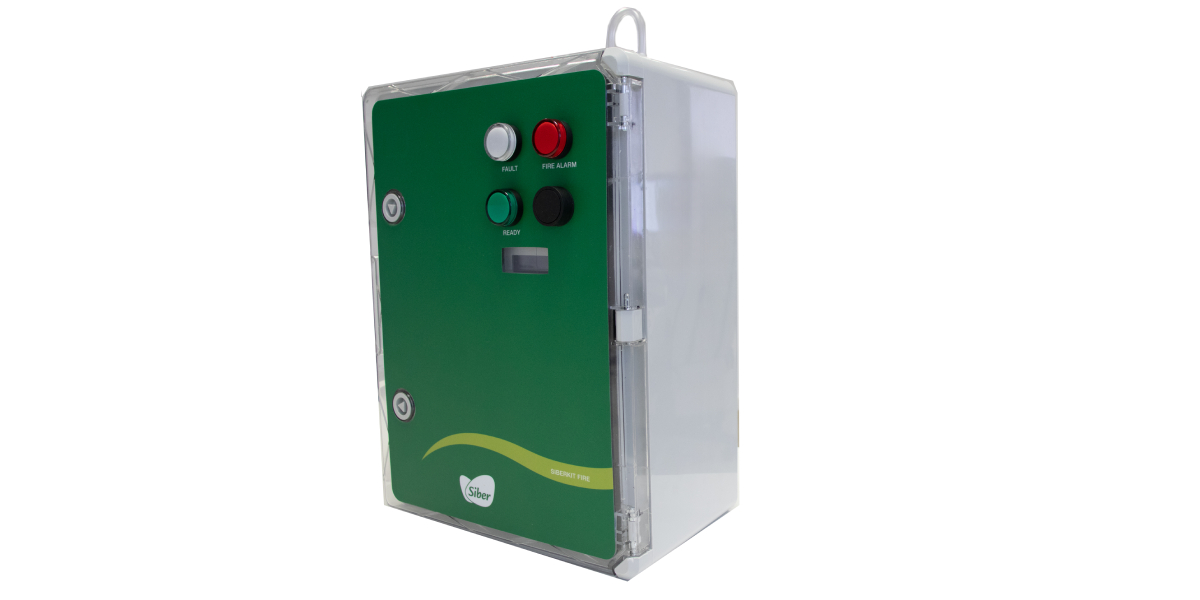
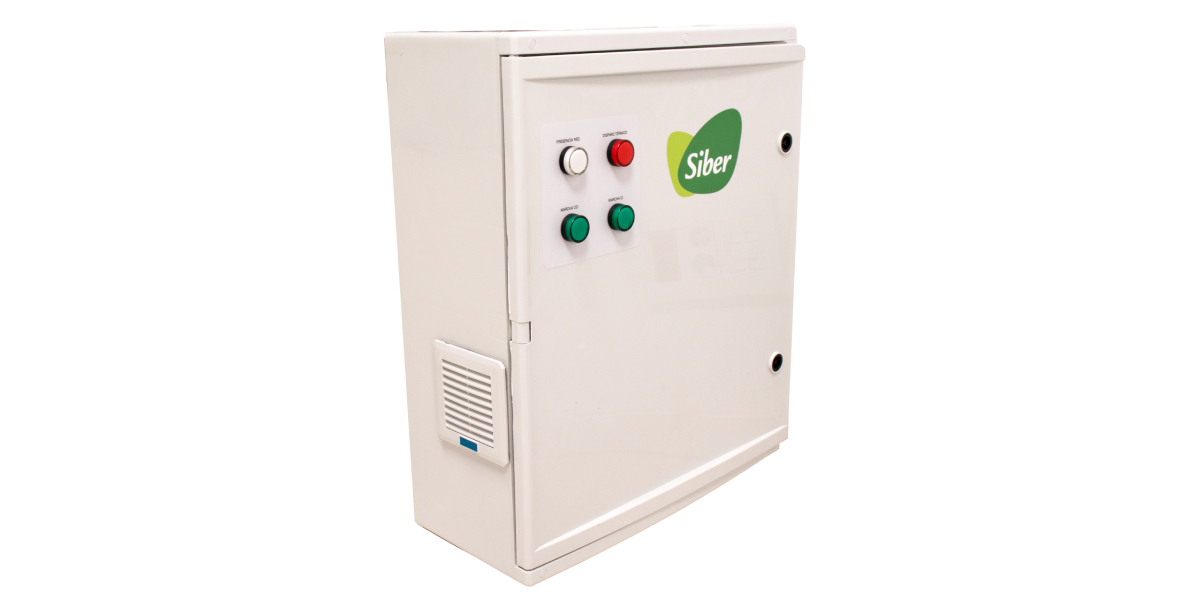
Gestiona el sistema y permite la supervisión por parte de los bomberos.

Diseñados para resistir altas temperaturas en caso de incendio.
Donde aplicamos nuestros sistemas
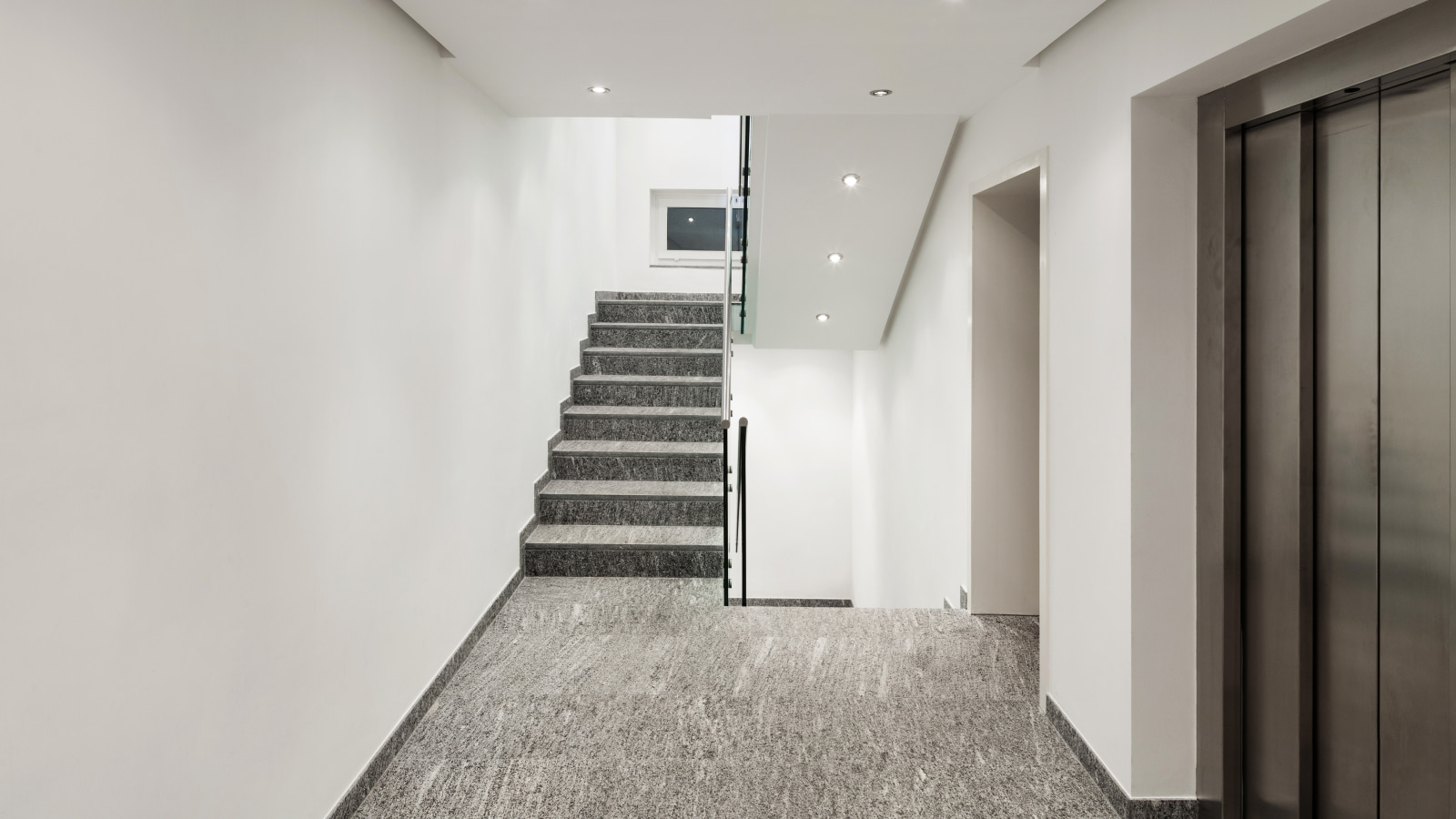
Sistemas diseñados para evacuar a los ocupantes al nivel 0, con rejillas de impulsión separadas por un máximo de 11 metros.
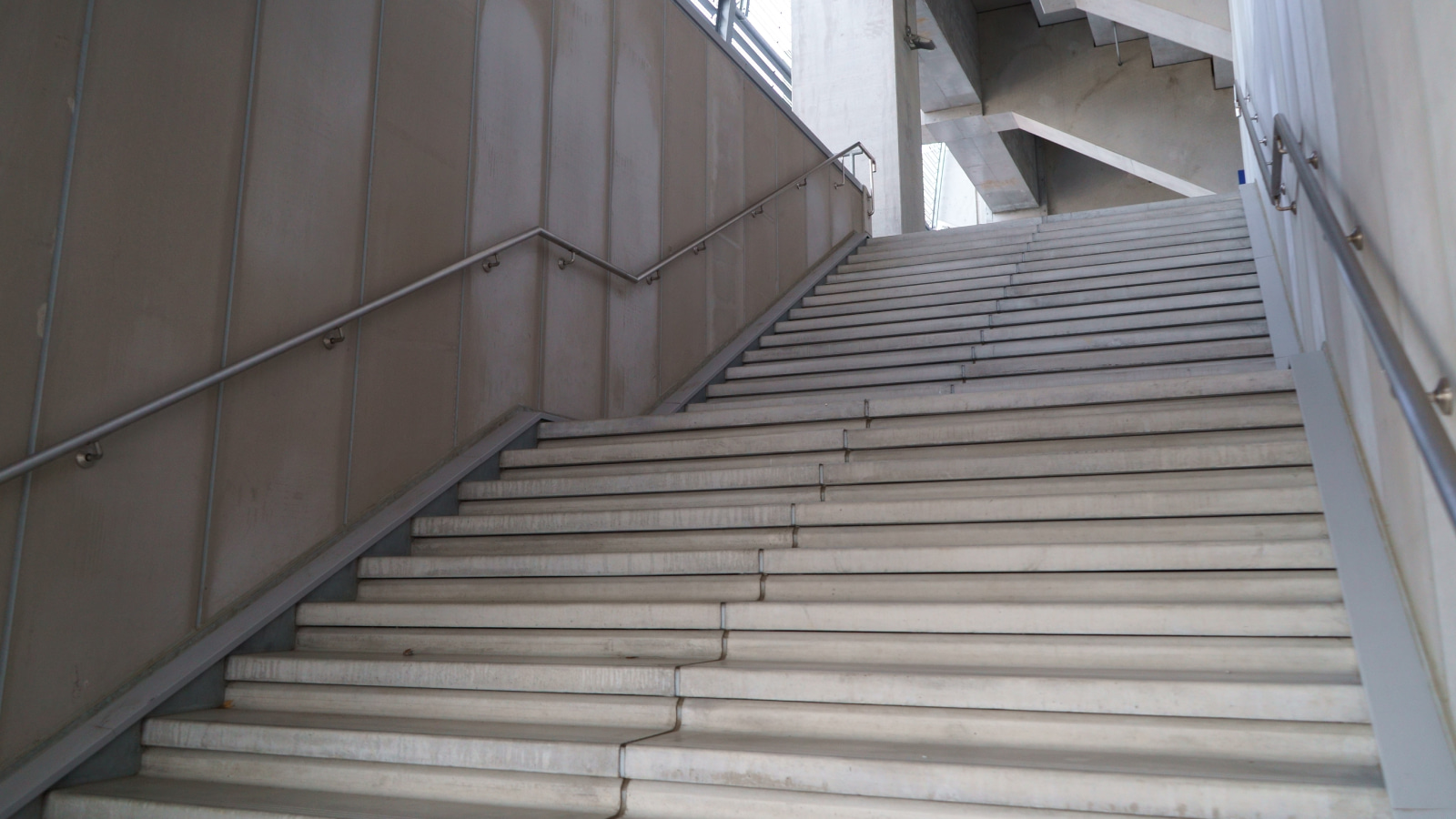
Protegen la vía de escape en aparcamientos subterráneos, con ventiladores capaces de soportar temperaturas de hasta 300°C durante 60 minutos.