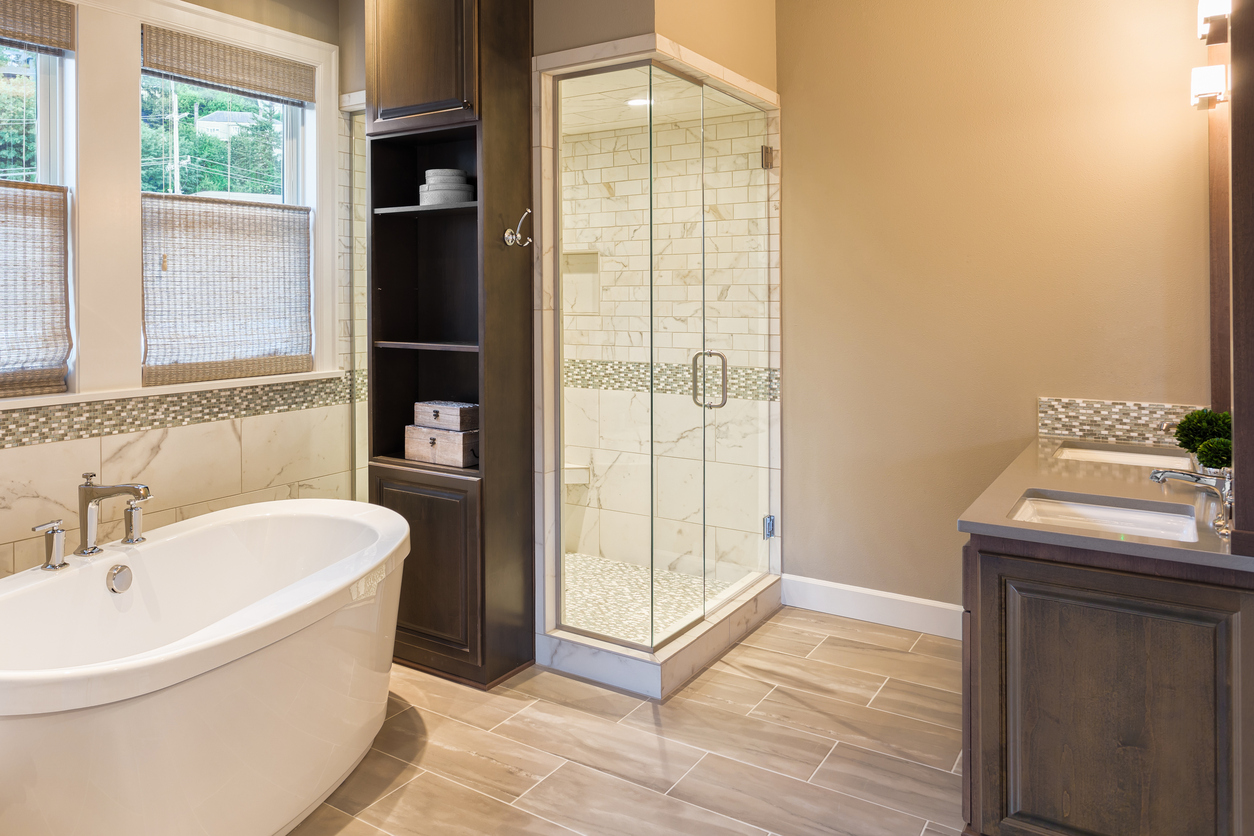
Which is the best ceiling bathroom extractor?

superadmin
March 9, 2017
Do you know what parameters to consider when choosing a ceiling bathroom extractor? Below, we explain more about this essential component of your home's ventilation system.
A extractor is a small electrical device whose function is to ventilate and ensure proper ventilation of certain rooms in a house, thus preventing the condensation that occurs from the regular use of humid spaces (kitchens, bathrooms, and laundries). It is a particularly valuable component, as it minimizes the presence of mold and unpleasant odors.
Current regulations: CTE
According to current regulations, CTE DB HS3 Indoor air quality, “homes must have a general ventilation system, which can be hybrid or mechanical, so that air circulates from dry areas to humid ones. For this, dining rooms, bedrooms, and living rooms must have intake openings; restrooms, kitchens, and bathrooms must have extraction openings; the partitions between the rooms with intake and the rooms with extraction must have passage openings.”Ceiling bathroom extractor:
When designing the ventilation system for our home, we need to consider systems that:- Incorporate self-regulating technology, have an integrated regulator, and maintain the nominal air flow constant, regardless of the pressure. A controlled mechanical ventilation (CMV) system with a simple flow (in both single-family homes and multi-family buildings) guarantees optimal indoor air quality, thanks to the principle of sweeping air from the inside of the house. Air enters through standard or acoustic self-regulating intake openings (located above the windows in bedrooms and living rooms).
- It is also important that the vents are hygro-regulable, meaning they incorporate a device that allows for variation in air flow according to humidity. Vents are available in electric, battery-operated, or cord versions.
- Stato-mechanical extractor for hybrid ventilation. This is a system where, when ambient pressure and temperature conditions are favorable, air renewal occurs as in natural ventilation, and when they are unfavorable, as in mechanical extraction ventilation.
Types of extractors
According to the direction of the air flow, there are three types of bathroom extractors (both for ceiling and wall installation):- Axial. Also called helical, the flow of air enters and exits the fan blade in the same direction as the fan axis.
- Centrifugal. The flow of air enters and exits the fan blade in the same direction as the spokes of the fan.
- Helico-centrifugal. The flow of air enters the fan blade in the same direction as the axis and exits in the same direction as the spokes.


Siber Ventilation
Manufacturer of High Energy Efficiency Ventilation Systems. Siber provides a set of high energy efficiency solutions in wind and mechanically intelligent ventilation, improving the Health, Hygiene, and Comfort of people, being respectful of the environment.