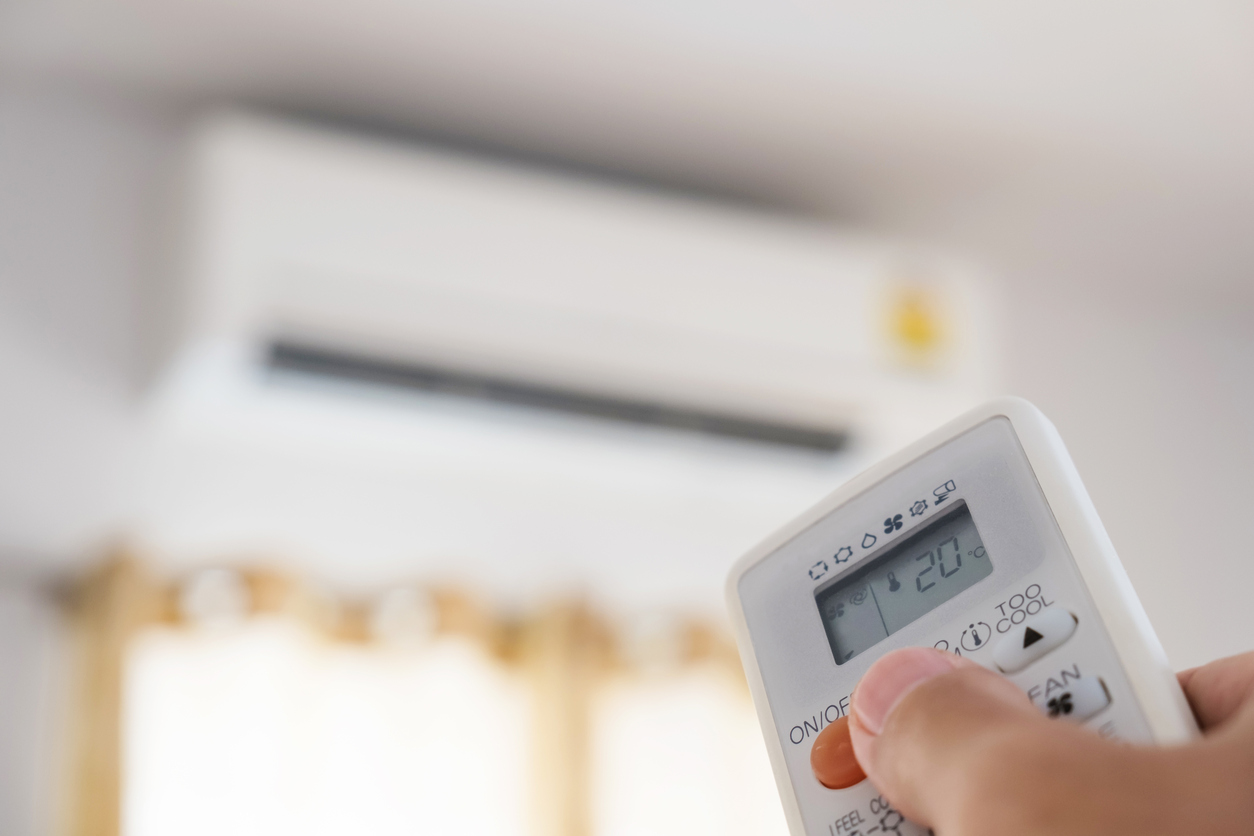
What is it and how does an HVAC system work
An HVAC (heating, ventilation and air conditioning) system is a climate control and ventilation system. As a climate control system, it acts as heating in winter and as cooling in summer. Its purpose is to provide users with an indoor environment whose temperature, relative humidity rate, and air purification are comfortable.
How does it work?
The system contains a gas that, when compressed, increases in temperature due to pressure. Once hot, it flows through a duct where it dissipates its heat. Then, it cools down gradually until it transforms into a low-temperature liquid. This liquid moves through an expansion valve and evaporates becoming a cold low-pressure gas. It then flows through a duct absorbing heat from the interior or exterior of the environment. Afterwards, it is expelled through ventilation grills. This process works continuously while the system is running. Some systems have thermostats that stop the process or put it on hold.A point that should not be overlooked is that HVAC systems must ensure the safety and well-being of users and provide optimal thermal comfort. Therefore, maintenance and hygiene actions must be carried out to ensure that the indoor air of climate-controlled spaces is quality air that does not jeopardize people's health.

Aspects to consider when installing an HVAC system
• We must ensure that the installation design has taken into account the appropriate cooling capacity and a proper distribution of air (one of the most common complaints is due to direct and annoying drafts).• It is essential that the system design is suited to the use of the climate-controlled space. The design of air conditioning for a home is not the same as that for an office.
• The system must be provided with appropriate maintenance and cleaning, taking into account the requirements of the current regulations. It is worth remembering that deteriorated and dirty ducts are among the causes of various discomforts that occupants may suffer: allergies, coughs, throat and eye irritation, bad odors, etc. Special emphasis should be placed on the state and replacement of the filters, as they are responsible for purifying the air by filtering out contaminants. Also on the state of condensation trays and duct laying, remembering that the accumulation of water inside must be avoided (standing water is a breeding ground for the proliferation of microbial organisms).
Towards a paradigm shift
Due to the need to reduce the energy bill and thus comply with the objectives set by the European Union concerning sustainability and the environment, it is urgent to change the paradigm and gradually dispense with traditional climate control systems, as they are mostly highly inefficient from an energy point of view. Currently, there are passive systems capable of reducing the dissipation of energy from the interior of our homes, thereby reducing the use of these conventional climate control systems. These are controlled mechanical ventilation systems that are completely hermetic and airtight, which, thanks to the heat recoverers they incorporate, are able to provide our interiors with healthy indoor air (free of impurities) without compromising thermal comfort.

Siber Ventilation