
What is air dehumidification and how can we do it?

superadmin
April 19, 2023
We are all familiar with the problems caused by dry air. We talk, for example, about irritation of the respiratory tract, itching in the eyes, or redness of the skin. However, excess humidity is also counterproductive to health and comfort within the home. Therefore, on this occasion, we want to discuss in depth the dehumidification process.
What does air dehumidification consist of?
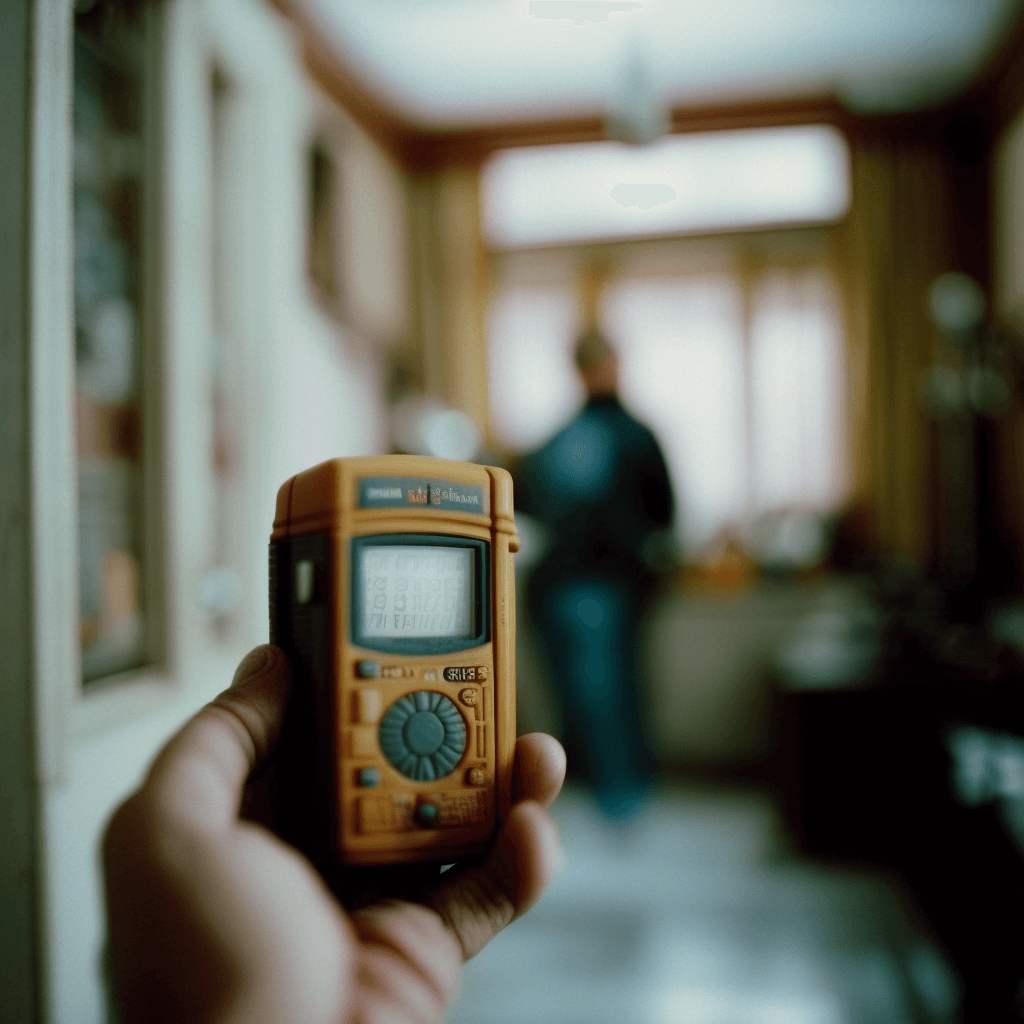
The relative humidity is the value we usually use to measure the amount of water present in the environment. Specifically, this indicator, which can be obtained using a hygrometer, determines the percentage of water vapor contained in the air at a certain temperature.
The process of dehumidification essentially involves removing some of the water vapor present in the air. The goal is to keep the percentage of relative humidity stable within the appropriate values.
What is its function?
Experts recommend that the relative humidity level inside the home should always be between 40% and 60%. If it rises above the highest value, we may experience:
- Increased sensation of cold or heat, depending on the time of year.
- Appearance of mold on walls.
- Higher likelihood of allergic and asthmatic reactions.
- Faster proliferation of bacteria and germs.
- Premature deterioration of wooden furniture.
When should it be done and how?
It is advisable to dehumidify the environment once the relative humidity rises above 60%. However, if there are people with allergies, bone diseases, or asthma in the house, it is recommended to do it when the percentage is between 50% and 55%.To achieve dehumidification of the environment, it is advisable to lower the water temperature during the shower and to open the windows while cooking. There are also plants that can help us in this task, such as English ivy, salon palm, or peace lily.
However, the fastest and most effective way to achieve this is by using a dehumidifier.
What is a dehumidifier, what is it for, and when to use it?
A dehumidifier is an electrical device whose purpose is to reduce the presence of water in the air of a room. In general terms, we can differentiate between two types:- Compressor dehumidifier. They absorb the air from the room and then lead it to a condenser. Inside, it is subjected to very low temperatures, causing the vapor to turn into water and accumulate in a tank. Subsequently, that air is heated to be expelled at room temperature.
- Silica gel or other desiccant dehumidifier. These are cheaper since they don't have a compressor or condenser. However, they are less effective and require periodic replacement. What they do is direct the air to a desiccant rotor in which the silica, activated charcoal, or any other similar material absorbs the excess humidity.

Siber Ventilation