What is a passive house? How to make your house one too
A passive house is basically a home that is designed and built to guarantee optimum interior comfort conditions without using conventional heating or cooling systems. They are also known as passivhaus due to their German origin. To make a house passive, it is necessary to maximize heat gains and minimize energy losses during the winter, and vice versa during the summer, minimizing the heat contributions received. To achieve this, the entire thermal envelope must be equipped with a very high degree of thermal insulation and renew the air through a heat recovery ventilation system. A passive house does not really require any conventional heating system, generally very expensive, but reaches the comfort temperature with small heating systems that provide heat at specific moments when the external climate conditions are very adverse.
The concept of passive house is the basis for the creation of buildings with positive energy , that is, those capable of creating more energy than they consume, using only renewable systems. It is therefore a new concept that is gaining importance in the fight against climate change. It should not be forgotten that approximately half of the CO2 and other greenhouse gas emissions released into the atmosphere come from the energy consumption of buildings. Its application covers the residential, commercial, and institutional sectors in both renovations and new constructions.
What conditions must a passive house meet?
The construction elements that must be designed and built with special attention are as follows:
- Thermal bridges : must be completely eliminated, ensuring the continuity of thermal insulation throughout the exterior surface of the opaque enclosures of the building. The choice of the type of insulation and its thickness depending on the climatic zone where it is located are particularly relevant aspects when controlling the execution of the entire thermal envelope on site.
- High-performance windows : between 25% and 30% of heating consumption is due to heat losses through windows. They are an element of discontinuity within the thermal envelope, so their installation on site requires specialized labor to guarantee their tightness against air and water. The glasses must be double with an air chamber to provide the sufficient level of thermal insulation.
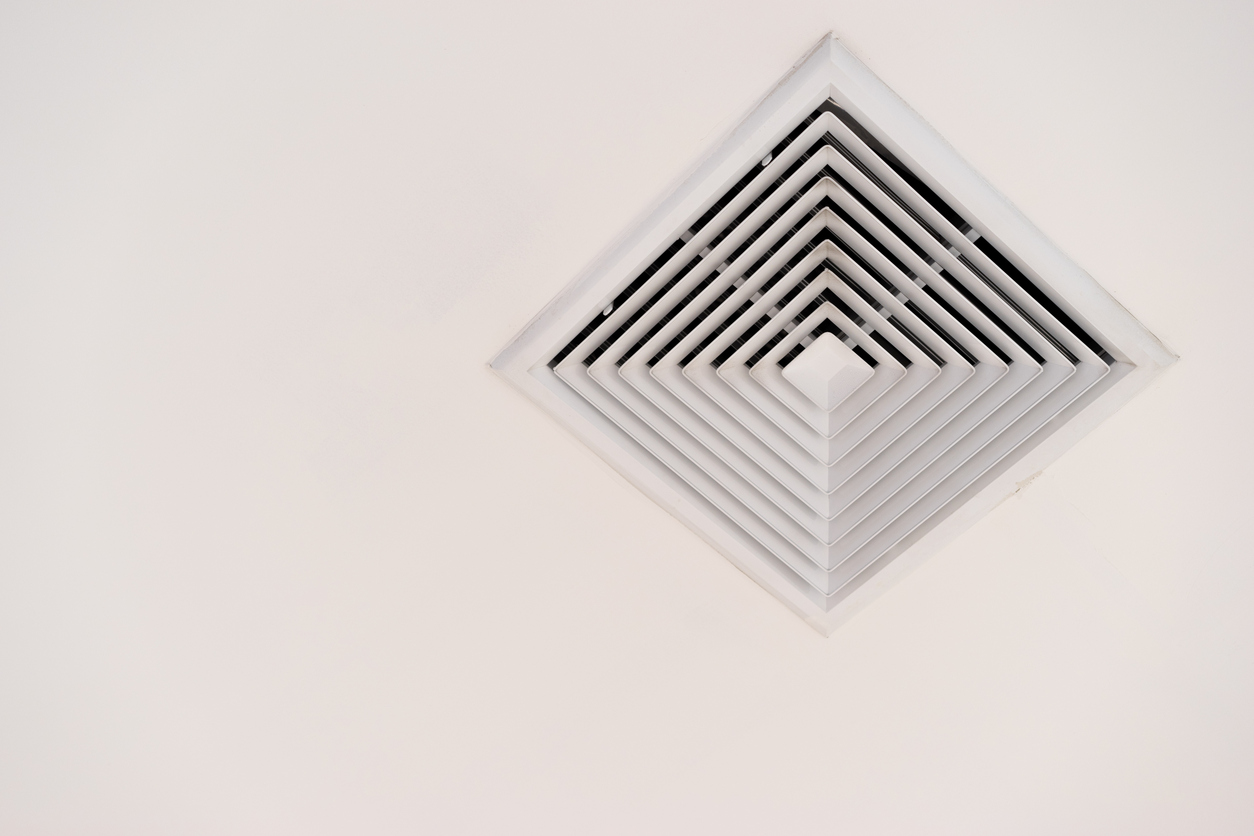
- The ventilation system must be continuous 24 hours a day, providing the precise air flow. The incorporation of a heat exchanger into the ventilation system enhances the energy efficiency of the entire house by reducing heat losses in winter caused by the input of outside air during the ventilation process.
Based on the European legislation on energy efficiency in buildings from May 19, 2010, homes must adapt by 2020 to a series of technical parameters listed below:
- Heating energy consumption: 15 wh/(m2.a)
- Air renewal rate: 0.6 l/h
- Thermal transmittance (U) of the envelope: 0.15 w/(m2.K)
- Thermal transmittance of windows: 0.8 w/(m2·k)
- Primary energy consumption: 120 Kwh/(m2.a)
- Thermal load: 10 w/m2


Siber Ventilation
Related posts