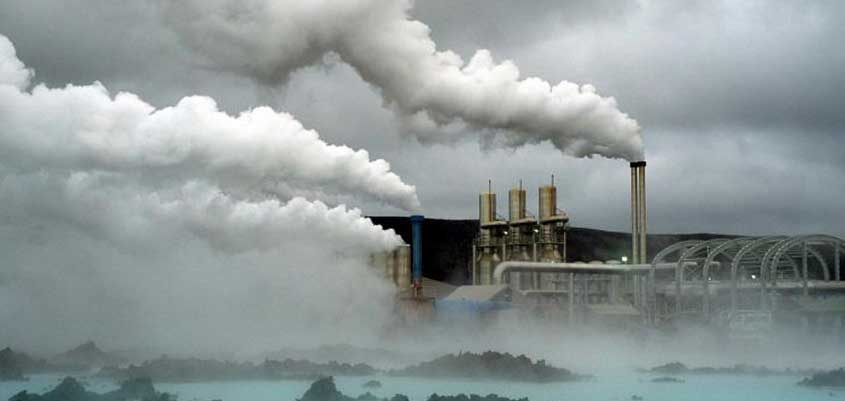
What are anthropogenic pollutants?
Air pollution is one of the greatest concerns for environmental organizations. Since we became aware of the harmful effects of the depletion of the ozone layer and know the main air pollutants, humans have been trying to find ways to be more respectful of the environment and fight against air and planet pollution. And how do we refer to the harmful effects of our activity on the environment? Anthropogenic pollutants. These are those produced by humans through our activities.
The most notable ones are those that come directly from the industrial sector. It is in manufacturing and the production of what we need where we generate the most waste. Some of them are truly harmful, such as toxic metals.
 We can divide anthropogenic pollution into two main categories based on its origin.
- Controlled anthropogenic emission. This occurs in a controlled and planned environment. It must be supervised by qualified personnel and comply with the laws and regulations of the country in which it takes place. An example is the emission of gases in an industry during the production process.
- Accidental anthropogenic emission. This relates to unplanned and out-of-control situations. It can range from a small spill resulting from a breakdown in a land-based warehouse to major natural disasters such as sunken oil tankers or leaks in nuclear power plants.
Types of anthropogenic pollutants
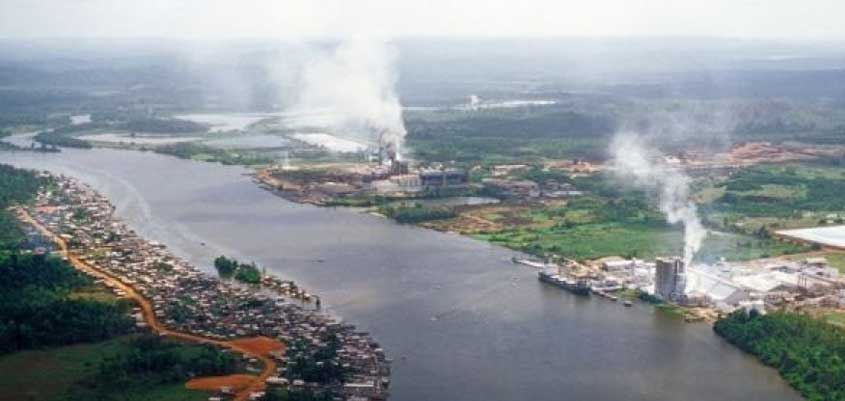
The anthropogenic pollutants are created in activities ranging from craftsmanship or domestic work to mining or manufacturing. Their emission occurs mainly in:
- The industrial sector. It is considered that the manufacturing economy is the one that can produce the most anthropogenic pollution. At the very least, some of the most dangerous waste, such as toxic metals, tends to be generated in industrial settings. Gas and dust escapes into the atmosphere from the industrial sector worsen global warming, and the industry is responsible for a significant amount of air and water pollution.
- Energy production. Another major source of anthropogenic pollutants is the generation of supplies and energy. While renewable energies and energy efficiency significantly help reduce pollution, energy demand is enormous and generates considerable waste.
- Human activity. Our daily life also produces this type of pollutants, which are also called “human activity pollutants.” Organic waste and emissions from cars and trucks are included. Sewage and everything related to our cities contribute to the emission of anthropogenic pollutants.
- Agricultural and livestock work. Fertilizers, as well as organic waste produced by the animals and plants we grow, are also part of these pollutants.
- Waste disposal. Burning, destroying, or disposing of the waste we produce also generates a lot of pollution and anthropogenic contamination. In any case, concern for the environment has reduced this harm, and recycling helps curb waste creation.
A clear example was investing in unleaded gasoline. This type of gasoline decreases the emission of lead and SO2, whose main source is carbon combustion. Nowadays, hybrid cars and the push for electric vehicles are actions aimed at reducing this type of pollution.
In agriculture, the use of fertilizers and pesticides has been reduced to avoid the harmful effects of these chemicals on the environment. Research has found other ways to forgo these controlled poisons in several cases.
In cities, most European countries have implemented measures to limit the damage from landfills and river pollution. Recycling, selective collection, and resource utilization have also greatly helped to reduce the volume of anthropogenic pollutants produced by human activity.


Siber Ventilation
Related posts

Types of industrial extractors. Specific uses and characteristics
Industrial air extractor. Ventilation systems in this sector